


 | Today's Date:

National Guard Assists Midterm Elections in Seven States, From Ballot Boxes to Cyber Defence
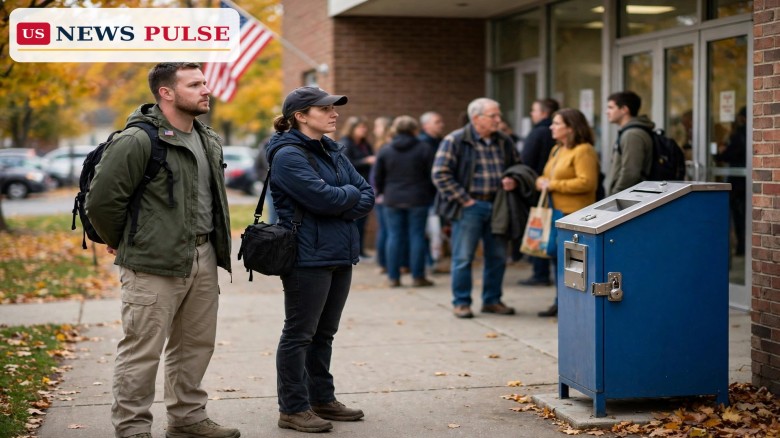
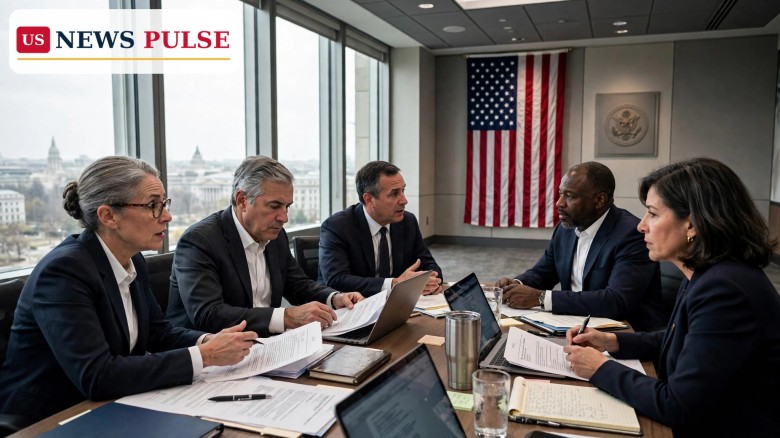
National Guard midterm elections support is in place in at least seven states as Americans vote on Tuesday, November 3, 2026. The roles are split between watching ballot drop boxes and defending election computer systems, and officials describe them as state monitoring missions, not polling-place policing.
Key Points
- At least seven US states have publicly confirmed National Guard involvement in the November 3, 2026 midterm elections.
- In Washington, around 100 Guard members in civilian clothing monitor ballot drop boxes in seven counties under Governor Bob Ferguson's "Election Neighborhood Watch" programme.
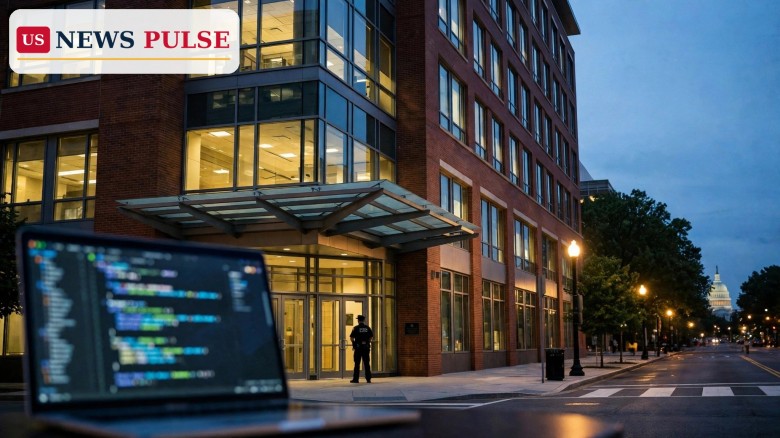
- In Iowa, Colorado and North Carolina, Guardsmen focus on protecting election cyber infrastructure and monitoring election networks.
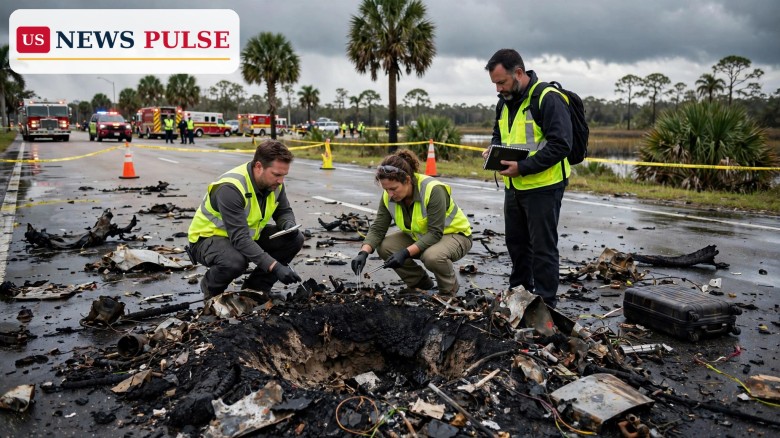
- Alabama and Oklahoma Guard specialists responded in October to suspicious white-powder packages sent to election offices.
- Federal law generally bars armed personnel from election sites except where a polling place is attacked.
What Happened
Reporting by The Hill, based on state confirmations, put the number of states with publicly acknowledged National Guard election roles at seven as voting got under way. The figure reflects only what states have chosen to confirm publicly.
Washington drew the most attention. Governor Bob Ferguson offered counties the "Election Neighborhood Watch" programme, seven counties accepted, and around 100 Guard members were expected to take part. They wear civilian clothing and monitor ballot drop boxes.
Ferguson cited precautionary reasons, including the 2024 arson attack on a ballot drop box in Vancouver, Washington, which damaged several hundred ballots, and reports of white-powder letters sent to the secretary of state's office and to members of Congress.
Elsewhere the work is largely invisible. North Carolina's Joint Cybersecurity Task Force monitors election networks with the state Emergency Operations Center. Colorado Governor Jared Polis ordered Guard cyber-protection assistance in June. In Iowa, Guardsmen work with Secretary of State Paul Pate to identify cyber threats. Alabama and Oklahoma specialists were involved in October after suspicious packages reached election offices.
Background and Context
Guard election support is not new, and it has grown more common: at least 14 states used Guardsmen in election-related roles in 2022 and 15 in 2024. In most of these missions, Guard units answer to their state governor, not to the federal government.
That chain of command sets the legal boundaries. Federal law generally does not allow armed personnel to be stationed where an election is held, except where a polling location is attacked. State officials therefore stress that the current missions are support roles: watching drop boxes in civilian clothing, defending networks from an operations centre, or responding to a hazardous package. As described, none involves Guard members deciding who may vote or handling ballots.
National Guard Midterm Elections: What the Deployments Actually Do
The phrase "National Guard midterm elections" covers three different jobs. The first is physical observation: in Washington, plainclothes Guard members monitor ballot drop boxes in seven counties, adding extra eyes where ballots are collected and where one arson attack previously destroyed hundreds of votes.
The second is cyber defence. In Iowa, Colorado and North Carolina, specialists monitor election networks, look for intrusions and coordinate with state emergency and election officials. This work happens in operations centres, far from polling places, and it is the largest part of the Guard's election role in most states. Because US elections are run county by county, state cyber teams act as a backstop for local officials who may lack deep technical staff.
The third is specialist response, shown by Alabama and Oklahoma in October, when Guard specialists were called after suspicious white-powder packages reached election offices. It is civil-support work the Guard has long performed for hazardous materials and public safety, applied here to the election system.
Reactions and Quotes
Ferguson has framed Washington's programme as a precaution, pointing to the Vancouver ballot-box arson and threatening mail to election offices. State officials stress that the Guard members involved wear civilian clothing and monitor drop boxes; they are not armed guards at polling places.
Public opinion research cited in the reporting shows the sensitivity. A Democracy and Security Network poll by the German Marshall Fund of the United States, involving 2,800 Americans, found that 59 percent believe the president should not use federal troops to oversee or administer elections. Researcher Lauren Voss said military personnel near polling stations could heighten concerns about federal interference, a warning that bites hardest when a deployment looks federal rather than a state support mission.
Pentagon leaders have said they have no plans to involve federal troops in administering elections.
Why It Matters
These deployments touch public trust, itself an election-security issue. A watched ballot box, a monitored network and a quickly handled suspicious package can prevent real harm. But a military presence read as intimidation can also do harm, even if no voter is turned away, by discouraging participation or feeding claims that an election was not free.
They also show how election administration has changed: cyber threats, threatening mail and physical attacks are now part of major-election planning, and clear public explanations of what Guard members do, and do not do, are part of the security plan.
What Happens Next
On Election Day, the test is whether the deployments pass without incident: drop boxes monitored without confrontation, networks defended without a successful intrusion, and no repeat of October's threatening-mail episodes. Officials will also watch turnout and any reports of voters feeling deterred.
After the polls close, attention shifts to counting and certification, where Guard cyber teams may remain involved until results are final. Expect fuller state accounts of each mission, its staffing and cost, and expect the poll findings to feature in arguments about repeating such deployments in 2028. For voters, the practical message is unchanged: these missions do not change where, when or how an individual votes, and county election offices remain the authority on local arrangements.
Frequently Asked Questions
How many states have National Guard election roles in 2026?
At least seven states have publicly confirmed Guard involvement in the November 3, 2026 midterms, according to The Hill. That reflects public confirmations, not every Guard support activity.
Are Guard members policing polling places?
No, as described by the states. The missions are monitoring and cyber protection. In Washington, members in civilian clothing monitor drop boxes, and federal law generally bars armed personnel from election sites except where a polling place is attacked.
Which states are doing what?
Washington monitors drop boxes in seven counties with around 100 members. Iowa, Colorado and North Carolina focus on cyber protection. Alabama and Oklahoma specialists answered white-powder package incidents in October; a possible Arizona role was reported without a format.
Who orders these deployments?
State governors order their own state's Guard, which is why roles differ: each governor decides what support, if any, the state's Guard gives election officials.
Does the Guard handle ballots or decide who can vote?
No. The reported missions monitor drop boxes, defend networks and answer specialist incidents. County election officials remain responsible for ballots, eligibility and local voting arrangements.
Related coverage: US midterm elections 2026; Supreme Court rejects California ballot bid; Texas Senate race hits $573 million.
Sources: The Hill via UA.News. Image: original illustration for US News Pulse.
Leave a Comment