


 | Today's Date:



Iran Executes Three Men Over January Protests, Accusing Them of Aiding Israel and US
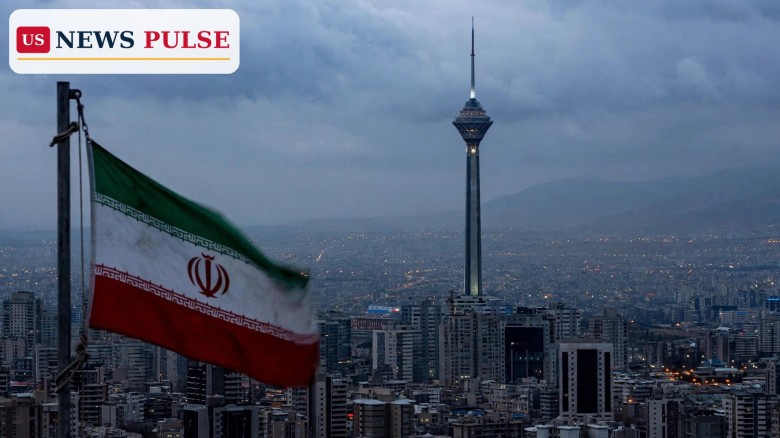
Iran executed three men on Sunday, November 8, 2026, over the anti-government protests of January 2026, accusing them of carrying out operations for Israel and the United States. Hassan Dioband, Hamid Kazemi and Reza Zanganeh were hanged in Karaj, in Alborz province, after Iran's Supreme Court upheld their death sentences, state media and the judiciary's Mizan news agency reported. It is the latest in a series of executions tied to the January protests, and the Iran executes three men case brings the rights groups' count to at least 36 protesters put to death.
Key Points
- Iran executed Hassan Dioband, Hamid Kazemi and Reza Zanganeh on Sunday, November 8, 2026, in Karaj, after the Supreme Court upheld their death sentences.
- The judiciary said the men were convicted of carrying out operations for Israel and the United States during the January 2026 protests.
- Prosecutors said they used firearms, grenades and Molotov cocktails, set fire to public facilities and damaged a Karaj substation on January 8-9.
- The hangings bring to five the number of protesters executed in less than a week; at least 36 have now been put to death, says Oslo-based Iran Human Rights.
- Dioband was arrested on January 11; ten others accused of acting under his supervision were later jailed for five to ten years.
What Happened
The executions were carried out on Sunday morning in Karaj, a city west of Tehran. State media and Mizan, the judiciary's news agency, reported that the three men were hanged after the Supreme Court confirmed the sentences. The judiciary said they had been found guilty of carrying out operations for Israel and the United States and of taking part in armed unrest during the January 2026 protests.
The judiciary said the men used firearms, grenades and Molotov cocktails during the unrest on January 8 and 9, set fire to public facilities and damaged an electricity substation in Karaj, causing power outages in parts of the city. The courts also ordered their assets confiscated. Dioband, also spelled Divband, was arrested on January 11, after investigators named him as a suspect in attacks on public property and incitement to violence.
Background: The January Protests and the Crackdown
The protests erupted on December 28, 2025, and peaked on January 8 and 9, 2026, when demonstrators took to the streets across Iran in the largest anti-government uprising the country had seen in years. It began over economic hardship and widened into a broad challenge to the Islamic Republic, with crowds demanding political change.
The crackdown was severe: thousands were killed as security forces moved to crush the protests, rights groups said, and tens of thousands more were arrested. The government blamed the unrest on foreign enemies, saying the United States and Israel had fuelled the demonstrations — a claim that has become central to the prosecutions that followed. Iran has carried out executions linked to the protests for months, and Sunday's hangings are the latest in that series.
Iran Executes Three Men: What the Judiciary Said
The judiciary's account, carried by Mizan and state media, presents the three men as armed operatives rather than protesters. It said they acted for Israel and the United States, used firearms, grenades and Molotov cocktails, burned public facilities and knocked out a Karaj electricity substation, leaving parts of the city without power.
The Supreme Court's decision to uphold the death sentences removed the last legal barrier to the executions. Human rights groups dispute the framing. Iran Human Rights, which tracks executions in the country, said at least 36 protesters have now been executed over the January protests, and warned the trials fall far short of fair-trial standards, with defendants often denied lawyers of their choice and convictions resting on confessions it says were extracted under pressure.
Reactions: Rights Groups Count the Toll
There was no immediate public comment from Israel or the United States. State media carried the judiciary's announcement as fact, with no mention of any appeal or clemency beyond the Supreme Court's confirmation.
Rights monitors outside Iran have been raising the alarm about the pace of protest-related executions for weeks. Iran Human Rights said the three hangings bring to five the number of protesters put to death in less than a week, a rate the group says shows the authorities are using executions to intimidate anyone who took part in the January uprising. The United Nations and Western governments have repeatedly condemned Iran's use of the death penalty against protesters, without slowing the executions.
Why It Matters
The executions show Iran's crackdown on the January protests is not over. Ten months after the unrest peaked, the state is still hanging people for their part in it. For the families of the thousands arrested in January, the hangings warn that the prosecutions are continuing.
The charges — carrying out operations for Israel and the United States — also show how the authorities frame the protests as a foreign plot rather than a domestic uprising, to justify the harshest punishments. The timing also matters: the hangings come while the US and Iran are in contact about a possible deal, with Vice President JD Vance saying this week that Washington has made progress in the talks. The US-Iran war, which began on February 28, 2026, is now in its ninth month.
What Happens Next
More protest-related death sentences are working through the Iranian courts, and rights groups expect further executions in the coming weeks unless international pressure or a change of course in Tehran intervenes. Monitors will be watching for new confirmations by the Supreme Court, the final step before an execution is carried out.
The ten others sentenced to prison in the same case remain in custody, serving five to ten years. The families of Dioband, Kazemi and Zanganeh are left with the judiciary's announcement and the confiscation of the men's assets.
Frequently Asked Questions
Who were the three men executed in Iran on November 8, 2026?
Hassan Dioband (also spelled Divband), Hamid Kazemi and Reza Zanganeh, hanged in Karaj, Alborz province, after the Supreme Court upheld their death sentences.
What were they accused of?
The judiciary said they carried out operations for Israel and the United States and took part in armed unrest in the January 2026 protests, using firearms, grenades and Molotov cocktails and damaging a Karaj substation.
How many protesters have been executed over the January protests?
At least 36, according to Oslo-based Iran Human Rights. The three hangings bring to five the number of protesters put to death in less than a week.
When did the January protests happen?
They erupted on December 28, 2025, and peaked on January 8-9, 2026. The crackdown killed thousands, according to human rights groups.
What happened to the others arrested in the case?
Ten others accused of acting under Dioband's supervision were jailed for five to ten years. The three executed men also had their assets confiscated.
Read more on US News Pulse: Vance: US-Iran talks making progress, no deadline set, US strikes Iran's Qeshm Island in secret raids, WSJ reports, and Explosions heard along Iran's Hormuz coast.
Leave a Comment