

 | Today's Date:



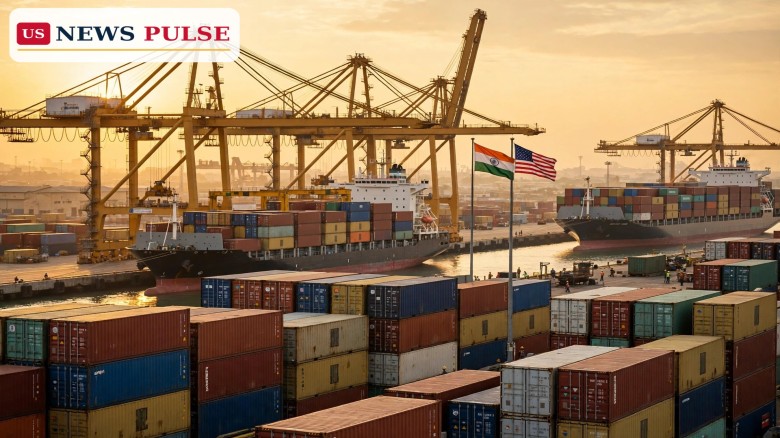

US Disables Bulk Carrier Pacific Archer in Gulf of Oman After It Tries to Run Iran Blockade
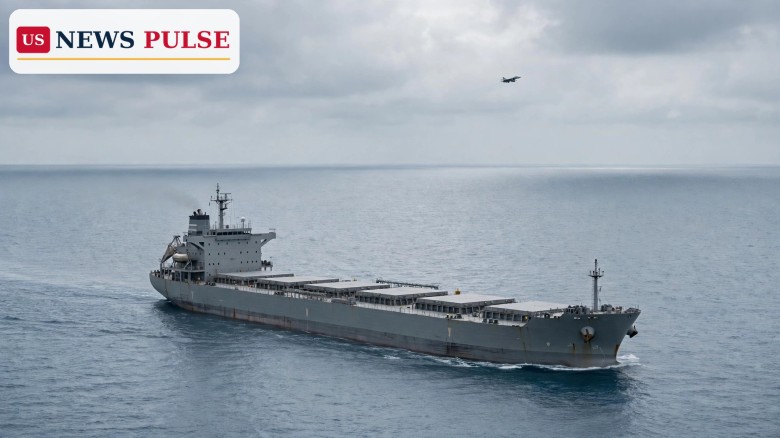
United States Central Command said on Friday that a United States military aircraft struck the Palau-flagged bulk carrier M/V Pacific Archer in the Gulf of Oman on Thursday, disabling its propulsion after it left the Iranian port of Bandar Abbas and tried to run the American naval blockade despite multiple warnings. The precision munitions hit the vessel's stern, and the civilian crew was unharmed. The Pacific Archer is the sixth ship American forces have disabled since the blockade resumed this summer; Tehran immediately vowed to break the embargo.
Key Points
- A United States military aircraft struck the stern of the Palau-flagged bulk carrier M/V Pacific Archer in the Gulf of Oman on Thursday, November 26.
- The ship had left Bandar Abbas, Iran, and tried to run the naval blockade despite multiple warnings, CENTCOM said.
- The civilian crew was unharmed; ship trackers listed Singapore as the destination, and CENTCOM released a brief video.
- United States forces have redirected 158 compliant vessels and disabled six that refused to comply.
- Iran vowed to break the embargo: an adviser to the Supreme Leader said the Strait of Hormuz would not reopen and the blockade would not stand.
What Happened
Central Command announced the strike on Friday, November 27, 2026, one day after it happened. A United States military aircraft launched precision munitions that struck the stern of the M/V Pacific Archer in the Gulf of Oman, disabling its propulsion. The vessel had departed Bandar Abbas, the Iranian port city, and was attempting to leave the region in defiance of the United States naval blockade of Iranian ports.
CENTCOM said the ship was given multiple warnings before the strike and pressed on anyway. The munitions were aimed at the stern, the part of the ship that houses its propulsion, aiming to disable the vessel without sinking it or harming the people aboard. Ship-tracking sites listed the vessel's destination as Singapore, a common routing for ships leaving the Gulf for Asia.
Background: A Blockade Enforced Ship by Ship
The United States reimposed its naval blockade on Iranian ports in July; the Pacific Archer is the sixth vessel American forces have disabled for refusing to comply since then. On November 7, United States forces disabled the St. Kitts-flagged cargo ship M/V Huda in the same waters after its crew repeatedly ignored warnings, in what was then the fifth such disablement. Ten days later, the LPG tanker Tara Gas was struck twice off Oman, forcing its crew to abandon ship, with one seafarer missing. See our report on the United States disabling the cargo ship M/V Huda in the Gulf of Oman and the second strike on the tanker Tara Gas off Oman.
The blockade is part of a war that began on February 28, 2026 and is now in its ninth month. Earlier this month Washington announced Task Force Iron Gate, a new effort to restrict weapons and sanctioned materials moving across Iran's land borders and the Caspian Sea. United States officials say the blockade has blocked more than 25 billion dollars in Iranian crude exports; five Iranian tankers were destroyed on November 4. Navy Secretary Hung Cao recently put the cost of the Iran war at 32.5 million dollars a day. See our report on the Hung Cao hearing on the cost of the Iran war.
Pacific Archer: The Sixth Ship Disabled Since the Summer
The Pacific Archer matters because of where it sits in the sequence. Six disabled ships, against 158 compliant vessels redirected without incident, is the record CENTCOM cites for a blockade that works mainly through compliance, only occasionally through force. Each disablement warns the next captain weighing a blockade run: the warnings are real, the munitions are precise, and the outcome is a ship dead in the water, not a sunken wreck.
The choice of target also matters. The Pacific Archer is a bulk carrier, not an oil tanker, which shows the blockade reaching beyond crude shipments into general commercial traffic leaving Iranian ports. Its Palau flag and Singapore destination show the net catches vessels of many registries and routings, not only Iranian-flagged ships.
Reactions
Tehran's response was defiant and immediate. Mohammad Mokhber, an adviser to Iran's Supreme Leader Ayatollah Mojtaba Khamenei, said: "Neither will the Strait of Hormuz be reopened, nor will we allow the blockade to remain in place." It was a vow to break the embargo, and senior Iranian officials threatened military action in the air and at sea, raising the prospect of direct confrontation over a waterway carrying a large share of the world's seaborne oil.
That is the standoff that has defined the blockade since the summer. Washington presents the enforcement as lawful pressure on a sanctioned state, carried out with warnings and care for civilian crews. Tehran presents it as an act of war against its commerce and has now promised to end it by force if necessary.
Why It Matters
The strike matters first because of where it happened. The Gulf of Oman and the Strait of Hormuz are among the world's most strategically sensitive stretches of water, and every enforcement action there carries the risk of escalation. Iran has now threatened military action in the air and at sea, and a miscalculation could turn an enforcement strike into a wider clash.
It matters second because the blockade is working as an economic weapon. More than 25 billion dollars in Iranian crude has been blocked, the flow of sanctioned materials is being squeezed on land as well as at sea through Task Force Iron Gate, and the steady disablements show Washington will keep enforcing it ship by ship.
What Happens Next
The immediate question is what happens to the Pacific Archer: whether it is towed, repaired, or held where it lies, and whether its owners or Palau lodge any protest. The larger question is whether Iran follows through on its threat to break the embargo. Any Iranian attempt to force the Strait of Hormuz open, or to strike back at American forces, would mark a sharp escalation in a war already in its ninth month.
The count of redirected and disabled ships is the blockade's public scoreboard; the next update will show whether the Pacific Archer was an isolated test or the start of a new wave.
Frequently Asked Questions
What is the Pacific Archer?
The M/V Pacific Archer is a Palau-flagged bulk carrier that departed the Iranian port of Bandar Abbas and was struck by United States forces in the Gulf of Oman on Thursday, November 26, after trying to run the American blockade.
What happened to the ship and its crew?
Precision munitions struck the vessel's stern, disabling its propulsion. The civilian crew was unharmed, CENTCOM said.
How many ships has the United States disabled in the blockade?
Six, according to CENTCOM, which says 158 compliant vessels were redirected and six disabled.
What did Iran say?
Mohammad Mokhber, an adviser to the Supreme Leader, said the Strait of Hormuz would not reopen and the blockade would not stand. Senior Iranian officials threatened military action in the air and at sea.
Where was the ship headed?
Ship-tracking sites listed the vessel's destination as Singapore.

The US News Pulse newsroom covers breaking news across the United States and the world, working from wire services, official statements and on-the-record sources. Every story is reviewed against our editorial standards before publication. Corrections and tips: info@usnewspulse.com
About our newsroomLeave a Comment