
Iran Strikes on US Bases: AP Finds Methodical Campaign, 115 Attacks, Billions Lost
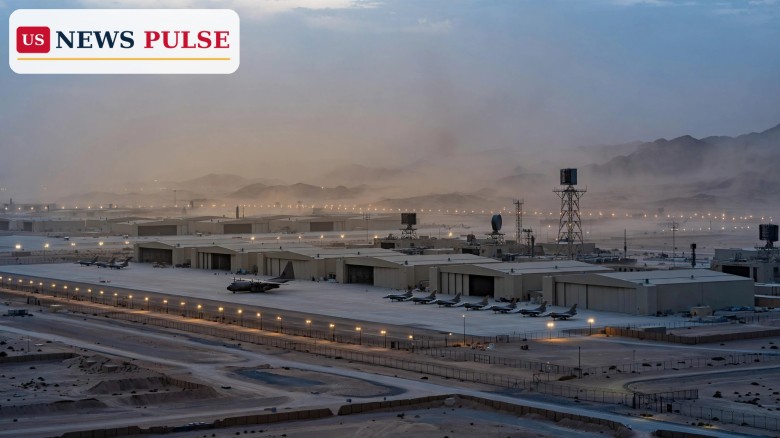
Iran strikes on US bases across the Middle East followed a deliberate pattern, according to a major Associated Press investigation published on October 31, 2026: first the systems built to detect incoming attacks, then the aircraft, hangars and buildings behind them. The AP says it independently verified damage from more than 115 drone and missile strikes claimed by Iran or Iranian-backed militias, strikes that damaged or destroyed structures at 26 American military bases and other sites holding US equipment through August 2026, at a cost running into billions of dollars.
The findings land eight months into a war in which Washington has disclosed little about the toll on its own forces, and at a moment when diplomacy and military pressure are running in parallel. They do not, the AP stresses, show that American military infrastructure across the region has been crippled. What they show is extensive physical damage, and a significant reshaping of the US military footprint in the Gulf.
Key Points
- More than 115 drone and missile strikes claimed by Iran or Iranian-backed militias damaged or destroyed structures at 26 US bases and sites through August 2026, the AP found.
- Iran strikes on US bases began with early-warning radars and aircraft hangars, clearing the way for later strikes on warehouses, troop housing, fuel and communications.
- Equipment losses run into billions of dollars, including a radar in Jordan the AP says is one of only 13 such systems in the US Army inventory, at about $500 million each.
- Hundreds of buildings and structures were damaged or destroyed between April 1 and June 30, 2026 alone, according to the AP analysis of satellite imagery.
- Two regional officials told the AP the US has moved substantial assets out of the Persian Gulf, including aircraft, air-defence systems and communications gear.
What Happened
The Associated Press investigation, published on October 31, 2026, is built on satellite imagery from multiple providers, including OneAtlas, a service owned by Airbus, and on interviews with four regional officials briefed on the damage or with firsthand knowledge of what was hit. The AP compared imagery over time to verify damage it says goes beyond what has appeared in independent reviews, including a review by the Pentagon inspector general.
The headline numbers are stark. Through August, more than 115 strikes claimed by Iran or Iranian-backed militias damaged or destroyed structures at 26 military bases and other sites with American equipment. From April 1 to June 30, the AP found hundreds of buildings and other structures damaged and destroyed on US bases. A Congressional Research Service report updated in October identified 15 American aircraft damaged at regional bases.
The method, as the AP describes it, was sequential. Iran first concentrated on aircraft hangars and the systems that detect incoming strikes, including early-warning radars. Only after those defences were degraded did the campaign broaden to warehouses, troop housing, communications equipment, fuel infrastructure and aircraft themselves. N.R. Jenzen-Jones, director of the technical intelligence consultancy Armament Research Services, told the AP the attacks appeared designed to weaken the ability of American and allied forces to respond to subsequent strikes.
Background and Context
The war between the United States, Israel and Iran has now lasted about eight months, and the AP investigation is the fullest public accounting yet of what it has cost the American military presence in the region. The Trump administration and the US military have provided few details about the toll on people and equipment, the AP reports, and measures have at times impeded outside review, including delays in the release of commercial satellite imagery. Major providers with US contracts have blocked or delayed public release of imagery at the request of American officials, who sometimes cited national security. That left the AP relying in part on OneAtlas imagery to complete its assessment.
The individual base findings give the campaign its shape. At Camp Buehring in Kuwait, one of the hardest-hit facilities, the AP found more than 30 structures damaged or destroyed between March and August. At Ali Al Salem Air Base in Kuwait, at least 15 hangars were damaged. At Al Dhafra Air Base, about 20 miles south of Abu Dhabi, repeated attacks early in the conflict damaged aircraft hangars, other infrastructure and equipment, including an early-warning radar and surveillance drones.
Among the most consequential single losses, the AP reports, was a radar in Jordan reported destroyed. According to the manufacturer Raytheon, the US Army possesses only 13 of these specialised systems worldwide, with budget documents indicating each costs approximately $500 million. Damage elsewhere included refuelling aircraft and an E-3 surveillance plane, according to reporting on the investigation.
Iran Strikes on US Bases: The Pattern the Satellites Reveal
The sequencing is the investigation's central insight. Early-warning systems are the eyes of any air-defence network: blind them, and later waves arrive with less warning and meet less resistance. The AP found that pattern repeated across the region, with hangars and detection systems hit first, followed by strikes on the softer infrastructure behind them, from warehouses to troop accommodation.
That pattern also explains the second-order effect the AP documents: movement. Two regional officials told the AP that Washington has moved substantial military assets out of the Persian Gulf, including aircraft, air-defence systems, communications equipment and other essential infrastructure. The Pentagon told the AP that US forces and bases remain well protected, while US Central Command declined to provide a detailed accounting of the damage, usually citing operational security.
Readers should keep the investigation's own limits in view. The AP did not conclude that Iranian attacks crippled US military infrastructure across the region. Its findings show extensive damage and a significant reshaping of the footprint, not a collapse. The strikes counted are those claimed by Iran or Iranian-backed militias and verified against imagery; the AP's count runs through August, so it does not capture the most recent months of the war.
Reactions and Quotes
The Pentagon's response, as reported by the AP, was that US forces and bases remain well protected. US Central Command declined to give a detailed accounting of the damage. That reticence is itself part of the story the AP tells: with no comprehensive public accounting from the military, satellite analysis and official interviews provide, in the AP's words, the only overall snapshot of the campaign's effect.
Regional officials speaking to the AP described a US posture that has shifted rather than stood still, with assets pulled back from the most exposed Gulf positions. The consultancy assessment quoted by the AP, from Armament Research Services director N.R. Jenzen-Jones, frames the Iranian approach as a deliberate effort to degrade response capacity before widening the target set.
The investigation also arrives as the diplomatic track continues. Iran's foreign minister has described recent US outreach as a positive step while saying Tehran sees no need yet to meet US officials, and an Iranian delegation remains at work in Doha through Qatari mediators, even as military incidents in the Strait of Hormuz continue to test the fragile space between talks and fighting.
Why It Matters
The AP investigation matters because it replaces impression with measurement. For months, the public debate about the Iran war has run on claims and counterclaims, with little hard evidence about what American bases actually absorbed. A verified count of more than 115 damaging strikes across 26 sites, with billions of dollars in equipment losses, gives that debate a factual floor, and it reframes the question facing Washington: not whether the bases survived, but what it costs to keep them where they are, and what the shifting footprint means for deterrence in the Gulf.
It also matters for the next phase of the war. If early-warning systems were the priority targets, then air defence, dispersal and redundancy, not just firepower, become the decisive investments. And if the US has already moved substantial assets out of the Gulf, as regional officials told the AP, then any renewed American action against Tehran, which reporting says President Donald Trump is considering, would be launched from a different posture than the one the war began with.
What Happens Next
Three things are worth watching. First, whether the Pentagon or Central Command offers any fuller accounting in response to the AP findings, or maintains its policy of declining detailed comment. Second, whether the diplomatic opening in Doha produces a meeting or a proposal concrete enough to pause the cycle of strikes, or whether the military track hardens further. Third, whether satellite evidence from the months since August, when it becomes available, shows the campaign continuing at the same tempo or easing as talks progress.
For now, the AP's satellite record stands as the clearest public measure of an eight-month campaign: methodical at the start, broadening as defences thinned, and expensive in ways that are only now coming into view.
Frequently Asked Questions
How many US bases did Iran strikes damage, according to the AP?
More than 115 drone and missile strikes claimed by Iran or Iranian-backed militias damaged or destroyed structures at 26 US bases and other sites with American equipment through August 2026.
What did Iran target first?
Early-warning radars and aircraft hangars, according to the AP, before broadening to warehouses, troop housing, communications, fuel infrastructure and aircraft.
How much damage was caused?
Billions of dollars in equipment damage, including a radar in Jordan reported destroyed that the AP says is one of only 13 such systems in the US Army inventory, costing about $500 million each.
Did the AP say US forces were crippled?
No. The AP explicitly did not conclude that Iranian attacks crippled US military infrastructure; it found extensive damage and a significant reshaping of the US footprint in the region.
Why is this the first full picture?
Because Washington has released little detail, and commercial satellite imagery was at times blocked or delayed; the AP used imagery from multiple providers, including OneAtlas, plus interviews with four regional officials.
Related coverage: Iran-US talks: Araghchi calls US outreach a positive step as Doha delegation works, US says Strait of Hormuz routes cleared of mines as Oman rescues 25 sailors, and Trump sends a third aircraft carrier towards Iran and says the war will end soon.
© 2026 US News Pulse. All rights reserved.
 Print
 Save