
Judge Chutkan Blocks Trump Noncitizen Voting Pressure Before 2026 Midterms
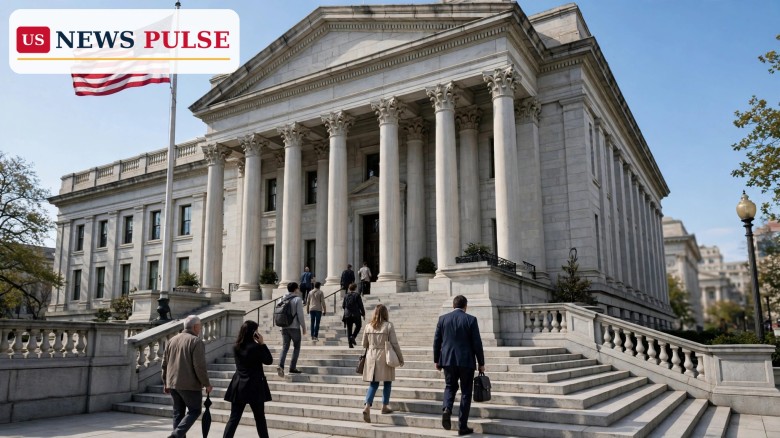
A federal judge on Monday, November 2, 2026, temporarily barred the Trump administration from pressing states over alleged noncitizen voting, handing the White House another election-eve legal setback just hours before Americans voted in the 2026 midterm elections. United States District Judge Tanya Chutkan blocked the Justice Department and the Department of Homeland Security from sending states lists of registered voters the administration says may not be citizens, and from asking election officials to separate those voters' ballots or withhold them until citizenship is proved.
Key Points
- Judge Tanya Chutkan temporarily barred the Justice Department and Homeland Security from sending states lists of voters the administration says may not be citizens.
- The order also bars officials from asking states to separate those ballots or not count them until citizenship is proved.
- Chutkan said the administration's data may not be reliable, creating a risk that lawfully registered voters could be disenfranchised.
- The ruling follows a month-long pressure campaign in which the administration wrote to California and Washington state over alleged noncitizen voting.
- Noncitizen voting is illegal, and all available evidence shows it is exceedingly rare, Reuters reported.
What Happened
Chutkan, a Washington, DC-based judge appointed by former Democratic President Barack Obama, issued the temporary order on Monday. It stops the federal government, for now, from moving ahead with a plan it says would prevent noncitizen voting but that critics say risks disenfranchising eligible voters and intruding on states' authority over elections.
The practical effect is straightforward. States cannot, under the order, be sent new federal lists of supposedly suspect voters, nor can they be asked to pull those voters' ballots aside or leave them uncounted while citizenship is checked. The order does not decide the full case. It preserves the position as it stood before the administration's recent demands while the legal challenge proceeds.
Voting rights and privacy advocates had asked Chutkan to intervene. They alleged the administration was violating the Privacy Act of 1974, which restricts the federal government's ability to disclose sensitive private information. The administration disputes that reading of the law.
Background: The Pressure Campaign on States
Over the past month, the Trump administration stepped up pressure on election officials over alleged noncitizen voting. It sent letters to officials in California and Washington state demanding they not count ballots from people on lists of voters the administration said may not be citizens.
President Donald Trump has long accused states, which are responsible for administering elections, of facilitating noncitizen voting. Reuters noted that Trump falsely asserts his loss in the 2020 presidential election was due to fraud. No evidence has established widespread noncitizen voting, and researchers and election officials have repeatedly found it to be exceedingly rare.
The courts have pushed back repeatedly in recent days. Earlier in the week, a federal judge in Los Angeles rejected the Justice Department's request to order California to temporarily set aside mailed ballots from more than 20,000 registered voters it said were likely not citizens. On Friday, a federal judge in San Francisco ordered the Justice Department to stop threatening to prosecute state and local election officials who do not comply with the administration's demands. An appeals court also rejected, on Friday, the department's request for an emergency order pending appeal.
Judge Chutkan Blocks Noncitizen Voting Pressure
Chutkan's order is the latest in that series of setbacks, and it matters because it addresses the mechanism behind the campaign, not just one state's ballots. By barring the lists themselves and the accompanying demands, it limits the administration's ability to repeat the California and Washington approach in other states in the final hours before polling day.
The judge's concern about reliability goes to the heart of the dispute. If a list wrongly includes citizens, asking officials to separate or hold their ballots could delay or deny lawful votes. Chutkan found that risk sufficient to justify a temporary block while the courts examine whether the federal action complies with privacy law and the limits on federal power over state-run elections.
The ruling also arrived alongside a separate Supreme Court decision on Monday rejecting the administration's emergency bid to force California to set aside the more than 20,000 disputed mail ballots. Together, the two rulings left the administration without the immediate court orders it had sought on the eve of the midterms.
Reactions and Quotes
The Justice Department argued in a court filing on Saturday that its letters to California and Washington were part of an effort to enforce a federal law banning noncitizen voting. It said the letters did not amount to a distinct policy subject to review by a federal court.
The plaintiffs took the opposite view, arguing that sending voter lists and demanding that ballots be separated or withheld was a federal policy that could be challenged, and that it risked exposing sensitive personal information in breach of the Privacy Act. Chutkan's temporary order accepts, at this preliminary stage, that the challengers' concerns warrant protection while the case is heard.
Why It Matters
The ruling matters for voters, for states and for the balance of power over elections. For voters, it reduces the chance that a lawful ballot is set aside on the basis of an unreliable list in the middle of a count. For state officials, it removes the immediate threat of federal demands and prosecution threats that several judges have now criticised.
For the wider election, the timing is significant. The midterms on Tuesday, November 3, decide all 435 seats in the House of Representatives, 35 of the 100 Senate seats and governorships in 36 states. Democrats need only a small net gain in the House and four seats in the Senate to take control of Congress. A dispute over which ballots count, in that context, could have shaped the result and public trust in it.
What Happens Next
The case will continue in the federal courts, where the administration may appeal the temporary order or seek a fuller hearing on the Privacy Act claim. States will continue to run Tuesday's elections under their own procedures, without the federal lists and demands covered by Chutkan's order.
Frequently Asked Questions
What did Judge Chutkan order? She temporarily barred the Justice Department and Homeland Security from sending states lists of voters the administration says may not be citizens, and from asking officials to separate or withhold their ballots.
Does the ruling decide the whole case? No. It is a temporary order that preserves the status quo while the courts consider the challengers' Privacy Act claim and the limits of federal authority.
Is noncitizen voting common? No. Noncitizen voting is illegal, and all available evidence shows it is exceedingly rare.
What had the administration asked states to do? It wrote to California and Washington demanding they not count ballots from people on its lists of alleged noncitizens.
What happens to Tuesday's ballots? States will count them under their own procedures, without the federal lists and demands blocked by the order.
Related coverage: the Supreme Court also rejected the administration's bid to set aside California ballots in the California ballot case, while Americans voted in the 2026 midterm elections and a separate court dismissed the Trump administration's Harvard admissions lawsuit.
© 2026 US News Pulse. All rights reserved.
 Print
 Save