
Brad's Kale Chips Recalled Nationwide Over Possible Thallium Contamination
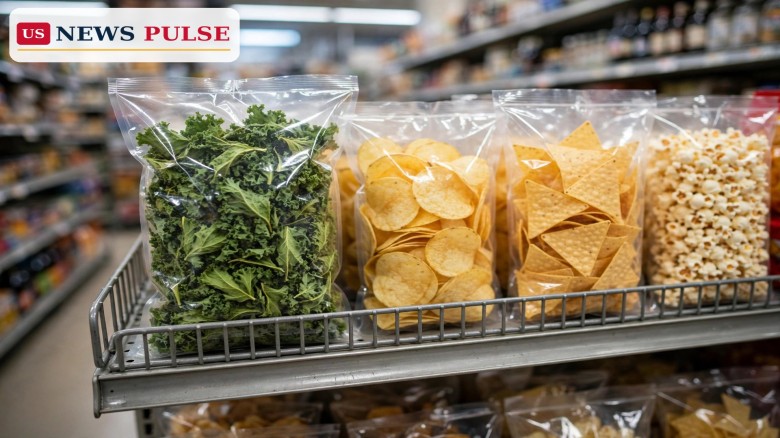
A nationwide recall of Brad's Crunchy Kale chips is under way after testing found the popular raw snack may contain thallium, a toxic heavy metal. The recall, listed on November 3, 2026, covers about 25,000 bags shipped across the United States, and shoppers are told to stop eating the affected bags and throw them away.
The recall comes from Snack Right Super Foods, which sells the chips under the Brad's Raw Chips name. No confirmed illnesses are reported in the notice, but the possible contamination is being treated seriously because thallium can be harmful when swallowed, particularly with repeated exposure.
Key Points
- About 25,000 bags, or roughly 2,097 cases, of Brad's Crunchy Kale and Veggie Chips Kale are recalled.
- Two products are named: Crunchy Kale Original, 2 ounces, and Veggie Chips Kale, 3 ounces, with specific lot codes.
- The bags shipped nationwide between October and December 2025 via distributors KeHE and United Natural Foods, plus five direct sales.
- California's investigation began in January 2026 after a report of elevated thallium; Sacramento-area store samples tested elevated in May 2026.
- Consumers should not eat the recalled bags and should throw them away; no refunds or store returns are offered.
What Happened
The recall appeared in the US Food and Drug Administration's listings on November 3, 2026. It states that Brad's Crunchy Kale and Veggie Chips Kale may contain thallium, and gives the lot codes, pack sizes and best-by dates shoppers need to check. It covers bags distributed across the country, not just in one state, which is why it is described as nationwide.
About 25,000 bags shipped between October and December 2025, mostly through KeHE and United Natural Foods (UNFI), which supply grocery and health-food stores across the United States. That wide distribution matters months later: with best-by dates running into early 2027, some bags may still sit in kitchen cupboards. The notice reports no confirmed illnesses and does not claim every bag in the named lots is contaminated; the recall is precautionary, pulling the lots so no more are eaten while the investigation continues.
Background and Context
Brad's Raw Chips built its name on raw, plant-based snacks, with kale chips among its best-known products. Kale chips are made by seasoning fresh kale leaves and drying them at low temperatures until crisp, rather than frying them. Drying removes water and concentrates whatever minerals were present in the fresh leaves, which is relevant to this recall.
The company has said kale takes up elements from the soil it grows in, and drying concentrates them, rather than manufacturing adding the metal. That points to the raw ingredient and the growing environment, not a factory additive, as the suspected route, though it does not by itself settle where the thallium came from.
Thallium is a naturally occurring toxic metal found in small amounts in soil and rock. At high enough levels it can damage the nervous system and other organs, so health authorities advise against eating food known to be contaminated with it. Anyone who ate a recalled bag and feels unwell should seek medical advice and say what they ate. California's role is central: officials opened the investigation in January 2026, found elevated levels in Sacramento-area store samples in May 2026, and issued a state warning before this nationwide recall.
Brad's Kale Chips Recall: How to Check Your Bag
Check the bag itself, not just the brand name. Only the lots below are covered, so a Brad's product outside these lots is not part of this recall.
The recalled products are Brad's Crunchy Kale Original, 2 ounces, UPC 813104021679, lots 33525-1, 33525-2, 33525-3, 34525-1 and 35125-2; and Brad's Veggie Chips Kale, 3 ounces, UPC 854615002054, lots 33225-3, 33325-2, 33425-1 and 33525-1. Best-by dates run from January 28 to February 17, 2027.
The lot code and best-by date are normally printed on the packaging. If either matches the listing, do not eat the chips, even if the bag is unopened or they look and taste normal, and throw the bag away: heavy-metal contamination cannot be seen, smelled or tasted. No refunds or store returns are offered under this notice.
Reactions and Official Guidance
The official guidance is straightforward: stop eating the recalled bags and discard them. That applies even though no illnesses are confirmed, because a recall exists to remove a possible risk before anyone is harmed.
The timeline shows a slow build, from a single elevated-level report in January 2026 to store testing in May and now a formal nationwide recall. The company's soil explanation, if confirmed, would steer investigators toward the growing and sourcing side of the supply chain, including where the kale was grown and how it was tested before production.
Why It Matters
First, the product is marketed squarely at health-conscious shoppers, who chose kale chips as a better-for-you snack. A contamination finding in that category shakes confidence more than in an ordinary snack, because buyers trusted the health promise.
Second, thallium is an uncommon food contaminant, and its presence raises questions beyond one brand. If leafy greens can pick up enough toxic metal from soil to trigger a recall once dried, growers and manufacturers may need to look harder at soil testing and ingredient screening for dried vegetable snacks.
Third, the long shelf life means the risk does not end at the shop shelf. Bags shipped in late 2025 carry best-by dates into February 2027, so recalled bags could still be in homes months after distribution ended, which is why the advice targets consumers checking their own cupboards.
What Happens Next
The immediate step is removal: retailers should ensure the named lots are off shelves, and consumers should discard matching bags. Shoppers should watch the FDA recall listing for updates, including any expansion of the lot list or new findings about the source.
Investigators will also try to pin down the thallium's origin, testing kale supplies, growing-area soil and finished product from different runs. No such finding has been announced yet.
Frequently Asked Questions
How do I know if my bag is recalled? Compare its UPC and lot code with the listing: Crunchy Kale Original 2 oz (UPC 813104021679) and Veggie Chips Kale 3 oz (UPC 854615002054), in the lots above, best-by January 28 to February 17, 2027.
What should I do with a recalled bag? Do not eat it. Throw it away, as the notice directs. No refunds or store returns are offered.
What is thallium? A toxic heavy metal occurring naturally in soil and rock. Eating contaminated food can be harmful, especially with repeated exposure, and high levels can damage the nervous system.
What if I already ate some? No illnesses are confirmed, but anyone feeling unwell after eating a recalled bag should seek medical advice and mention the product and the thallium concern.
Are other Brad's products affected? Only the two kale products and lots above are named. Others are not included, but shoppers should check the FDA listing for updates.
Read more health coverage on US News Pulse: a global measles study found 15.6 million young children caught measles in 2023, and runner Rachel Apa died after collapsing near the finish of her first New York City Marathon.
© 2026 US News Pulse. All rights reserved.
 Print
 Save