
Midterm Exit Polls 2026: 70% Want Congress to Check Trump as Prices Dominate
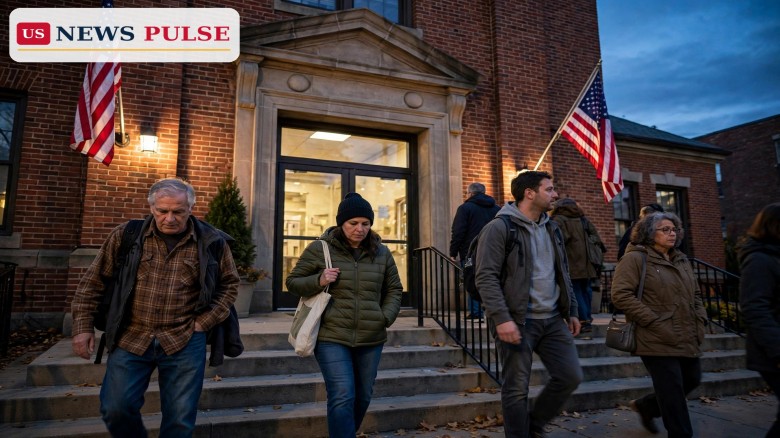
The first midterm exit polls 2026 painted a restless picture of the American electorate on Tuesday evening, November 3, 2026: about 70% of voters said they want Congress to do more to check President Donald Trump, and about 6 in 10 said higher-than-usual prices are more because of his policies than factors outside his control. The early findings, released as the first polls closed at 6 p.m. ET in Indiana and Kentucky, suggest the midterms were a verdict on the cost of living and on presidential power.
The mood was strikingly sour: roughly three-quarters of voters called themselves "angry" or "dissatisfied" with the way things are going, and about 6 in 10 disapproved of Trump's handling of the presidency. The NBC News exit poll put his approval among midterm voters at 38%, matched by CBS.
Key Points
- About 70% of voters want Congress to do more to check President Donald Trump, according to early midterm exit polls released on Tuesday evening, November 3, 2026.
- About 6 in 10 voters blame Trump's policies, rather than outside factors, for higher-than-usual prices, and nearly 8 in 10 say inflation is causing hardship for their families.
- The economy topped the AP Voter Poll at about 4 in 10 voters, ahead of democracy at about 3 in 10; NBC put the economy at 39% and democracy at 32%.
- Trump's approval among midterm voters stood at 38% in the NBC and CBS exit polls, with 43% saying one reason they voted was to express opposition to him.
- About 44% of voters said their finances are worse than two years ago, against 18% who said they are better, while 65% said Trump's policies worsened economic conditions.
What Happened
Exit polls and the AP Voter Poll began to emerge on Tuesday evening as voting ended in the earliest-closing states. The AP survey found the economy the leading concern for 4 in 10 voters and the fate of democracy the leading concern for 3 in 10, with cost of living and corruption the top issues.
The NBC News exit poll added sharper detail. Beyond the 38% approval rating, it found 43% of voters viewed the Democratic Party favourably against 38% for the Republicans, and 43% said one reason they cast a ballot was to express opposition to Trump. Nearly 8 in 10 said inflation is causing hardship for their families, 65% said Trump's policies had worsened economic conditions, and 62% held him responsible for high prices.
Background and Context
Midterm elections have long served as a check on the party in the White House, and the 2026 vote arrived after a year dominated by arguments over prices, tariffs and the size of presidential power. Voters went to the polls with inflation still squeezing household budgets. The exit polls suggest the administration's argument that its economic programme would pay off over time had not landed by Election Day: 44% of voters said their finances are worse than two years ago, while only 18% said they are better.
Exit polls are also, by nature, an early snapshot rather than a final count. They are weighted and adjusted as results come in, so figures can move. Their weight lies in their consistency: the AP Voter Poll, the NBC poll and the CBS poll pointed in the same direction on approval, on prices and on the appetite for a Congress willing to push back.
Midterm Exit Polls 2026: What the Numbers Say About Prices and Power
The central tension in the midterm exit polls 2026 is the gap between blame and remedy. Voters blamed the president's policies for high prices by a clear margin, yet the remedy most of them named was not a change of president — that question is not on the ballot in a midterm — but a stronger Congress. Seven in 10 wanting Congress to check Trump is, in effect, a demand for divided government.
The numbers also explain why both parties spent the campaign talking about the same subject in different ways. For Democrats, the message was straightforward: prices are up, families are hurting, and the president owns it. For Republicans, the same figures warned that defending the administration's economic record was no longer enough.
Reactions and Quotes
There were no instant victory speeches tied to the exit polls themselves, and the surveys were reported as voter sentiment rather than as a result in any single race. Their significance lies in what they signal for the balance of power: a public that wants Congress to act as a counterweight, and a president whose approval among actual voters sat well below half. The polls did not settle control of the House or the Senate, which depended on individual races still being counted. But as a measure of the mood of those who did vote, they were unusually blunt: angry, dissatisfied, squeezed by prices, and looking to Congress to do something about it.
Why It Matters
The exit polls matter because they set the terms of the next two years. A Congress that voters explicitly want to check the president will face pressure to use oversight, hearings and legislation more aggressively, while the White House must decide whether to adjust course or double down. For many households, the election was less about ideology than about grocery bills, rent and the feeling that pay is not keeping up.
What Happens Next
Attention now turns from polling to counting. As results are certified in the coming days, analysts will test whether the exit-poll mood matched the final map — whether the demand for a check on presidential power translated into a change in House or Senate control. What is unlikely to change is the underlying message: voters arrived angry about prices, and they left wanting Congress to push back.
Frequently Asked Questions
What did the 2026 midterm exit polls find?
About 70% of voters want Congress to do more to check President Donald Trump, about 6 in 10 blame his policies for higher-than-usual prices, and about 6 in 10 disapprove of his handling of the presidency.
What was the top issue for voters?
The economy: first for 4 in 10 voters in the AP Voter Poll, ahead of the fate of democracy at 3 in 10; the NBC poll put the economy at 39% and democracy at 32%.
What was Trump's approval rating among midterm voters?
Both the NBC News and CBS exit polls put it at 38%, with 43% saying one reason they voted was to express opposition to him.
How many voters said inflation is hurting their families?
Nearly 8 in 10 in the NBC exit poll, and 65% said Trump's policies had worsened economic conditions.
Are exit polls final results?
No. They survey voters leaving polling places and are adjusted as results come in, so figures can move. They measure voter mood, not the outcome of any single race, which depends on the certified count.
Related coverage on US News Pulse: how US news outlets call midterm races on election night, the Cook Political Report shifting 14 races toward Democrats before the midterms, and a study finding AI chatbots spread election errors before the midterms.
© 2026 US News Pulse. All rights reserved.
 Print
 Save