
Maura Healey Wins Second Term as Massachusetts Governor, Beating Mike Minogue
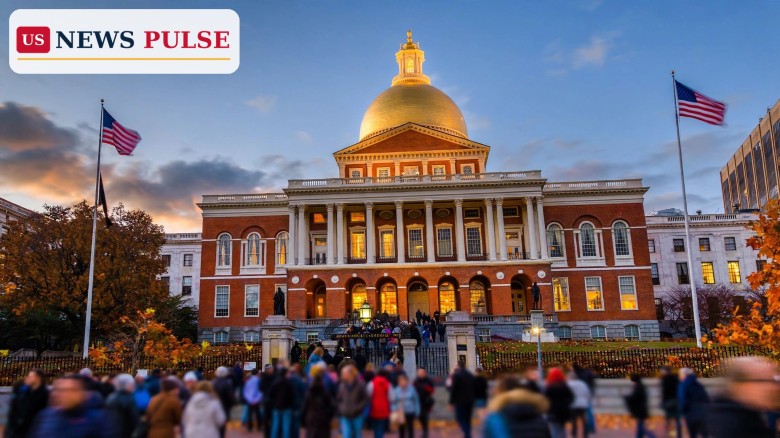
Maura Healey wins second term as Massachusetts governor after voters returned the Democrat to office on Tuesday, November 3, 2026, defeating Republican businessman Mike Minogue. The Associated Press called the race moments after polls closed at 8:01 p.m. ET, giving Healey a second four-year term and extending Democratic control of the Massachusetts governor's office. Healey ran alongside Lieutenant Governor Kimberly Driscoll, while independent Andrea James was also on the ballot.
The result matched pre-election polling and came on a night of Democratic wins in several governor and Senate races. For Massachusetts, it means continuity at the top of state government and four more years for Healey to pursue her agenda on housing, education, health care and the cost of living. It also keeps a frequent critic of President Donald Trump.
Key Points
- Democratic Governor Maura Healey won re-election in Massachusetts on November 3, 2026, defeating Republican Mike Minogue.
- The Associated Press called the race moments after polls closed at 8:01 p.m. ET.
- Healey first won in 2022, beating Geoff Diehl 64 percent to 35 percent, becoming the first woman and the first openly gay person elected Massachusetts governor.
- Minogue campaigned on the economy and affordability; Healey campaigned with a Trump-focused argument.
- A Bay State Poll by the University of New Hampshire, September 17 to 21, had put Healey ahead 54 percent to 38 percent.
What Happened
Massachusetts voters cast ballots as part of the 2026 midterm elections, and the governor's race was called almost immediately. The Associated Press marked Healey as the winner moments after the 8:01 p.m. ET closing time, a sign of how wide the margin was expected to be. The AP also called the state's Senate race for Democratic Senator Ed Markey on Tuesday night, underlining Democratic strength in Massachusetts.
Healey's victory gives her a second four-year term, running through early 2031. She first took office in January 2023, so re-election means she could serve eight years in total if she completes the new term. Minogue was unable to close the gap despite heavy spending: he spent 6.1 million dollars in September 2026 alone, making the contest the most expensive Massachusetts gubernatorial race in history.
Massachusetts has not elected a Republican governor since Charlie Baker in 2022, and Democrats hold a large registration advantage in the state.
Background and Context
Healey came to the governor's office after serving as Massachusetts attorney general, where she built a national profile challenging the Trump administration in court and working on consumer protection, health care and civil rights. That profile shaped her first term, in which she positioned Massachusetts as a state willing to push back against federal policies she opposed, while working on issues at home.
In her first term, Healey pursued investments in public education, housing and transportation, and sought to address the high cost of living. Housing costs are among the highest in the country in Massachusetts, and affordability was a recurring theme in the 2026 campaign for both candidates. Minogue argued Healey had not done enough to bring costs down, while Healey argued her administration had eased the burden on families and that steady leadership was needed for further progress.
Maura Healey Second Term: What Voters Backed
A second term for Maura Healey means continuity in Massachusetts government. Voters backing her endorsed a first term that mixed progressive policy with pragmatic administration, including efforts to expand housing, support public schools and community colleges, and protect access to abortion and reproductive health care after the Supreme Court overturned Roe v. Wade. Healey has also made climate policy and clean energy a priority.
The campaign was fought largely on two fronts. Minogue argued Massachusetts families were paying too much for housing, energy and everyday goods and that the state needed a change of direction. Healey argued the state was moving in the right direction on jobs and education, and framed the race in national terms, warning that Republican policies at the federal level threatened health care, education funding and democratic norms.
Money played a major role, but polling suggested Minogue's spending had not moved the race decisively. The September Bay State Poll put Healey ahead by 16 points, and the AP's rapid call on election night confirmed that polling had captured the shape of the race.
Reactions and Quotes
The AP call came so quickly after polls closed that formal victory and concession statements were still to follow in full, but each campaign's message was already clear. Healey's campaign presented the election as a choice between steady Democratic leadership and a Republican challenger aligned with national Republican policies. Minogue's campaign presented it as a referendum on affordability, arguing voters were feeling squeezed and wanted a governor focused relentlessly on costs.
For Republicans, Massachusetts was always an uphill climb, and the early call suggested Minogue's appeal to independents had not overcome Healey's incumbency. Healey's running mate, Kimberly Driscoll, the former mayor of Salem, returns to office with her.
Why It Matters
Healey's re-election matters for Massachusetts because it locks in the direction of state policy for four more years. Housing, education funding, health care and climate policy will continue to be shaped by a Democratic governor working with a Democratic legislature, without the gridlock seen in Washington. It also matters for the state's relationship with the federal government, where Healey has been among the governors most willing to challenge Trump administration policies in court and in public.
Nationally, a comfortable win reinforces Democratic strength in the Northeast heading into 2028. For voters, the immediate consequence is stability, although Healey must still show progress on the affordability issues Minogue raised.
What Happens Next
Healey will be sworn in for her second term in January, alongside Driscoll, and the administration will set out its priorities in the weeks that follow. That is likely to include a new state budget, proposals on housing and education, and continued work on climate goals. The legislature, which remains under Democratic control, will be a partner in that work, although debates over spending and taxes are expected.
Minogue's defeat ends his bid for now, but record spending suggests Republicans will keep investing in Massachusetts. For Healey, the next test is governing, where voters will judge her on housing costs, schools and the economy. Related coverage includes election integrity debates ahead of the midterms and Supreme Court and shutdown politics in the election year.
Frequently Asked Questions
Who won the Massachusetts governor race in 2026?
Democratic Governor Maura Healey won re-election, defeating Republican Mike Minogue. The Associated Press called the race moments after polls closed at 8:01 p.m. ET on November 3, 2026.
How long is a Massachusetts governor's term?
Massachusetts governors serve four-year terms. Healey's second term will run through early 2031 if she serves the full term.
Who is Mike Minogue?
Mike Minogue is a Republican businessman who challenged Healey in 2026, campaigning on the economy and affordability. He spent 6.1 million dollars in September 2026 alone.
Who is Healey's lieutenant governor?
Kimberly Driscoll, the former mayor of Salem, is Healey's lieutenant governor and was re-elected alongside her in 2026.
What did Healey campaign on?
Healey campaigned on her first-term record and with a Trump-focused argument, emphasising education, housing, health care and affordability in Massachusetts.
© 2026 US News Pulse. All rights reserved.
 Print
 Save