
Trump Pauses Project Freedom Hormuz Operation After One Day as Iran Deal Talks Advance
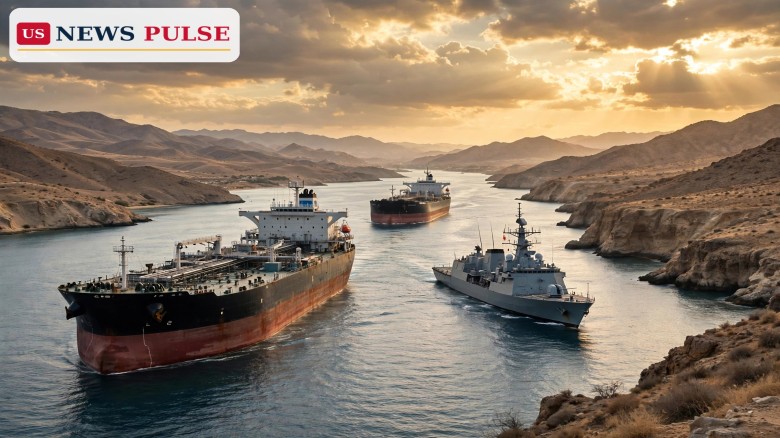
President Donald Trump has paused Project Freedom, the United States operation to move ships through the Strait of Hormuz, just one day after it began, citing great progress toward a possible agreement with Iran. The pause, announced on Tuesday, November 3, 2026, came on the same day Secretary of State Marco Rubio declared the offensive phase of the long-running United States-Israel war on Iran over, marking a sharp turn from military pressure toward negotiation. The blockade of Iran, Trump said, will remain in full force while the shipping operation is halted briefly to test whether a deal can be finalised and signed.
The announcement matters far beyond the Gulf. The Strait of Hormuz carries about 20 percent of the world's traded oil and liquefied natural gas in peacetime, so disruption there feeds directly into fuel prices and shipping costs. United States crude futures fell 2.30 dollars after Trump's post, breaking below 100 dollars a barrel.
Key Points
- Trump paused Project Freedom, the Hormuz ship-movement operation, after just one day, following requests from Pakistan and other countries.
- Secretary of State Marco Rubio said Operation Epic Fury, the United States-Israel war on Iran begun on February 28, 2026, is over, with the United States now focused on defensive operations only.
- The United States blockade of Iran remains in full force, Trump said, even while the shipping operation is paused for a short period.
- Defence Secretary Pete Hegseth said earlier on Tuesday that the United States had secured a path through the waterway and that hundreds of commercial ships were lining up to pass.
What Happened
Trump announced the pause on Truth Social on Tuesday, November 3, 2026. He wrote: "We have mutually agreed that, while the [US] Blockade will remain in full force and effect, Project Freedom (The Movement of Ships through the Strait of Hormuz) will be paused for a short period of time to see whether or not the Agreement can be finalized and signed." He said the pause followed requests from Pakistan and other countries and pointed to "Great Progress" toward a complete and final agreement with Iran.
The operation had only just begun on Monday, November 2, 2026, after Trump announced it on Sunday. Its aim was to escort stranded commercial vessels out of the Gulf through the strait, a narrow waterway between Iran and Oman linking the oil-rich Gulf to the open ocean.
Then came Rubio's declaration at the White House. The secretary of state told reporters that Operation Epic Fury was over, saying: "The operation is over - Epic Fury - as the president notified Congress. We're done with that stage of it." He added that the United States is now focused on defensive operations only. The wording matters: it does not claim the wider confrontation with Iran is finished, but it draws a line under the offensive phase that began on February 28, 2026, and shaped American policy in the region for nine months.
Background and Context
The United States-Israel war on Iran, known as Operation Epic Fury, began on February 28, 2026. It has been one of the defining foreign-policy crises of Trump's second term, involving sustained strikes, a naval blockade, threats to shipping and repeated rounds of mediation that never quite produced a lasting settlement. The war has also been intertwined with the American political calendar, with major decisions repeatedly framed around the November 3 midterm elections.
Project Freedom Hormuz Operation
Project Freedom, in plain terms, was an escort and movement operation, not a battle plan. Commercial ships stuck in the Gulf were to be moved through the Strait of Hormuz under American protection, clearing a backlog built up during months of war and blockade. The operation was announced on Sunday, November 2, and began on Monday, giving it barely a day of active operation before Tuesday's pause.
The pause does not lift the blockade. Trump was explicit on that point, and the distinction is central to the announcement. A blockade is a tool of pressure: it restricts what can move in and out of Iran. A shipping operation is a tool of facilitation: it helps third-party commercial vessels move. Pausing the second while keeping the first allows the administration to claim it is giving diplomacy a chance without giving up its main source of pressure. It is not yet clear how long "a short period of time" will last, or what would trigger a resumption.
Reactions and Quotes
Trump's own words set the tone. Beyond the formal pause, he pointed to "Great Progress" toward a complete and final agreement, language designed to reassure markets and allies that the shift was driven by opportunity rather than failure. The emphasis on a "complete and final" agreement also suggests the administration is not looking for a partial understanding, but for a settlement it can present as decisive.
Why It Matters
The pause matters for oil, for the war and for American politics. When traders fear disruption in Hormuz, prices rise and feed into fuel, transport and food costs. Declaring an offensive phase over also changes the political framing of American action and signals that Washington is prepared to move from coercion to negotiation. Coming on election day, a pause that leads to a deal would allow Trump to claim he ended a costly war through strength and negotiation.
What Happens Next
The immediate question is whether talks produce an agreement within the short window Trump has set. Mediators are expected to keep working, and both sides will watch for concrete steps such as a statement of principles or a confidence-building measure. Lawmakers will also ask what forces remain and what authorisation would be needed if offensive action resumed. For now, the pause is a test of whether diplomacy can deliver what nine months of war could not.
Frequently Asked Questions
What is Project Freedom?
Project Freedom is the United States operation to move commercial ships through the Strait of Hormuz, announced on Sunday, November 2, 2026, and begun on Monday. It was paused on Tuesday, November 3, 2026, after one day of operation.
Is the United States blockade of Iran still in place?
Yes. Trump said the blockade will remain in full force and effect while Project Freedom is paused. The pause applies only to the ship-movement operation, not to the blockade.
Did Secretary Rubio say the war on Iran is over?
Rubio said the offensive phase, Operation Epic Fury, is over, and that the United States is now focused on defensive operations only. He did not say the wider confrontation or the blockade had ended.
Why does the Strait of Hormuz matter so much?
About 20 percent of the world's traded oil and liquefied natural gas passes through the strait in peacetime. Disruption there raises prices worldwide.
What happens if no deal is reached?
Trump framed the pause as short and conditional, to see whether an agreement can be finalised and signed. If talks fail, the operation could resume.
Related coverage: Saudi Arabia urges Trump to give Iran talks a chance; Saudi Aramco profit jumps on higher oil prices; Trump confirms Vance letter to Iran.
Image: Tankers in the Strait of Hormuz. Original illustration.
© 2026 US News Pulse. All rights reserved.
 Print
 Save