
Xavier Becerra Wins California Governor Race, Becoming First Latino Governor in 150 Years
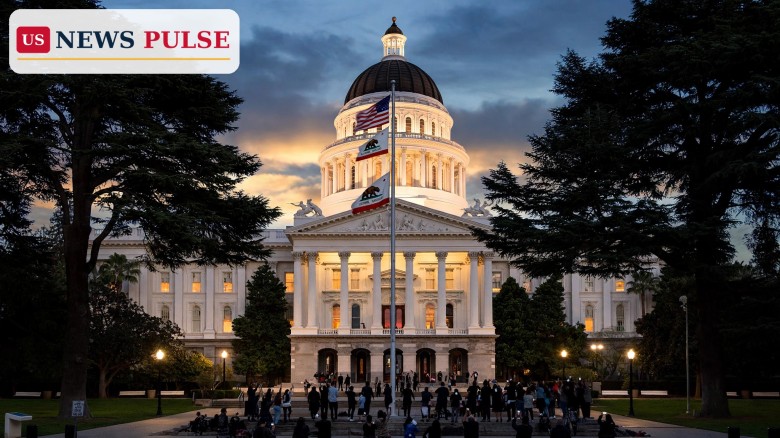
Xavier Becerra has won California's governor race, defeating Republican Steve Hilton and becoming the state's first Latino governor in more than 150 years. The Associated Press called the race just after polls closed at 8 p.m. Pacific Time on Tuesday, November 3, 2026, with CNN and NBC News also projecting a Becerra victory. Becerra, a former congressman, California attorney general and health secretary under President Joe Biden, will succeed term-limited Governor Gavin Newsom and take office on January 4, 2027.
The result closes one of the most closely watched governor's races of the 2026 midterms, pitting a veteran Democrat against a British-born former Fox News host backed by President Donald Trump. Hilton conceded on Tuesday evening, saying, "We have a new governor in California." In his victory speech, Becerra said: "I didn't run to make history. I ran to make a difference."
Key Points
- Democrat Xavier Becerra won California's governor race on Tuesday, November 3, 2026, defeating Republican Steve Hilton.
- The Associated Press called the race just after polls closed at 8 p.m. PT, with CNN and NBC also projecting a Becerra win.
- Early numbers showed Becerra leading about 59.8% to 40.2%; Bloomberg Law later reported about 64% with roughly 36% of ballots counted.
- Becerra becomes California's first Latino governor since the late 19th century, more than 150 years ago.
- He campaigned on lowering energy costs, expanding health-care access and defending California against Trump administration policies on immigration and voting rights.
What Happened
California voters went to the polls on Tuesday as part of the nationwide midterm elections, and the governor's race was called almost as soon as voting ended. Such an early call is unusual in California, where counting mail ballots often stretches for days, and it reflected the size of Becerra's early lead. Early returns put him ahead by roughly twenty points, at about 59.8% to Hilton's 40.2%, while a later Bloomberg Law report based on a partial count put him at about 64% with roughly 36% of ballots counted. The figures differed because they were taken at different points in the count, but every snapshot told the same story: a comfortable Democratic victory in a state that has not elected a Republican governor since Arnold Schwarzenegger.
Hilton acknowledged the outcome on Tuesday evening, before many ballots had been tallied.
Background: Who Is Xavier Becerra?
Becerra served in the United States House of Representatives, where he rose to a senior leadership role among House Democrats, before becoming California's attorney general. He then served as secretary of health and human services under President Joe Biden, overseeing the vast federal health apparatus. That resume gave him two advantages: he was already known to California voters, and he could speak about health care, the centre of his campaign, with the authority of someone who had run both a state justice department and a federal health department.
His opponent offered a sharp contrast. Born in Britain, Hilton became known to American audiences as a Fox News host and former adviser to a British prime minister, and he ran with Trump's backing, arguing California needed a break from decades of Democratic rule. On election night, that message did not carry beyond the Republican base in a state where registered Democrats far outnumber registered Republicans.
Xavier Becerra California Governor: A Historic First for the State
The historic dimension of the win is genuinely rare. California has had only a handful of Latino governors in its entire history, and none since the late 19th century, a period when the state was far smaller and far less diverse. More than 150 years have passed since then, during which California grew into the largest state in the union and its Latino population grew to become its largest ethnic group.
That gap is part of why the victory resonated beyond California. Latino voters are a decisive force in American politics, particularly in the Southwest, and the sight of a Latino governor-elect in Sacramento was read as a sign of how far representation has travelled, and as a reminder of how slowly it has moved at the very top of state government. Becerra himself has generally resisted making his ethnicity the centre of his pitch, preferring kitchen-table issues, but the milestone was impossible to ignore on election night.
Reactions and Quotes
The two most important statements of the night came from the candidates themselves, and both were brief. Hilton, conceding, said: "We have a new governor in California." Becerra, in victory, said: "I didn't run to make history. I ran to make a difference." The remark framed his governorship as a working project rather than a symbolic one, and set the tone for the transition ahead, from one Democrat to another, before Becerra takes office on January 4, 2027.
Why It Matters
Becerra's election matters for three reasons. The first is representation: after more than a century and a half, California will again have a Latino governor. The second is policy: he campaigned on lowering energy costs at a time when Californians pay some of the highest electricity and petrol prices in the country, and on expanding health-care access, an issue on which his background gives him unusual credibility. The third is the relationship between California and Washington: he promised to defend California against Trump administration policies on immigration and voting rights, and that promise will be tested quickly, since California has repeatedly clashed with the federal government over immigration enforcement, environmental rules and election administration.
What Happens Next
Between now and January 4, 2027, Becerra's transition team will assemble a cabinet, review the state's budget outlook and prepare the first legislative proposals of his administration. The formal vote count will continue for days, as California counts mail ballots postmarked by Election Day, but the outcome is settled. Attention will now turn to his first budget proposal and how quickly he moves on the promises that defined his campaign, above all whether life in the state gets more affordable under his watch.
Frequently Asked Questions
Who won the California governor's race in 2026?
Democrat Xavier Becerra won, defeating Republican Steve Hilton on Tuesday, November 3, 2026. The Associated Press called the race just after polls closed at 8 p.m. PT.
Why is Xavier Becerra's win historic?
Becerra becomes California's first Latino governor since the late 19th century, more than 150 years ago, in a state where Latino residents are the largest population group.
When does Xavier Becerra take office as California governor?
He is due to take office on January 4, 2027, succeeding term-limited Governor Gavin Newsom.
What did Steve Hilton say after losing?
Hilton acknowledged defeat on Tuesday evening, saying: "We have a new governor in California."
What did Becerra campaign on?
He campaigned on lowering energy costs, expanding health-care access and defending California against Trump administration policies on immigration and voting rights.
Related coverage: California voters also decided Proposition 40, the billionaire tax measure, on the same ballot, and the state has been at the centre of disputes over the federal voter list in the run-up to the midterms. For the wider national picture, see our 2026 midterm elections coverage.
© 2026 US News Pulse. All rights reserved.
 Print
 Save