
Russian Diesel Warning: New Jersey Ports Told Not to Accept Shipments by Governor
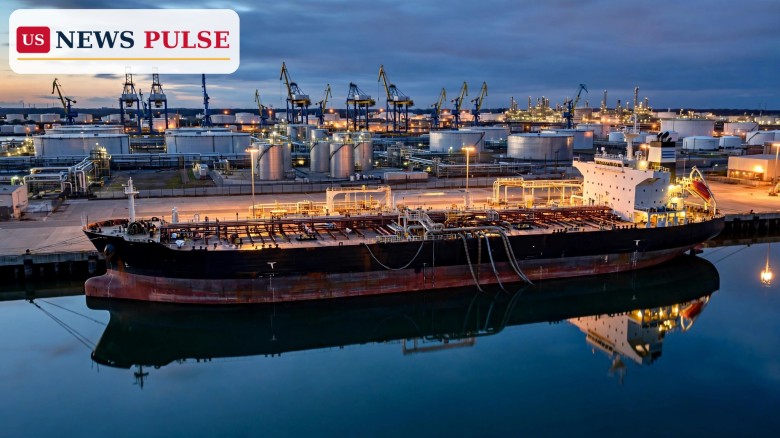
New Jersey Governor Mikie Sherrill has warned port and terminal operators in her state not to accept shipments of Russian diesel, telling them the imports break federal law and could expose businesses and individuals to harsh civil and criminal penalties. In a letter dated Monday, November 2, 2026, Sherrill wrote bluntly: "do not help bring illegal Russian diesel into New Jersey." The warning comes as at least one Russian diesel tanker is reported to be heading toward the United States East Coast.
At the heart of the dispute is a clash between two federal actions. Congress passed the Ending Importation of Russian Oil Act in 2022, after Russia's invasion of Ukraine, banning Russian oil and petroleum imports. In October 2026, however, the Treasury Department issued a licence authorising transactions involving Russian-origin diesel through April 7, 2027. Sherrill argues the licence cannot override the statute, and she has pledged to use New Jersey's legal and regulatory powers to stop any such shipment being unloaded at state terminals.
Key Points
- New Jersey Governor Mikie Sherrill warned port operators on November 2, 2026, not to accept Russian diesel shipments.
- She says the imports break federal law and could bring harsh civil and criminal penalties.
- Sherrill argues Treasury's General License 135 conflicts with the 2022 Ending Importation of Russian Oil Act, which allows no blanket waiver unless Russia withdraws its forces from Ukraine.
- The licence followed President Donald Trump's decision to allow more than 300,000 metric tons, about 2.25 million barrels, of Russian diesel into US and global markets.
- At least one Russian diesel tanker, the Malta-flagged Agioi Fanendes, was reported still on course toward the US East Coast on November 3.
What Happened
Sherrill's letter went to port and terminal operators in New Jersey, including major companies such as Kinder Morgan and Phillips 66. It warned them against handling Russian diesel, and promised that the state would use its own legal and regulatory powers to prevent shipments from being unloaded at New Jersey terminals.
The governor's argument is legal. She says the Treasury Department's Office of Foreign Assets Control issued General License 135 on October 9, 2026, authorising transactions involving Russian-origin diesel through April 7, 2027. That licence, she argues, conflicts with the 2022 Act, which allows no blanket waiver unless Russia withdraws its forces from Ukraine, which has not happened. The licence followed President Donald Trump's decision to allow more than 300,000 metric tons of Russian diesel into US and global markets.
Sherrill said Russia has since dispatched multiple diesel tankers toward the United States. A November 3 assessment by maritime intelligence firm Windward found that only one of three Russian diesel tankers previously reported heading to the US was still on course toward the US East Coast. That vessel is the Malta-flagged Agioi Fanendes, which loaded about 40,000 metric tons of diesel at Russia's Baltic port of Primorsk on October 22. It initially listed New York as its destination, with expected arrival around November 7, before changing its destination to "for orders," meaning its final port is not yet fixed.
Background and Context
The United States banned Russian oil imports in 2022, shortly after Russia launched its full-scale invasion of Ukraine, as part of a broader Western sanctions effort aimed at cutting off revenue Moscow could use to fund its war. Diesel, a refined petroleum product, falls within that framework, and the ban has enjoyed bipartisan support in Congress for most of the period since.
That consensus has been tested this autumn. The Treasury licence of October 9 opened a six-month window for transactions involving Russian-origin diesel, citing tight inventories and high prices for American consumers. The move drew warnings from members of Congress, who wrote to banks, ports and fuel distributors urging caution.
Russian Diesel New Jersey: Why the Governor's Letter Matters
The letter matters first because it creates a direct conflict between a state governor and a federal licence, a clash that could end up in court if a tanker tries to dock and unload. Operators caught between a licence that appears to authorise a transaction and a governor who says the underlying law forbids it face real legal risk either way. Second, it tests how far the administration's diesel policy will go in practice: if operators refuse the cargo, or a state blocks it, the policy could stall regardless of what the licence says.
Reactions and Quotes
Sherrill's own words set the tone. "Do not help bring illegal Russian diesel into New Jersey," she told operators, adding that the 2022 Act allows no blanket waiver unless Russia withdraws its forces from Ukraine, a condition that "has not happened." Her message was that the risk is personal as well as corporate, with "harsh civil and criminal penalties" possible for those involved. Neither the Treasury Department nor the White House had, in the reporting reviewed, issued a direct public response to her letter at the time of writing.
Why It Matters
This dispute goes to the credibility of US sanctions, which work only if the rules are clear and enforced. When a federal licence appears to conflict with a statute, and a governor publicly warns that the licence is unlawful, the confusion can itself weaken enforcement. Kyiv has consistently argued that sanctions relief without Russian concessions undermines the pressure campaign, an argument Sherrill's letter echoes at state level.
What Happens Next
The immediate question is what the Agioi Fanendes does next. Its destination is listed as "for orders," so it could turn away, wait offshore, or head for a different port, and its earlier expected arrival date of around November 7 is only a rough window. If a terminal agrees to handle the cargo, the state has pledged to block the unloading, which could trigger a court fight over whether the licence or the 2022 statute prevails. Readers can follow related coverage on US News Pulse, including the bipartisan warning to banks and ports over the Trump plan and the review of sanctions relief for Russia's RDIF fund.
Frequently Asked Questions
What did Governor Mikie Sherrill warn New Jersey ports about?
She warned operators not to accept Russian diesel shipments, saying the imports break federal law and could bring harsh civil and criminal penalties.
What is Treasury General License 135?
It is a licence issued by the Treasury's Office of Foreign Assets Control on October 9, 2026, authorising transactions involving Russian-origin diesel through April 7, 2027.
Why does Sherrill say the licence conflicts with the law?
She argues the 2022 Act banned Russian oil imports and allows no blanket waiver unless Russia withdraws its forces from Ukraine, which has not happened.
Which tanker is reported heading toward the US East Coast?
The Malta-flagged Agioi Fanendes, which loaded about 40,000 metric tons of diesel at Primorsk on October 22 and was, as of November 3, the only reported Russian diesel tanker still on course toward the US East Coast.
What happens if a Russian diesel cargo tries to unload in New Jersey?
Sherrill has pledged to use New Jersey's legal and regulatory powers to prevent it being unloaded, which could lead to a court dispute over whether the licence or the 2022 statute prevails.
© 2026 US News Pulse. All rights reserved.
 Print
 Save