
Massachusetts Voters Keep 2026 Gun Law Alive in Question 9 Referendum Win
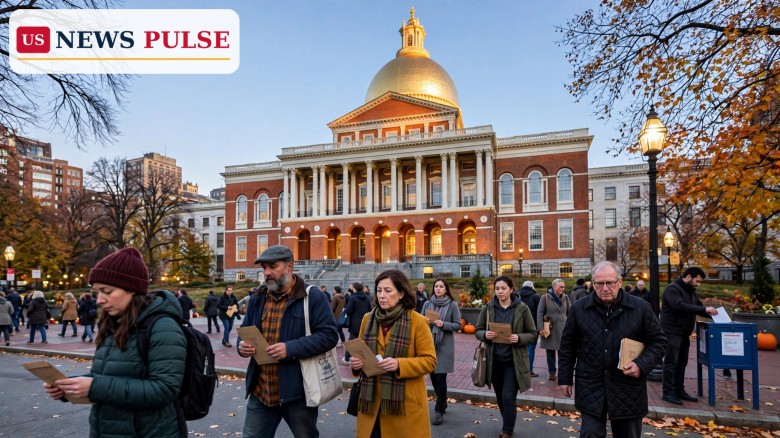
Massachusetts voters have voted decisively to keep the state's sweeping 2024 gun law in place, rejecting a repeal effort in the Question 9 referendum on the November 3, 2026 ballot. The Associated Press called the race for Yes, with supporters holding about 67.5 percent of the vote to about 32.5 percent for repeal, with 87.04 percent of precincts reporting. It was one of the clearest verdicts of election night in Massachusetts, and it leaves one of the strictest firearms regimes in the country firmly intact.
The Massachusetts Question 9 gun law referendum asked a simple question with large consequences: should Chapter 135, the firearms law passed in 2024 as H.4885, remain in force? A Yes vote kept the law. A No vote would have repealed it. By nearly 35 points, voters chose to keep it.
Key Points
- Voters kept the 2024 gun law through Question 9, with Yes leading No by about 67.5 percent to 32.5 percent.
- The Associated Press called it for Yes: 1,625,114 Yes votes to 802,230 No votes, with 2,075 of 2,384 precincts reporting.
- The law tightens regulation of ghost guns, machine guns and assault-style weapons, after the Supreme Court's 2022 Bruen decision.
- Pro-Second Amendment activists, including the Gun Owners' Action League, gathered nearly 100,000 signatures to force the referendum.
- Results remain unofficial until certified, and separate lawsuits challenging the law are still moving through the courts.
What Happened
On Tuesday, November 3, 2026, Massachusetts voters faced Question 9, a referendum on whether the 2024 gun law should stay on the books. Early returns showed a wide lead for Yes, and the margin held as counting continued. With about 85 percent of ballots tallied, Yes stood at 67.2 percent. With 87.04 percent of precincts reporting, the count was 1,625,114 for Yes and 802,230 for No.
The Associated Press called the race for Yes. The result was not close at any stage, and it matched the state's long record of supporting strict firearms regulation. Massachusetts already had some of the lowest rates of gun deaths in the United States before the 2024 law, and supporters argued the new measures closed dangerous gaps rather than starting from scratch.
The referendum was a people's veto, the Massachusetts mechanism by which voters can approve or repeal a law passed by the legislature. Opponents collected the signatures needed to suspend the law and put it before voters. That effort got Question 9 on the ballot, but it did not persuade a majority to repeal the measure.
Background: How Massachusetts Reworked Its Gun Laws
The story begins in 2022, when the United States Supreme Court struck down New York's discretionary concealed-carry permit system in New York State Rifle and Pistol Association v. Bruen. That ruling changed the legal test for firearms regulation nationwide and forced states with strict gun laws to rework their statutes so they could survive court challenges.
Massachusetts lawmakers responded with Chapter 135, signed in 2024 as H.4885. The law expanded regulation of ghost guns, untraceable weapons assembled from parts or made with 3D printers, machine guns, and assault-style weapons. It also updated licensing, storage and enforcement provisions, aiming to bring state law into line with the post-Bruen landscape while keeping the strict approach intact.
Gun-rights groups opposed the law from the start. The Gun Owners' Action League and other pro-Second Amendment activists gathered nearly 100,000 signatures to force a referendum, arguing the law went too far and burdened law-abiding owners. That drive put the law's fate in voters' hands.
Massachusetts Question 9 Gun Law: What Voters Decided
The Massachusetts Question 9 gun law vote was, in effect, a second verdict on a law the legislature had already passed. Supporters framed the choice as public safety, pointing to ghost guns and untraceable weapons as a growing problem for police. Opponents framed it as constitutional rights, arguing the law restricted freedoms protected by the Second Amendment.
Voters sided clearly with supporters. The nearly 35-point margin was wider than many close midterm contests elsewhere on the ballot, suggesting the referendum did not divide Massachusetts voters along usual partisan lines as sharply as other issues. Even in a midterm cycle dominated nationally by the cost of living and the war in Iran, the gun-law question produced a lopsided result in a state where gun control has long enjoyed broad support.
Reactions and Quotes
As of the latest counts, the campaigns had not issued detailed statements beyond the vote itself, and no official concession or victory speech had been reported in the sources for this article. That is common for a ballot-question result called on election night, when the focus is on the numbers rather than speeches.
Why It Matters
The Question 9 result matters well beyond Massachusetts. It is one of the few times in recent years voters have been asked directly, in a statewide referendum, whether to keep or repeal a major new gun law. The answer, by a wide margin, was to keep it. Lawmakers in other states considering similar measures, and gun-rights groups deciding where to spend resources, will watch it closely.
It also matters for the national debate over ghost guns, a central concern for law enforcement agencies across the country. Massachusetts has now given its approach a direct democratic endorsement, not just a legislative one. At the same time, the result does not settle the legal questions: lawsuits challenging the law continue separately, and courts will decide whether specific provisions survive constitutional scrutiny.
What Happens Next
The immediate next step is certification. Results remain unofficial until confirmed by Massachusetts election authorities, a routine process that confirms the election-night counts. Once certified, Chapter 135 remains in force without interruption.
The longer fight will play out in court. Separate lawsuits challenging the law are still pending, and their outcome could affect individual provisions even though voters have endorsed the law as a whole. Gun-rights groups may also return to the legislature or to future ballot efforts, but the scale of the Question 9 defeat makes a quick repeat attempt unlikely. For now, Massachusetts gun owners, dealers and police will continue operating under the 2024 law, with the added certainty that voters have backed it directly. Related coverage includes Maura Healey's re-election as Massachusetts governor, Mike Johnson's decision not to seek House Republican leadership, and JD Vance's explanation for Republican midterm losses.
Frequently Asked Questions
What was Massachusetts Question 9? A referendum asking whether the 2024 gun law, Chapter 135 (H.4885), should remain in force. Yes kept it; No would have repealed it.
What was the result? Yes won by about 67.5 percent to 32.5 percent: 1,625,114 Yes votes to 802,230 No votes, with 87.04 percent of precincts reporting.
What does the 2024 law regulate? It increases regulation of ghost guns, machine guns and assault-style weapons, passed after the Supreme Court's 2022 Bruen decision.
Are the results final? They remain unofficial until certified, but the margin is large and the Associated Press has called the race for Yes.
Does the vote end legal challenges? No. Lawsuits challenging the law continue separately, and courts will still decide whether specific provisions are constitutional.
© 2026 US News Pulse. All rights reserved.
 Print
 Save