
Trump Extends Iran National Emergency for Another Year as Sanctions Stay in Force
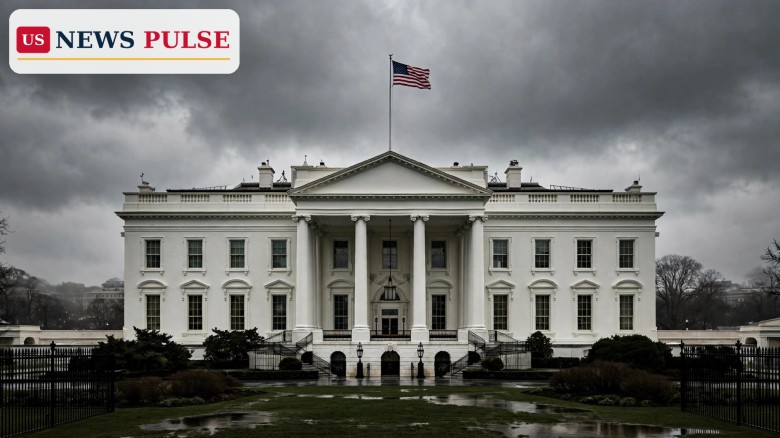
President Donald Trump has extended the Iran national emergency for another year, keeping the sanctions regime rooted in the 1979 crisis in force beyond November 14, 2026. The White House notice, released Wednesday, November 4, 2026, and published in the Federal Register, keeps alive the emergency first declared by President Jimmy Carter nearly 47 years ago, as the US-Iran war enters its ninth month.
The move is routine in one sense: every president since Carter has renewed it annually. The timing is striking, though: it comes a day after the November 3 midterms, in which the war was central, and as officials speak of progress in talks with Tehran.
Key Points
- President Donald Trump extended the national emergency concerning Iran for another year in a White House notice released Wednesday, November 4, 2026.
- The emergency, first declared on November 14, 1979, under Executive Order 12170, remains in effect beyond November 14, 2026.
- The White House said US-Iran relations have not yet normalised and implementation of the January 19, 1981 Algiers Accords is ongoing.
- The 1979 emergency is separate from the Iran emergency declared on March 15, 1995, which Trump renewed separately on March 2, 2026.
- The extension comes during the US-Iran war, which began on February 28, 2026, and a day after the midterm elections.
What Happened
The White House notice continues the national emergency with respect to Iran for one additional year. Under the National Emergencies Act, such emergencies expire automatically unless renewed, so the notice keeps the emergency alive past its November 14 anniversary.
The notice states that relations between the United States and Iran have not yet normalised and that implementation of the Algiers Accords of January 19, 1981, is still ongoing. Those two points are the formal justification, used in similar language by successive administrations for decades.
The practical consequence is continuity: the sanctions, asset freezes and trade restrictions resting on the 1979 emergency remain in force. Had it lapsed, the legal basis for parts of that architecture would have fallen away. The renewal also signals that economic pressure is not being wound down while talks continue.
Background: From the 1979 Hostage Crisis to Today
The emergency is one of the oldest continuously renewed emergencies in American law. President Jimmy Carter declared it on November 14, 1979, ten days after Iranian students seized the United States Embassy in Tehran and took American diplomats hostage, following the revolution that toppled the US-backed Shah.
Executive Order 12170, signed the same day, froze Iranian official assets in the United States and restricted exports to and imports from Iran. Carter severed diplomatic relations on April 7, 1980, banned exports, and followed with an import embargo and a travel ban.
The hostage crisis ended on January 20, 1981, the day Ronald Reagan took office, when the 52 remaining hostages were released after 444 days. Their release was secured through the Algiers Accords, signed on January 19, 1981, under which the United States pledged not to intervene in Iran's internal affairs. The emergency, however, was never lifted, and later administrations layered new sanctions on top of it over Iran's nuclear programme, missiles, support for armed groups and human rights record.
The Iran National Emergency and the Sanctions Regime
Under the National Emergencies Act of 1976 and the International Emergency Economic Powers Act, a presidential declaration unlocks broad powers to regulate commerce and freeze assets in response to an unusual threat to national security, foreign policy or the economy. The powers last only as long as the emergency itself.
The 1979 emergency is distinct from the second Iran emergency. On March 15, 1995, President Bill Clinton declared a separate emergency over Iran's support for terrorism and pursuit of weapons of mass destruction, under Executive Order 12957. It underpins the broad trade and investment embargo, and Trump renewed it separately on March 2, 2026.
For businesses, banks and governments dealing with Iran, the renewal signals stability rather than change. For Tehran, the message is clear: the economic pressure that has shaped its economy for decades, and intensified during the current war, is not being lifted in any negotiation, at least not yet.
Reactions and Quotes
The White House notice itself is the primary official statement, and its language is deliberately spare. It records that US-Iran relations have not yet normalised and that implementation of the Algiers Accords is ongoing, the two findings justifying another year.
The timing has drawn attention. The renewal came a day after voters delivered control of both chambers of Congress to the Democrats in the November 3 midterms, in which the Iran war featured prominently. It also came as Vice President JD Vance said Washington has made progress in talks with Iran and set no strict deadline for a deal, while President Trump said a deal was coming together. No separate statement from Tehran had been reported at publication.
Why It Matters
The renewal matters for three reasons. First, it preserves the legal architecture of American sanctions on Iran; without it, parts of that architecture would lapse. Second, it shapes diplomacy: sanctions relief is typically the most valuable thing Washington can offer Tehran, and it remains something Iran must bargain for. Third, it measures how long this confrontation has lasted: the emergency was declared when the hostage crisis was ten days old, and it has outlived the Cold War and eight presidencies.
What Happens Next
The emergency now runs until November 14, 2027, unless terminated earlier or renewed again next November. In the shorter term, attention will focus on the talks Vice President Vance described as making progress, and on whether the incoming Democratic Congress, taking office in January, presses for an end to the war or for sanctions changes.
Related coverage: Trump: Iran war ends whenever he wants; Iran-US talks: Araghchi hails outreach; Trump in no hurry to end Iran war.
Frequently Asked Questions
What is the 1979 Iran national emergency?
An emergency declared by President Jimmy Carter on November 14, 1979, under Executive Order 12170, after the seizure of the US Embassy in Tehran. It froze Iranian assets in the United States and introduced trade restrictions, and has been renewed every year since.
What did President Trump just do?
He extended the emergency for another year in a White House notice released on November 4, 2026, so it remains in effect beyond November 14, 2026.
Is this the same as the 1995 Iran emergency?
No. The 1995 emergency, declared by President Bill Clinton under Executive Order 12957, covers Iran's support for terrorism and weapons programmes. Trump renewed it separately on March 2, 2026.
Does the renewal impose new sanctions?
No. It keeps the existing framework in force and prevents its legal basis from lapsing, but adds no new measures.
How long will the emergency last now?
Until November 14, 2027, unless terminated earlier, or renewed again next November, as every year since 1979.
© 2026 US News Pulse. All rights reserved.
 Print
 Save