
Kseniia Petrova Frog Embryo Case Dismissed as Harvard Scientist Cleared
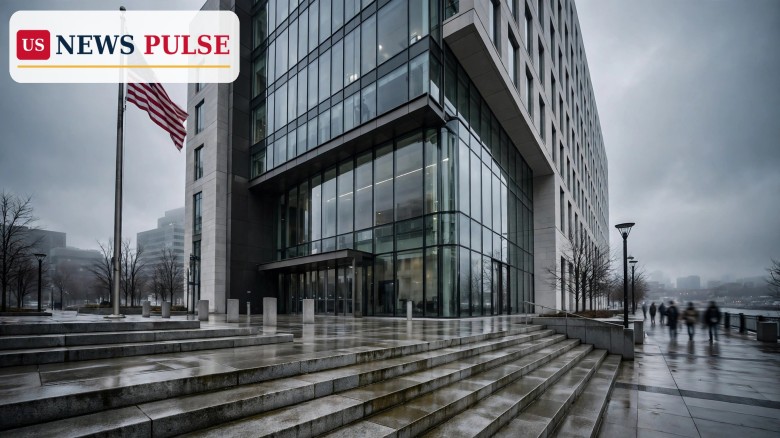
A federal judge has dismissed every criminal charge against Harvard scientist Kseniia Petrova, closing the Kseniia Petrova frog embryo case that began when customs officers at Boston's Logan Airport stopped her after a research trip to France. District Judge Leo T. Sorokin granted the government's request on Wednesday, November 4, 2026, one day after prosecutors asked for the case to be dropped. Petrova, 31, a Russian-born researcher working on cancer research at Harvard Medical School, had pleaded not guilty to smuggling goods, concealing a material fact and making a false statement.
Key Points
- Judge Leo T. Sorokin dismissed all charges against Kseniia Petrova on November 4, 2026, without a hearing.
- Prosecutors moved to drop the case on November 3, citing developments in the case and their assessment of priorities and resources.
- Petrova was detained at Boston Logan Airport in February 2025 after officers found clawed frog embryos and scientific samples in her luggage.
- She spent four months in immigration detention before being released on bail in June 2025.
- A Vermont judge had already ruled in 2026 that her visa was unlawfully cancelled.
What Happened
The end came swiftly. On Tuesday night, U.S. Attorney Leah Foley filed a motion to dismiss the charges "based on developments in this case and an assessment of the office's priorities and resources." The next day, Judge Sorokin granted that request and dismissed the case without holding a hearing, according to reports of the court order.
Prosecutors had argued for months that Petrova should have declared the samples when she arrived in Boston. In their dismissal filing, however, they said that while they viewed her claims of vindictive prosecution as "meritless," continuing the case after a judge cleared her to obtain evidence supporting that claim "would divert significant time and attention from more substantial federal interests."
The dismissal ends the criminal prosecution. Her lawyer said it closed a chapter that had caused her serious hardship, and researchers said it raised fresh questions about how border officers handle scientific materials.
Background/Context
Petrova was returning from Paris in February 2025 when immigration authorities detained her at Logan Airport, revoked her visa and inspected her checked duffel bag. Officers found clawed frog embryos, paraffin slides and other scientific samples. Prosecutors said the materials should have been declared to customs officials. Petrova maintained throughout that the samples were intended for her research and posed no danger.
While she remained in immigration detention in Louisiana, federal prosecutors filed criminal charges in May 2025. She pleaded not guilty to one count of smuggling goods into the United States, one count of concealment of a material fact and one count of false statement. She was released on bail in June 2025, after about four months in detention.
The case then moved on two tracks. In April 2026, a federal judge in Vermont ruled that Petrova's visa had been unlawfully cancelled. In October 2026, a judge in Boston sustained a decision finding that she had put forward enough evidence of selective prosecution to be entitled to obtain government records to support that claim. It was that ruling, prosecutors said, that changed the balance of the case.
Kseniia Petrova Frog Embryo Case: What the Court Record Shows
The court record shows a prosecution that narrowed as it went on, rather than widening. The samples at the centre of the case were frog embryos used in laboratory research, together with thinly sliced sections prepared for study. Petrova had visited a laboratory in France that specialises in splicing superfine sections of frog embryos, and she said the package she carried was research material for her work at Harvard.
Prosecutors never alleged that the samples were infectious, toxic or intended for any use other than research. Their case rested on the failure to declare them and on statements made to officers. That distinction mattered to her defence, which argued that a customs dispute had become a criminal prosecution and months of detention.
Reactions/Quotes
Petrova's attorney, Daniel N. Marx, welcomed the dismissal. "Throughout these proceedings, Ms. Petrova has shown tremendous courage, and we are relieved that this chapter of her terrible ordeal is now over," Marx said in a statement. "Although that important question will not yet be answered, we are pleased the DOJ has finally reached the appropriate conclusion and asked the court to immediately dismiss all criminal charges against Ms. Petrova."
A spokesperson for U.S. Attorney Leah Foley declined to comment on the dismissal, according to reports. The U.S. Attorney's office had previously said it viewed the vindictive-prosecution claims as meritless, even as it asked the court to end the case. No further criminal proceedings against Petrova arising from the same airport stop have been announced.
Why It Matters
The dismissal matters beyond one researcher because it touches on how the United States treats visiting scientists and the materials they carry. Universities depend on researchers moving samples, reagents and specimens between laboratories in different countries, often under complex customs and export rules. When a paperwork dispute becomes a criminal case, researchers and universities say, the chilling effect can reach far beyond the individual involved.
It also matters because Petrova's detention and prosecution unfolded alongside a wider debate about immigration enforcement and selective prosecution. The Boston court's October decision did not decide that she had been vindictively prosecuted, but it found she had shown enough to seek the government's records. Prosecutors then chose to stop rather than litigate that question, leaving the underlying claim unanswered.
What Happens Next
With the criminal charges dismissed, Petrova is no longer facing prosecution in the case. Questions remain about her immigration status and her ability to continue her research in the United States, given that her visa was revoked in 2025 and later found to have been unlawfully cancelled. Neither the court order nor the dismissal filing published so far resolves those questions, and her legal team has not announced next steps. For now, the criminal case that began at a Boston airport checkpoint is closed.
Frequently Asked Questions
Who is Kseniia Petrova? She is a 31-year-old Russian-born biomedical researcher who was conducting cancer research at Harvard Medical School when she was detained in February 2025.
What was she accused of? Prosecutors charged her with smuggling goods, concealing a material fact and making a false statement, after officers found clawed frog embryos and scientific samples in her luggage at Boston Logan Airport.
Why were the charges dismissed? Prosecutors asked for dismissal on November 3, 2026, citing developments in the case and their priorities and resources, and Judge Leo T. Sorokin granted the request the next day.
Was she found guilty? No. The charges were dismissed before trial, and she had pleaded not guilty. A dismissal is not a conviction, and it leaves no criminal finding against her in this case.
What happens to her visa now? That question is not settled by the dismissal. A Vermont judge ruled in April 2026 that her visa was unlawfully cancelled, but her future immigration status will depend on separate proceedings and decisions.
Related coverage: Supreme Court backs Trump in deportation case and Judge blocks Trump refugee rule.
© 2026 US News Pulse. All rights reserved.
 Print
 Save