
Democrats Vow to Slash Trump's $1.5 Trillion War Budget and Probe Iran War
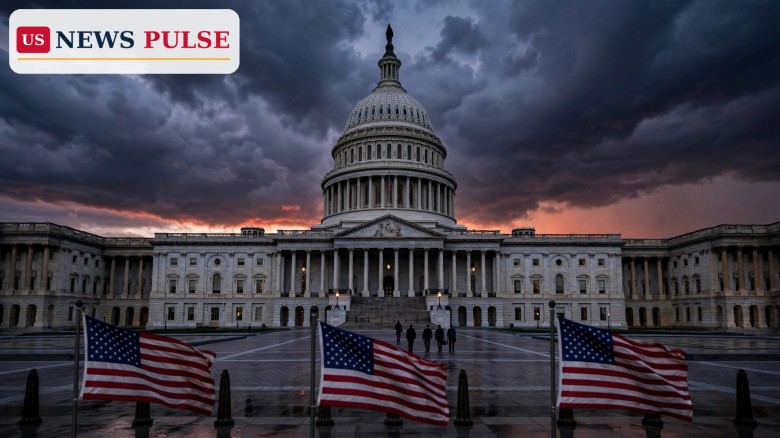
WASHINGTON — Emboldened by their sweeping victories in Tuesday’s midterm elections, congressional Democrats are vowing to reject President Donald Trump’s proposed $1.5 trillion war budget and launch sweeping investigations into the Department of War, including its spending and its conduct of the war against Iran. Rep. Adam Smith of Washington, the top Democrat on the House Armed Services Committee, outlined the plans on Thursday as his party prepares to take control of both chambers of Congress in January.
Key Points
- Democrats will reject Trump’s $1.5 trillion fiscal 2027 defence request and push for a budget below $1 trillion, Smith said.
- Smith pledged vigorous oversight of Pentagon spending and the Iran war, with more public testimony from senior officials.
- The fiscal 2027 defence bills now stand at about $1.15 trillion (authorisation) and $1.07 trillion (appropriations); Republicans had planned to add the extra $350 billion through reconciliation.
- War Secretary Pete Hegseth has warned that not funding the department at $1.5 trillion is “the greatest threat that our nation faces”.
- With about eight weeks until Democrats take power, Republicans face a difficult lame-duck task — or Democrats could block the extra $350 billion.
What Happened
Smith, who is poised to chair the House Armed Services Committee when Democrats take the House in January, laid out his party’s plans on Thursday, two days after voters handed Democrats both chambers of Congress. The Washington Democrat said his party would demand a “more realistic and sustainable approach to our national security”, and he put the Iran war at the very top of the oversight agenda.
“We must push for the development of a more realistic and sustainable approach to our national security, one that does not require a defense budget in excess of $1 trillion or one paid for with draconian cuts to critical domestic programs,” Smith said. He added that the oversight list facing the committee is long, but that “the illegal war against Iran is top of mind for me and the American people”.
Background: The $1.5 Trillion Request
Trump’s fiscal 2027 defence request is the biggest in American history: $1.5 trillion for the Department of War, dwarfing the roughly $1.15 trillion in the House and Senate authorisation bills and the roughly $1.07 trillion in the appropriations measure. Republicans had planned to bridge the gap by adding the extra $350 billion through budget reconciliation, which needs only a simple majority in the Senate.
Trump and Hegseth have vigorously defended the request. Hegseth told lawmakers on July 21 that “Not funding this department at 1.5 trillion, I believe, is the greatest threat that our nation faces”, casting the figure as essential to rebuilding the military and sustaining the campaign against Iran. The Pentagon accounts for about 17% of annual federal spending, and it remains the only federal department never to have passed a comprehensive financial audit.
Why Democrats Say the $1.5 Trillion War Budget Must Go
For Smith and his colleagues, the argument is about both the size of the request and what it would be paid for with. A budget above $1 trillion, he argued, can only be sustained by “draconian cuts to critical domestic programs” already under strain after a year of spending fights and a government shutdown.
Smith also pledged vigorous oversight of Pentagon spending and reform of how military resources are managed, and signalled the committee would press senior officials in public hearings on the conduct of the Iran war — its goals, its costs and its legal basis. That puts the department’s leadership on notice: the defiant video Hegseth posted on the Pentagon steps this week, vowing the department “will not back down”, is now likely to be replayed in a Democratic-led hearing room.
Read more: Hegseth vows ‘we will not back down’ in defiant Pentagon video as impeachment vote looms
Reactions and Quotes
Smith’s remarks drew an immediate contrast with the administration’s position. Democrats frame the $1.5 trillion request as excessive and unaccountable; Trump and Hegseth present it as a test of national resolve. Hegseth’s July warning has become the administration’s central defence of the figure, and Democrats are now preparing to challenge it directly in hearings. Smith’s promise of “increased public testimony” from senior Pentagon officials signals Democrats intend to make the oversight fight visible — a public examination of how the war is being run.
Why It Matters
The stakes are enormous. The $350 billion gap between the bills Congress has drafted and the president’s request is roughly the size of an entire year’s defence budget for most major military powers. If Democrats succeed in blocking it, the Pentagon would operate at around $1.15 trillion — still a vast sum, but a clear rejection of the administration’s ambitions.
The fight is also the first major test of the new Democratic majority’s power. The midterms were fought largely on the war: Vice President JD Vance acknowledged this week that the conflict helped cost Republicans Congress. How Democrats handle the defence budget will show whether that mandate translates into concrete limits on presidential war powers.
What Happens Next
The immediate battleground is the lame-duck session. With about eight weeks before Democrats take power in January, Republicans face a difficult task finishing the defence authorisation and appropriations measures. Federal funding runs only until December 11 under the current continuing resolution, raising the prospect of another shutdown fight before Christmas.
If the measures are not finished, funding could simply be extended at current levels — and then Democrats could block the extra $350 billion altogether when they take control. That is the leverage Smith is counting on.
Read more: Trump faces Congress over $1.5 trillion Pentagon plan as funding showdown looms
Read more: US defence shares fall after Democratic midterm sweep hits Pentagon budget
Once seated, the new majority is expected to move quickly: Smith’s committee would take up the defence bills, schedule public testimony from Hegseth and other senior officials, and open the investigations Smith outlined on Thursday.
Frequently Asked Questions
What is Trump’s $1.5 trillion war budget?
It is the president’s proposed fiscal 2027 budget for the Department of War — $1.5 trillion, the largest military budget ever requested, made up of about $1.15 trillion in authorisation bills plus an extra $350 billion Republicans planned to add through reconciliation.
Why do Democrats want to cut it?
Rep. Adam Smith says a budget above $1 trillion is unsustainable and would require “draconian cuts to critical domestic programs”. Democrats also want far tougher oversight of Pentagon spending and of the war against Iran.
What would happen to the extra $350 billion?
If Congress does not finish the defence bills in the lame-duck session and funding is extended at current levels, Democrats could block the extra $350 billion when they take control in January, leaving the Pentagon at around $1.15 trillion.
What oversight of the Iran war are Democrats planning?
Smith pledged vigorous oversight of Pentagon spending and the war’s conduct, with more public testimony from senior officials. He called the “illegal war against Iran” his top oversight priority.
When do Democrats take control of Congress?
Democrats take control of both the House and the Senate in January 2027, after their sweeping victories in the November 3 midterm elections.
© 2026 US News Pulse. All rights reserved.
 Print
 Save