
Trump Weighs New Iran Strikes as CENTCOM Readies Forces and Nov 9 New Moon Nears
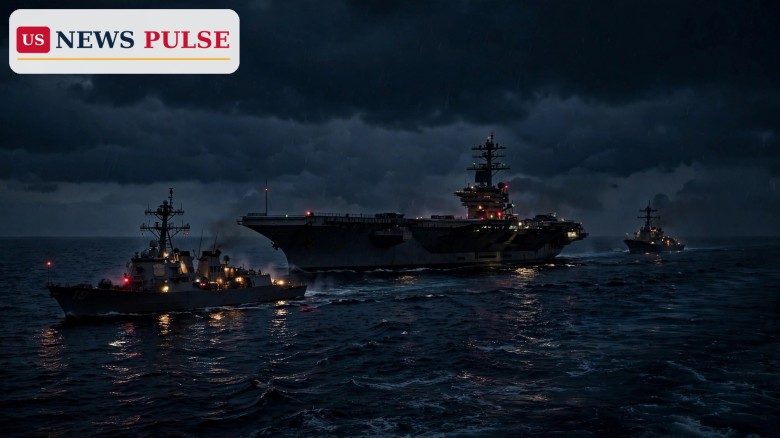
President Donald Trump met with his top national security advisers at the White House on Wednesday and Thursday to weigh whether to resume major military operations against Iran, as US Central Command finalises preparations for a possible return to combat and a moonless night on November 9 approaches. The Trump Iran strikes decision, described by senior officials as imminent but not yet made, comes days after the midterm elections, at the most delicate point of the nine-month war.
Key Points
- Trump held national security meetings on Iran on November 4 and 5, the first since the November 3 midterm elections.
- Central Command is finalising preparations for a possible resumption of combat operations but has no fresh directive.
- November 9 brings a new moon in the Middle East, meaning little to no moonlight, a condition officials called favourable for operations.
- Three options are weighed: fresh strikes, continued economic pressure, or a diplomatic agreement requiring major concessions from Iran.
- The USS Theodore Roosevelt carrier strike group is due in Singapore from Friday and is not expected in Central Command's area before mid-November.
What Happened
Trump discussed Iran with his national security team on two consecutive days, senior US officials told Fox News. Thursday's session, during the president's weekly intelligence briefing, was the first meeting with his top advisers on Iran since voters went to the polls on Tuesday, according to two US officials cited by Axios. The back-to-back meetings signal that a concrete choice about the next phase of the war is near.
Speaking to reporters in the Oval Office on Thursday, Trump made clear that the decision now rests with him. "Now we will make a decision. Do we want to go further" with strikes to ensure Iran's nuclear programme is dead and "it will never happen again?" he said. The remark followed weeks of escalating language, including his warning that he may have to destroy the rest of Iran if no agreement is reached. Central Command, which oversees US forces across the Middle East, is finalising preparations for a potential resumption of major combat operations, a US official said, while stressing that no new order to strike has been issued.
Background: Nine Months of War
The US-Iran war began on February 28, 2026, and is now in its ninth month, swinging between intense fighting and fragile diplomacy, with a naval blockade of Iran, strikes on targets including the Qeshm Island raids, and repeated mediation through Qatar and other Gulf states. Oil prices have surged and fallen with each turn, and shipping through the Strait of Hormuz has been repeatedly disrupted.
Diplomacy has not stopped. Vice President JD Vance said on Monday that Washington has made "progress" in talks with Iran and set no deadline for a deal. On Friday, Trump spoke by telephone with Qatar's Emir Sheikh Tamim bin Hamad Al Thani, who urged continued dialogue, no further escalation and protection of navigation in the Strait of Hormuz. Tehran has sent Washington a nuclear proposal through Doha, and Qatari mediators are discussing a draft under which the US would lift its naval blockade and release some frozen Iranian funds on day one, Iran would invite IAEA inspectors, and the Strait of Hormuz would reopen on day two.
Trump Iran Strikes: Three Options on the Table
According to Axios, the administration is weighing three paths: fresh strikes, aimed at finishing off what Trump has described as Iran's destroyed nuclear programme; continued economic pressure, tightening the blockade and sanctions, hoping Tehran yields without further fighting; or a diplomatic agreement requiring major concessions from Iran, including a verifiable commitment never to rebuild its nuclear programme.
Timing is shaping the choice. November 9 brings a new moon in the Middle East, a period of little to no moonlight that officials described as favourable for military operations. The movement of warships tells a similar story: the USS Theodore Roosevelt carrier strike group is due in Singapore from Friday and is not expected to reach Central Command's area before mid-November, leaving the United States with the forces already in the region for any action in the coming days. Iraq is watching closely: Prime Minister Ali Faleh Al-Zaidi told Trump by telephone on Thursday that Iraqi territory must not be used as a launchpad for strikes on neighbouring countries.
Reactions and Quotes
Trump's own words on Thursday were the clearest public signal of where his thinking stands. "Now we will make a decision. Do we want to go further" with strikes, he said, adding that the aim would be to ensure Iran's nuclear programme is dead and "it will never happen again?" The phrasing left open both war and a deal.
Vance, speaking on Monday, struck a more hopeful note. He said Washington has made "progress" in talks with Iran, that he and Trump "both feel pretty good about the prospects for potentially coming to a negotiated settlement", and that the United States has set no deadline before strikes might resume. He also confirmed he had sent a letter last week to Iran's security chief Mohsen Rezaei. Rezaei met President Vladimir Putin in Moscow on Thursday and afterwards repeated that Tehran will not negotiate until the United States meets its seven conditions.
Why It Matters
The choice Trump faces is the most consequential of the war so far. A new round of strikes could further damage Iran's nuclear facilities, but it would also risk a wider regional conflict, retaliation against US bases and Gulf allies, another oil price spike and fresh disruption of shipping through the Strait of Hormuz. A deal, by contrast, would need Iran to accept terms it has so far rejected, including intrusive inspections and a permanent renunciation of nuclear weapons work. Domestic politics also weigh on the decision: the midterms handed Democrats control of both chambers of Congress, and the new Congress will scrutinise any escalation far more aggressively. Talks are making progress, Vance says, but no deal yet.
What Happens Next
The November 9 new moon opens a window that military planners regard as favourable, and the White House meetings this week suggest a decision could come before or around that date. The carrier clock is also running: if Trump wants the Theodore Roosevelt in place first, any large-scale action would wait until mid-November. The next move should be visible quickly, whether it is a strike, a sanctions announcement or a diplomatic breakthrough.
Frequently Asked Questions
Did Trump decide to strike Iran?
No. Trump said on Thursday that "now we will make a decision" on whether to go further. No fresh directive to resume major combat operations has been issued.
Why does the November 9 new moon matter?
A new moon means little to no moonlight, which officials called favourable for military operations.
What are the three options Trump is weighing?
Fresh strikes, continued economic pressure, or a diplomatic agreement requiring major concessions from Iran.
Is a deal with Iran still possible?
Yes. Tehran has sent a nuclear proposal through Qatar, mediators are discussing a draft under which the blockade would lift and inspectors would return, and Vance says talks are progressing with no deadline. But Iran says it will not negotiate until the US meets its seven conditions.
© 2026 US News Pulse. All rights reserved.
 Print
 Save