
Israel's Herzog: Trump's Aid Cut Hit 'Like a Bolt From the Blue' as Netanyahu Stays Silent
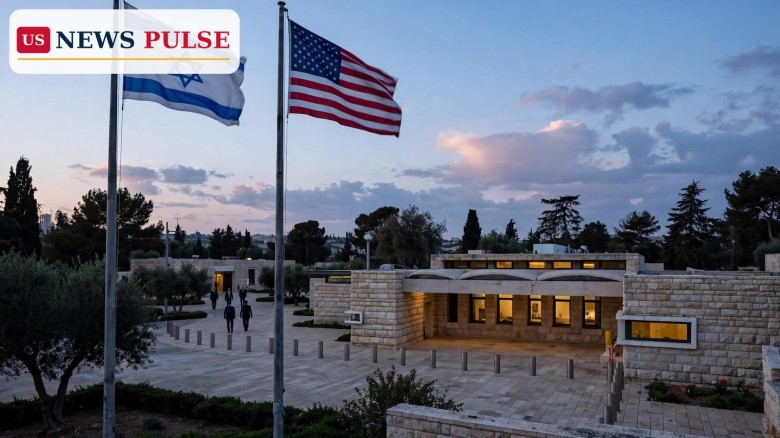
Israeli President Isaac Herzog said on Thursday that President Donald Trump's decision to end nearly $4 billion a year in American military aid to Israel came "like a bolt from the blue," the first public reaction from Israel's head of state to an announcement that stunned Jerusalem.
Herzog told a meeting with the Yashar party, led by opposition leader Gadi Eisenkot, that "the issue of the American aid worries me greatly." He stressed that Israel's memorandum of understanding with the United States is supposed to last until 2028, and that forming a government, not holding repeated elections, is one of the country's major goals.
Key Points
- President Isaac Herzog said President Donald Trump's decision to end US aid to Israel came "like a bolt from the blue" and that the aid issue "worries me greatly."
- Trump announced on Election Day, Tuesday, November 3, 2026, that the US would end aid to Israel, saying he made a deal with Prime Minister Benjamin Netanyahu "months ago" to stop it by the end of 2026.
- The aid is worth nearly $4 billion a year, $3.8 billion annually under a memorandum running to 2028, spent on American weaponry.
- Netanyahu has made no public comment; US Ambassador to Israel Mike Huckabee said he is seeking clarification.
- A June Quinnipiac poll found 48 percent of Americans said the US is too supportive of Israel, 38 percent about right, and 7 percent not supportive enough.
What Happened
Herzog made the remarks in a meeting with the Yashar party as part of his consultations on who should form Israel's next government. It was his first public comment on the aid decision since Trump announced it on Tuesday, and it made clear the announcement had caught Israel's leadership by surprise.
Herzog also used the meeting to press his central message of the week: Israel needs a government, not another election. He is due to announce on Sunday, November 8, whom he will task with forming the next government.
Background and Context
Trump announced the end of the aid on Election Day, Tuesday, November 3, 2026, saying the United States gives Israel nearly $4 billion a year and that he had agreed with Netanyahu "months ago" to stop it by the end of 2026 because Israel "no longer need[s] it." He added that the US would still sell weapons to Israel and help if needed.
The money flows under a memorandum of understanding that provides $3.8 billion a year, almost all of it spent on American weaponry. The agreement runs to 2028, which is why Herzog pointed to it. The original announcement is covered here: Trump says US will stop $4 billion annual funding to Israel by end of 2026.
The October 27 election left no bloc with a majority in the 120-seat Knesset, and Herzog has spent this week consulting party leaders. On Thursday, Eisenkot emerged with 67 recommendations to Netanyahu's 46, as we reported here: Eisenkot wins backing of 67 lawmakers to Netanyahu's 46.
Israel Aid Cut: What the $3.8 Billion Deal Covers
The $3.8 billion a year at the heart of the dispute is military assistance, not general budget support. Under the memorandum of understanding, the money is spent almost entirely on American-made weaponry, from missile defence systems to aircraft and munitions.
Trump's argument is that Israel "no longer need[s] it," resting on Israel's wealth and its own defence industry, now one of the world's largest arms exporters. Supporters of the aid point the other way: Israel is fighting a war with Iran, its missile defences burn through interceptors at enormous cost, and the aid guarantees a steady pipeline of American equipment.
What "ending" the aid means is still unclear: Trump said the US would still sell weapons and help if Israel needed it, leaving open a shift from grants to commercial sales, and Huckabee said he was seeking clarification.
Reactions and Quotes
Herzog's words were the most striking. "It was like a bolt from the blue," he said, and the aid issue "worries me greatly." The president rarely speaks so bluntly about a sitting American president, and doing so in a meeting with Eisenkot's party underlined how seriously the presidency views the decision.
Netanyahu, by contrast, has said nothing in public. The prime minister, who according to Trump agreed the deal "months ago," has made no comment since Tuesday, fuelling questions in Jerusalem about what exactly was agreed. Huckabee said he was looking for clarification and defended military aid.
A June Quinnipiac poll helps explain the move: 48 percent of Americans said the US is too supportive of Israel, 38 percent said about right, and only 7 percent said not supportive enough. Military aid to Israel has grown increasingly unpopular in both parties.
Why It Matters
Herzog's reaction breaks the silence from Israel's leadership and turns a one-sided American announcement into an open question between the two governments. His words make it harder to present the episode as a smooth, agreed transition, and put the memorandum of understanding, supposed to last until 2028, at the centre of the dispute.
It matters for Israel's security, too. The country is in the ninth month of a war with Iran, and the $3.8 billion a year buys the American weapons that keep its defences stocked. A shift from grants to sales would change the cost of the war for Israel, and signal to other allies that the largest pillar of American military support can end by presidential announcement.
What Happens Next
Herzog will announce on Sunday, November 8, 2026, whom he tasks with forming Israel's next government. The chosen candidate will have 28 days, with a possible 14-day extension, to build a coalition.
Clarification from the United States is the other immediate step. Huckabee said he is seeking it: whether the aid stops in full at the end of 2026, whether some programmes continue, and whether the shift is to commercial arms sales. Netanyahu's silence is also unlikely to last: as the prime minister who, on Trump's account, agreed the deal months ago, he will face questions about what was promised and what Israel received in return.
Frequently Asked Questions
What did President Herzog say about the aid cut?
Herzog said the decision came "like a bolt from the blue" and that the aid issue "worries me greatly." He also stressed that Israel's memorandum of understanding with the US is supposed to last until 2028.
How much aid does the US give Israel each year?
Nearly $4 billion a year, $3.8 billion annually under the memorandum, spent almost entirely on American weaponry.
When does the aid stop?
Trump said he agreed with Prime Minister Benjamin Netanyahu months ago to stop the aid by the end of 2026, while adding that the US would still sell weapons to Israel and help if needed.
Has Prime Minister Netanyahu responded to the announcement?
No. Netanyahu has made no public comment since Trump announced it on Election Day, Tuesday, November 3, 2026.
What happens next in Israel?
President Herzog will announce on Sunday, November 8, 2026, whom he tasks with forming the next government. The chosen candidate will have 28 days, with a possible 14-day extension, to build one.
© 2026 US News Pulse. All rights reserved.
 Print
 Save