
Triple Execution Day: Three States Put Three Men to Death on November 5
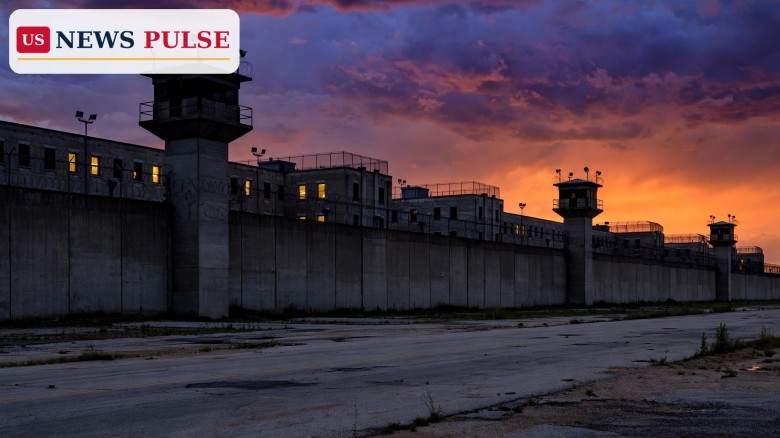
WASHINGTON — Three American states carried out lethal injections within hours of each other on Thursday, November 5, 2026, completing only the second triple execution day in the United States this year — and the first such day in 16 years before 2026. Indiana executed Jeffrey Weisheit shortly after midnight, Florida put Jesse Guardado to death in the early evening, and Alabama executed Michael Shannon Taylor less than an hour later. The three deaths came on the same day California's governor said he would commute every death sentence in his state.
Key Points
- Indiana executed Jeffrey Weisheit, 50, by lethal injection of pentobarbital at 12:45 a.m. on Thursday, November 5, 2026, at Indiana State Prison in Michigan City, for the 2010 murders of two children in a house fire.
- Florida executed Jesse Guardado, 64, by lethal injection at 6:13 p.m. ET at Florida State Prison near Starke, for the 2004 killing of 75-year-old community activist Jackie Malone.
- Alabama executed Michael Shannon Taylor, 54, by lethal injection at 6:10 p.m. CT — 7:10 p.m. ET — for the 1991 beating deaths of Ivan Moore, 83, and Lucille Moore, 79, during a burglary in Gadsden.
- It was only the second triple-execution day of 2026, after August 13, and the first in 16 years before this year.
- Florida's execution was its 19th of 2026, tying the state record set in 2025, and more than half of the 35 US executions this year.
What Happened
The day began just after midnight in Indiana. Jeffrey Weisheit, 50, was executed by lethal injection of pentobarbital at Indiana State Prison in Michigan City and pronounced dead at 12:45 a.m. local time, the Indiana Department of Correction said. He had no last words. It was Indiana's first execution of 2026.
Hours later, Jesse Guardado, 64, was executed in Florida and pronounced dead at 6:13 p.m. ET at Florida State Prison near Starke. Less than an hour after that, Michael Shannon Taylor, 54, was executed in Alabama and pronounced dead at 6:10 p.m. CT — 7:10 p.m. ET. All three states used the same method, a single-drug lethal injection of pentobarbital, and all three went ahead on schedule after final legal challenges failed.
Triple Execution Day: A Rare Convergence
Days on which three people are put to death in the United States are rare. Before this year, the last triple execution day was in 2010 — 16 years ago. The first of 2026 came on August 13, when Alabama, Tennessee and Oklahoma each carried out an execution. Thursday's triple was only the second of the year.
The convergence was scheduling, not coordination: three separate state systems, cases and timelines landed on the same day. Thirty-five people have now been put to death in the United States in 2026, and Florida alone accounts for 19 of them.
Background: The Three Cases
Weisheit was convicted in 2013 of setting a 2010 house fire near Evansville that killed his then-girlfriend's two children, 8-year-old Alyssa Lynch and 5-year-old Caleb Lynch. Court records say he set the fire after becoming enraged at Caleb, and the house was found engulfed in flames the next morning. The children died of smoke inhalation. Appeals, drug shortages and a 15-year pause in Indiana executions pushed the date to Thursday morning. Read our earlier coverage: Indiana executes Jeffrey Weisheit for 2010 murders of two children.
Jesse Guardado was convicted of the 2004 stabbing and beating death of Jackie Malone, a 75-year-old community activist in the Tampa area who had helped him after his release on parole. Guardado had been out of prison for only a short time when he killed the woman who had tried to help him rebuild his life.
Michael Shannon Taylor was convicted of the 1991 beating deaths of Ivan Moore, 83, and Lucille Moore, 79, during a burglary at their home in Gadsden. Taylor's case wound through the courts for decades. It was Alabama's third execution of 2026.
Reactions
The strongest words of the day came from Lisa Lynch, the mother of the two Indiana children. She told the Parole Board last month: "I'm here today to ensure my children's voice are heard, their names are spoken, and their lives are remembered."
Weisheit addressed the board on October 16. "I feel horrible about taking the lives of Alyssa and Caleb. There is no excuse or explanation for what I did," he said. After the execution, Governor Mike Braun said: "Today, Weisheit's sentence has been carried out as ordered by the court."
The same day, California Governor Gavin Newsom announced he would commute all 548 death sentences in his state to life without parole, calling the death penalty "unjust, error-prone, and incompatible with the state's values." Orange County District Attorney Todd Spitzer called the move "mercy for the wolves." Read our report: Newsom commutes all 548 California death sentences to life without parole.
Why It Matters
First, the day captures the split over capital punishment in America. Three states carried out executions on the same day that the state with the largest death row moved to empty it entirely. California has not executed anyone since 2006, yet holds more than 560 people on death row.
Second, the pace: 35 executions in a year, more than half of them in Florida, is a sharp acceleration from the recent past. Third, the Indiana case keeps the spotlight on execution drugs: Weisheit's lawyers fought until hours before his death over the state's pentobarbital supply, after identifying the supplier as a pharmacy on probation ahead of a licence hearing on November 9. See our report: Christa Pike speaks out after surviving Tennessee's botched execution.
What Happens Next
In Indiana, the state Board of Pharmacy will hold a hearing on November 9 on whether to suspend the licence of Pharmaneek Pharmacy Services, the supplier identified by Weisheit's lawyers. In California, some of Newsom's 548 commutations will require review by the California Supreme Court. In Florida, the next execution dates will be watched to see whether the state sets a new record before the year ends.
Frequently Asked Questions
Who was executed on November 5, 2026?
Three men: Jeffrey Weisheit, 50, in Indiana; Jesse Guardado, 64, in Florida; and Michael Shannon Taylor, 54, in Alabama. All three were executed by lethal injection of pentobarbital.
When was the last triple execution day before 2026?
In 2010, 16 years ago. The first of 2026 was August 13, when Alabama, Tennessee and Oklahoma each carried out an execution.
Why was Florida's execution significant?
It was Florida's 19th of 2026, tying the 2025 state record — more than half of the 35 US executions this year.
What crimes were they convicted of?
Weisheit: a 2010 house fire that killed two children in Indiana. Guardado: the 2004 killing of 75-year-old Jackie Malone in Florida. Taylor: the 1991 beating deaths of Ivan and Lucille Moore in Alabama.
What happened in California the same day?
Governor Gavin Newsom announced he would commute all 548 death sentences in California to life without parole. Some commutations require review by the California Supreme Court.
© 2026 US News Pulse. All rights reserved.
 Print
 Save