
Revolution Wind Reaches Full Power as First Large US Offshore Wind Farm
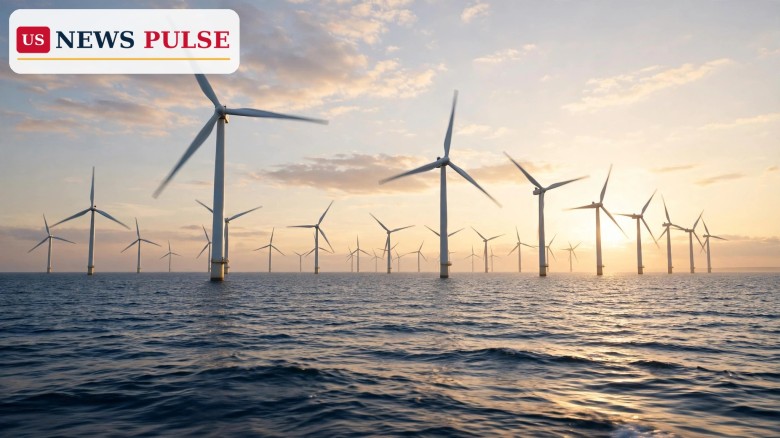
Revolution Wind, the 704-megawatt offshore wind farm off southern New England, has reached full commercial operation, Danish developer Ørsted announced on Thursday, November 5, 2026. It is the first large-scale US offshore wind project to run at full power, a milestone reached after the Trump administration twice ordered construction to stop.
The farm's 65 turbines, about 15 miles south of Rhode Island, can power more than 350,000 homes. Its electricity is already flowing into the New England grid, with 400 megawatts contracted to Rhode Island and 304 megawatts to Connecticut. Ørsted says the project should save ratepayers about $500 million a year by 2028.
Key Points
- Revolution Wind, a 704-megawatt Ørsted and Skyborn Renewables joint venture, is fully operational, the first large US offshore wind farm to reach full power.
- The 65-turbine project sits about 15 miles south of Rhode Island and can power more than 350,000 homes.
- It began feeding the grid in March 2026, installed its final turbine in September, and reached full commercial operation in October.
- The Trump administration twice ordered work to stop, in August and December 2025, citing unspecified national security concerns; legal challenges continue.
- The project is expected to save ratepayers about $500 million a year by 2028 and meet about 20 percent of Rhode Island's electricity demand.
What Happened
Ørsted confirmed the milestone in its third-quarter earnings call on Thursday, November 5, 2026, closing a construction chapter that survived two federal stop-work orders, a court fight, and months of political uncertainty.
The project had already been sending electricity to the grid since March 2026, as turbines were installed and connected in stages. Workers set the final turbine in place in September, and the farm reached full commercial operation in October, meaning all 65 Siemens Gamesa turbines were generating power under their long-term contracts.
Background and Context
Revolution Wind is a $5 billion to $6.2 billion joint venture between Ørsted and Skyborn Renewables, built in federal waters off southern New England, where steady Atlantic winds make it one of the best offshore wind sites on the American coast. Its power is split between the two states under contracts signed years before construction began.
The project ran into trouble in August 2025, when the Trump administration's Interior Department ordered work to stop, citing unspecified national security concerns. A second stop-work order followed in December 2025. Construction continued through the legal challenges that followed, and in October 2026 the Justice and Interior departments asked a federal court to send the project's plan back for review. Those challenges are still open, even as the turbines now spin at full capacity.
Revolution Wind and What the Project Delivers
At full power, Revolution Wind generates 704 megawatts, enough for more than 350,000 homes. Rhode Island takes 400 megawatts and Connecticut 304 megawatts. The project should meet about 5 percent of Connecticut's electricity demand and about 20 percent of Rhode Island's, a substantial share for a small state.
The financial case rests on long-term contracts. Ørsted says Revolution Wind should save ratepayers about $500 million a year by 2028, as its contracted power displaces more expensive electricity on the regional grid. That figure will be watched by other states weighing offshore wind deals, since the savings argument is central to the industry's pitch that wind can cut household bills as well as emissions.
The experience gained building Revolution Wind is already being applied to Ørsted's next project, the 924-megawatt Sunrise Wind farm off New York, which has all of its foundations installed, is about 60 percent complete, and is due to come online in the second half of 2027.
Reactions and Quotes
Ørsted presented the completion as a straightforward business milestone in its earnings call, confirming the farm is fully operational and selling power to utilities in both states. It has announced no change to its plans for Sunrise Wind, which continues on schedule.
The Trump administration has not commented publicly on the completion. Its position, set out in the stop-work orders and the October court filing, is that the project's approvals should be re-examined on national security grounds, though it has not specified what those concerns are. The October request to send the construction and operations plan back for review means the legal fight over the project is not over, even though the turbines are now running.
Why It Matters
Revolution Wind matters because it is the first large offshore wind farm in the United States to reach full power, and it did so against direct federal opposition. Its completion shows that a financed, contracted project can still cross the line despite opposition from Washington, a precedent that will shape every offshore wind project now in development along the Atlantic coast.
It also matters for electricity prices in New England, which has some of the highest power prices in the country and a grid that depends heavily on natural gas. A 704-megawatt source that costs nothing to fuel, locked in under long-term contracts, is a meaningful addition to supply. If the projected $500 million a year in ratepayer savings materialises by 2028, it will strengthen the case for the next round of offshore wind contracts.
What Happens Next
The legal challenges will continue. The Justice and Interior departments' October request to send the project's plan back for review is still before a federal court, and its outcome could affect how the farm operates. For now, the turbines keep turning and the power keeps flowing under the existing contracts.
Attention now turns to Sunrise Wind, Ørsted's 924-megawatt project off New York, due in the second half of 2027 with all foundations installed and construction about 60 percent complete. Its progress will show whether Revolution Wind was a one-off success or the start of a run of completed American offshore wind farms.
Frequently Asked Questions
What is Revolution Wind?
A 704-megawatt offshore wind farm about 15 miles south of Rhode Island, built by Ørsted and Skyborn Renewables. Its 65 turbines can power more than 350,000 homes, with 400 megawatts contracted to Rhode Island and 304 megawatts to Connecticut.
Why is its completion a milestone?
It is the first large-scale US offshore wind project to reach full commercial operation, and the third utility-scale offshore wind farm in the country to do so, after South Fork Wind and Vineyard Wind.
Why did the Trump administration try to stop it?
The Interior Department twice ordered work to stop, in August and December 2025, citing unspecified national security concerns. In October 2026 the Justice and Interior departments asked a federal court to send the project's plan back for review.
Is the project finished, or are legal challenges still open?
The farm is fully built and operating at full power, but the legal challenges continue, and the October court request is still pending.
What comes next for American offshore wind?
Ørsted's 924-megawatt Sunrise Wind farm off New York is about 60 percent complete and due in the second half of 2027. Its progress, and the Revolution Wind court case, will shape the industry's future.
Related coverage: Global markets slide as Nasdaq enters correction and Australia raises rates to 4.85% and Wall Street rally as Dow jumps 1,203 points after Democrats take over Congress.
© 2026 US News Pulse. All rights reserved.
 Print
 Save