
Missouri Amendment 6 Passes, Shielding Citizen Initiatives as Democrats Break GOP Supermajority
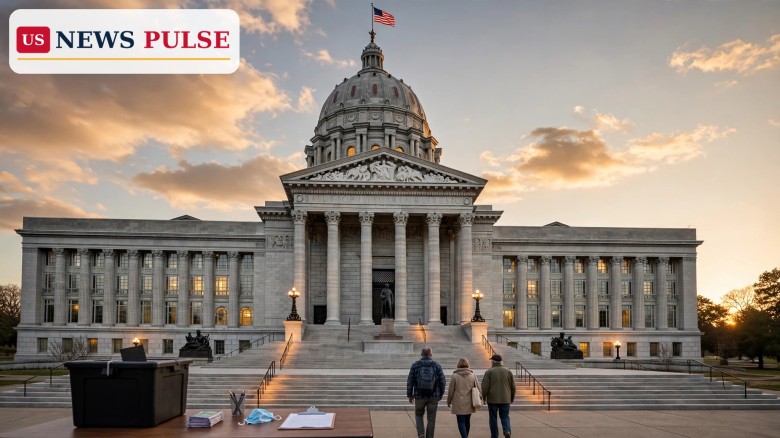
Missouri voters have given citizen-led ballot measures the strongest protection in state history. Missouri Amendment 6 passed on Tuesday, November 3, 2026, with 59.97 percent of the vote, making initiative and referendum rights a fundamental constitutional right and limiting lawmakers' power to rewrite laws voters approved.
With all 3,214 precincts reporting, 1,251,555 Missourians voted yes and 835,585 voted no, according to unofficial results. Democrats also broke the Republican two-thirds supermajority in the legislature, winning 16 State House seats, including Democrat Keri Ingle's defeat of outgoing House Speaker Jon Patterson.
Voters also rejected Amendment 3, which would have repealed the 2024 abortion-rights amendment, 55.5 percent to 44.5 percent, and rejected Proposition A, the 2025 congressional map referendum, by more than 61 percent.
Key Points
- Missouri Amendment 6 passed with 59.97 percent of the vote on November 3, 2026: 1,251,555 yes votes to 835,585 no votes.
- The measure makes initiative and referendum rights a fundamental constitutional right in Missouri.
- Lawmakers now need at least 80 percent approval in both chambers, plus another statewide vote, to change a law or amendment enacted by citizen initiative.
- Democrats won 16 State House seats, breaking the Republican two-thirds supermajority in both chambers for the first time in years.
- Voters also rejected Amendment 3, keeping the 2024 abortion-rights amendment, and rejected Proposition A, the 2025 congressional map referendum, by more than 61 percent.
What Happened
Missouri voters went to the polls on Tuesday, November 3, 2026, and the ballot measures drew some of the closest attention of the night. Amendment 6, which asked voters to lock in the power of citizen initiatives, passed by almost 20 points.
The measure makes the right to propose laws and constitutional amendments by initiative, and to challenge laws by referendum, a fundamental right under the Missouri Constitution. That raises the legal bar for any future attempt to restrict the process.
It also restrains the legislature: to change a voter-approved law or amendment, lawmakers must win at least 80 percent approval in both chambers and then win a second statewide vote. The protection covers initiatives approved since January 1, 2010, including marijuana legalisation, and courts may now revise misleading ballot summaries. Signature rules and the simple-majority threshold are unchanged.
Background and Context
Missouri has one of the oldest citizen-initiative traditions in the United States. For more than a century, voters have bypassed the legislature to put questions directly on the ballot.
In recent years the process produced the state's biggest policy changes: Medicaid expansion in 2020, recreational marijuana in 2022, and abortion-rights protections in 2024, all in a state whose politics lean Republican.
Each victory brought tension with the legislature. Republican lawmakers, holding supermajorities in both chambers, repeatedly moved to change or unwind voter-approved measures and to make the initiative process harder to use. Amendment 6 was written as an answer: instead of one more policy, it asked voters to protect the tool itself.
Missouri Amendment 6: What the Measure Does
At its core, Amendment 6 does three things. It elevates initiative and referendum rights to fundamental constitutional rights. It sets a very high bar for changing voter-approved measures: an 80 percent vote in each chamber, then a second statewide vote. And it reaches back to January 1, 2010.
That retroactive reach covers the marijuana legalisation measures, which lawmakers had tried to roll back. The measure also lets courts revise misleading ballot summaries, a recurring source of court fights. It leaves signature requirements and the simple-majority rule untouched.
Reactions and Quotes
Supporters of the initiative process welcomed the result as a defence of voters' right to make their own laws. For them, the nearly 20-point margin showed Missourians want the final word on major policy questions to rest with voters, not the legislature.
For Democrats, the night was a breakthrough: breaking the supermajority means Republicans can no longer override a governor's veto or send constitutional amendments to the ballot alone. The defeat of Speaker Patterson by Ingle underlined the shift, and the rejection of Amendment 3 kept the 2024 abortion-rights protections in place.
Why It Matters
Amendment 6 changes Missouri's balance of power for years to come. Requiring an 80 percent legislative vote plus a second public vote before any voter-approved measure can change effectively locks in the results of citizen initiatives.
It also matters beyond Missouri. Republican-led legislatures in other initiative states have moved to restrict the process, and voting-rights advocates watched Missouri as a test case. A 60 percent vote to protect direct democracy, in a Republican-leaning state, is a strong signal.
What Happens Next
The results remain unofficial until certified by local election authorities and the Missouri secretary of state, but with all 3,214 precincts reporting and a margin above 400,000 votes, the outcome is not in doubt.
Attention now turns to how the new rules work in practice, including the courts' power to revise ballot summaries, and to a legislature that opens its next session with a new balance of power and new House leadership.
Frequently Asked Questions
What is Missouri Amendment 6?
Amendment 6 is a constitutional amendment approved November 3, 2026. It makes initiative and referendum rights a fundamental constitutional right and limits how lawmakers can change laws approved by citizen initiative.
By how much did Amendment 6 pass?
It passed with 59.97 percent: 1,251,555 yes votes to 835,585 no, with all 3,214 precincts reporting, according to unofficial results.
What does the 80 percent rule mean?
Lawmakers must win at least 80 percent approval in both chambers, then win a second statewide vote, before changing a voter-approved law or amendment.
Did Democrats break the Republican supermajority in Missouri?
Yes. They won 16 State House seats, breaking the Republican two-thirds supermajority in both chambers for the first time in years, and Keri Ingle defeated Speaker Jon Patterson.
What happened to Amendment 3 and Proposition A?
Voters rejected Amendment 3, keeping the 2024 abortion-rights amendment, 55.5 to 44.5 percent, and rejected Proposition A, the 2025 congressional map referendum, by more than 61 percent.
Related coverage: Abortion Rights Win in Nevada, Virginia and Missouri in 2026 Midterm Results | Young Voters Swung Hard Left in 2026 Midterms as 7 in 10 Backed Democrats | William Lawrence Defeats Tom Barrett, Flipping Michigan's 7th District
© 2026 US News Pulse. All rights reserved.
 Print
 Save