
Bahrain Crackdown on Clerics: 50 Arrested and 69 Stripped of Citizenship
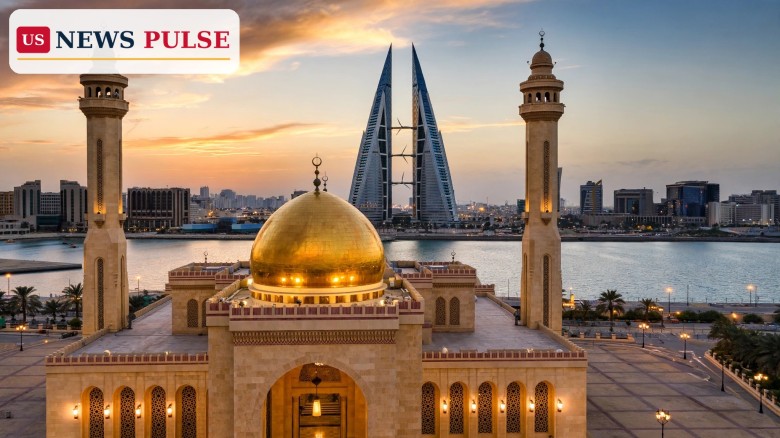
Bahrain has launched a sweeping crackdown on Shi'ite Muslim clerics, arresting more than 50 religious leaders and stripping 69 citizens of their nationality, after Iran's attacks during the US-Israel war exposed how deeply the conflict has shaken the tiny Gulf kingdom that hosts the US Navy's Fifth Fleet.
The arrests, carried out between May and June, were revealed in a Reuters report published on Friday, November 6, 2026. On the same day, 20 rights groups including Human Rights Watch accused Bahraini authorities of torture, coerced confessions and religious persecution. A verdict in the clerics' case is expected on Sunday, November 8.
Key Points
- Bahraini authorities arrested more than 50 Shi'ite clerics and religious orators between May and June 2026, accusing them of running a terrorist group that sought to incite rebellion with help from Iran's Islamic Revolutionary Guard Corps.
- Around a dozen people have been sentenced to between five and 10 years in prison for allegedly expressing support for Iran's attacks, and critics say 69 citizens of Iranian heritage have been stripped of citizenship.
- Lt. Gen. Tariq Al Hassan, head of Bahrain's Public Security agency, told Reuters: "We are confronting an ideology that demands obedience to Iran's leadership above Bahrain's sovereign authority."
- On Friday, November 6, 20 rights groups including Human Rights Watch and the Bahrain Institute for Rights and Democracy alleged torture, coerced confessions and due-process violations in the case.
- A verdict is expected on November 8, and the kingdom is bracing for potential protests after the crackdown reversed a detente that freed hundreds of political prisoners in 2024.
What Happened
When the United States and Israel launched the war against Iran on February 28, 2026, Tehran answered by raining drones and missiles on neighbouring Gulf states, including Bahrain. For Bahraini authorities, the strikes were worryingly accurate. One hit a hotel shortly after US military personnel arrived there after fleeing their base, home of the US Navy's Fifth Fleet, Western diplomats and Gulf officials told Reuters.
Officials were further alarmed by social media posts from some Bahrainis praising attacks seen as targeting US interests after US strikes killed Iran's supreme leader. For many Shi'ites, Iran's supreme leader is also a spiritual guide under the strand known as Wilayet al-Faqih, or the Guardianship of the Jurist, Iran's official ideology. Bahrain's government suspected inside targeting help and saw the public backing as treasonous.
Prosecutors accuse the arrested clerics of trying to run a terrorist group that sought to incite rebellion and overthrow the ruling order, promoting followers' subordination to Iran's supreme leader. Their relatives and lawyers say the authorities are trying to criminalise belief, and deny the charges that they sought to overthrow the state or acted on behalf of Iran.
Background and Context
Bahrain is the smallest Gulf nation, lying just across the water from Iran, and it has long been anxious about Iranian influence. It is the only Gulf country ruled by a Sunni Muslim family but populated mostly by Shi'ites, and officials have framed the crackdown in existential terms, saying Iran seeks to undermine and ultimately topple the leadership.
The crackdown has reversed a trend of detente. The government freed hundreds of prisoners jailed for political activity through royal pardons in 2024, and the same year Bahrain and Iran began talks to restore diplomatic relations severed since 2016. Now divisions are deepening among some Shi'ite Muslims who say they are oppressed for their beliefs. Bahrain denies targeting Shi'ite citizens, "most of whom are law-abiding and loyal citizens," Al Hassan said. The war has also put a harsh spotlight on the US military presence in Bahrain, as covered here: Hegseth faces demands over Bahrain evacuation as Democrats plan post-midterm probe.
Bahrain Crackdown on Clerics: Allegiance, Loyalty and the Line Between Faith and Treason
At the heart of the case is a question Bahrain has wrestled with for decades: where does religious devotion end and political allegiance begin? "Unfortunately, the war exposed the extent to which some individuals had been hijacked and indoctrinated by Iran-linked ideology," Al Hassan said. "Wilayet al-Faqih has fostered allegiance to a foreign state within parts of our society, and that is unacceptable."
A relative of one of the clerics on trial, speaking anonymously, told Reuters: "They are directly targeting Shi'ites in the country and anyone who criticises the Americans or the Israelis for the war they have launched." A Manama-based researcher cautioned that authorities must distinguish between Shi'ite identity and Wilayet al-Faqih, saying Bahrain's strongest answer is "a sovereign state in which religious freedom is secure for all." The diplomatic fallout continues to shape the region, as covered here: Axios report: Trump could act boldly on Iran if he feels embarrassed by a bad midterm result.
Reactions and Quotes
The rights groups' statement on Friday was blunt: "This mass prosecution raises serious concerns about religious persecution targeting the religious life and leadership of Bahrain's Shia community," the 20 groups said. Iran's UN mission did not immediately respond to a request for comment. Bahrain has also intermittently restricted Friday prayers at key Shi'ite mosques for years and limited processions marking a key Shi'ite commemoration in June.
Why It Matters
The crackdown matters because Bahrain is where the Iran war's regional consequences are most visible. The kingdom hosts the Fifth Fleet headquarters, making it a frontline state in any confrontation with Tehran, yet it never supported the war and has paid a heavy price, from the evacuation of American military families to the missile strikes that exposed its vulnerability. Stripping 69 citizens of nationality and prosecuting dozens of clerics could also harden sectarian feeling in a country where memories of the crushed 2011 Arab Spring protests remain fresh.
What Happens Next
The immediate focus is Sunday, November 8, when a verdict is expected and the kingdom is bracing for potential protests. Beyond that, the longer question is whether the crackdown becomes a template or a warning for other Gulf states that absorbed Iranian strikes, and whether the detente of 2024, with its prisoner releases and restored talks with Tehran, can ever be revived.
Frequently Asked Questions
How many clerics were arrested in Bahrain?
More than 50 Shi'ite clerics and religious orators were arrested between May and June 2026, accused of running a terrorist group that sought to incite rebellion with help from Iran's Revolutionary Guard Corps.
How many people lost their citizenship?
Critics say 69 citizens of Iranian heritage have been stripped of citizenship, and around a dozen people have been sentenced to between five and 10 years in prison.
Why did Bahrain launch the crackdown?
Authorities say Iran's attacks were worryingly accurate, including a strike on a hotel shortly after US military personnel arrived, and that some Bahrainis publicly praised attacks on US interests.
What do rights groups say?
Twenty groups including Human Rights Watch alleged torture, coerced confessions and due-process violations, calling the case a serious concern about religious persecution of Bahrain's Shia community.
When is the verdict expected?
A verdict in the clerics' case is expected on Sunday, November 8, 2026, and the kingdom is bracing for potential protests.
© 2026 US News Pulse. All rights reserved.
 Print
 Save