
Seafarer Killed in Suspected Missile Strike on Tanker Velos Sapphire in the Gulf
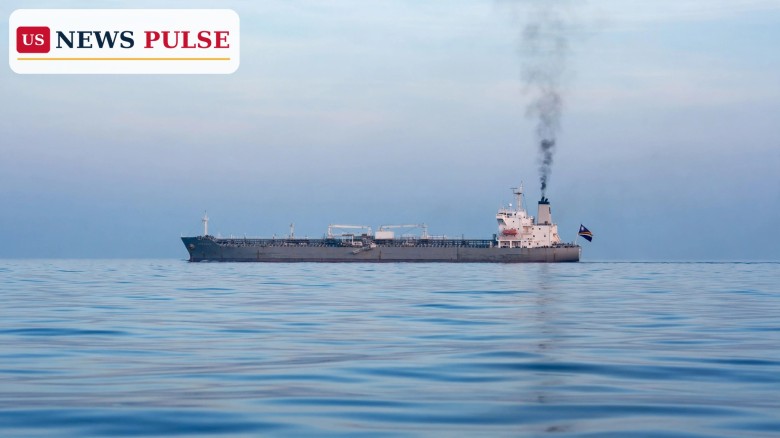
One seafarer was killed when a suspected missile struck the oil products tanker MT Velos Sapphire in the Gulf on Thursday, the latest deadly attack on commercial shipping as the war between the United States and Iran enters its ninth month. The Marshall Islands-flagged tanker was sailing unladen towards Bahrain when an unidentified projectile hit its port quarter early on Thursday, sparking a fire the crew extinguished. Greek management firm Velos Tankers confirmed the death on Friday, November 6, 2026.
Key Points
- One seafarer was killed in an explosion believed to have been caused by a missile attack on the Marshall Islands-flagged tanker MT Velos Sapphire in the Gulf on Thursday, November 5, 2026.
- The tanker was sailing unladen towards Bahrain when an unidentified projectile struck its port quarter and started a fire the crew put out.
- The dead crew member, whose nationality has not been given, was first reported missing and later found fatally injured on board; no other crew were injured and no pollution was reported.
- The vessel has reached Bahrain's Khalifa Bin Salman Port, where an investigation will be launched and the hull damage is still being assessed.
- The cause of the explosion has not been established and no attacker has been identified.
What Happened
The attack took place early on Thursday, November 5, 2026, while the MT Velos Sapphire was sailing unladen towards Bahrain. According to Velos Tankers, the Greek firm that manages the vessel, an unidentified projectile struck the tanker's port quarter, setting off an explosion and a fire. The crew fought the fire and brought it under control, but one seafarer was first reported missing in the aftermath of the blast and was later found fatally injured on board.
No other crew were hurt and there were no reports of pollution. The tanker continued to Bahrain's Khalifa Bin Salman Port, where it arrived for an investigation; the hull damage was still being assessed on Friday. The nationality of the seafarer who died has not been disclosed, and no group or state has been identified as responsible.
Background and Context
The strike is the latest in a run of attacks on commercial shipping in and around the Gulf since the Middle East war broke out on February 28, 2026. Tehran has sought to limit traffic through the Strait of Hormuz, the narrow waterway that normally carries about one-fifth of global oil consumption, and the United States has responded by imposing a blockade on Iranian ports and escorting tankers through the strait.
On Thursday, Iranian media reported that five oil tankers and a tugboat caught fire after hitting mines in the Strait of Hormuz. On Friday, Iran's Revolutionary Guards said two more oil tankers were on fire there, a claim that has not been independently confirmed. US Central Command said last month that it had helped Gulf countries export 1.5 billion barrels of oil through Hormuz since the summer.
The Velos Sapphire Tanker Attack
The Velos Sapphire is an oil products tanker flagged in the Marshall Islands and managed by Velos Tankers of Greece. It was travelling empty, without cargo, towards Bahrain's port of Sitra when it was hit, which means the strike caused no oil spill and no cargo loss.
Attacks on shipping in the Gulf have followed a pattern in recent months: vessels struck near the Strait of Hormuz or in the Gulf itself, often with the weapon and the attacker left unidentified for days. The Velos Sapphire strike fits that pattern. The projectile hit the port quarter, the rear left side of the ship, early in the morning, and the crew's first task was to fight the fire and account for everyone on board. Only after the fire was out did the missing seafarer turn out to have been killed in the blast.
Reactions and Statements
Velos Tankers confirmed the death in a statement on Friday. "The company is greatly saddened to report the death of one of its seafarers, who was found fatally injured on board after having initially been reported missing in the aftermath of the explosion," it said. The company added that there were no other injuries among the crew, who extinguished the fire, and no reports of pollution.
Bahrain has not yet commented publicly on the incident, and no details of the investigation at Khalifa Bin Salman Port have been released. No government has blamed any party for the strike, and Iran has not commented on the Velos Sapphire specifically.
Why It Matters
A seafarer has now been killed in an attack on a merchant ship in the Gulf, the first such death in this phase of the shipping war to be confirmed by a ship's manager. Until now, the tanker attacks in and around the Strait of Hormuz have damaged vessels and disrupted trade without taking a crew member's life. That line has now been crossed.
The strike also shows the danger is spreading beyond the strait. The Velos Sapphire was hit in the Gulf while heading for Bahrain, not while transiting the narrow channel where most recent incidents have happened. If tankers are unsafe even on the approach to Gulf ports, the cost of keeping the region's oil moving will rise, and so will the pressure on governments to protect the shipping lanes or end the war.
What Happens Next
The investigation at Khalifa Bin Salman Port will be the first step towards establishing what hit the Velos Sapphire. Inspectors will examine the hull damage and any debris recovered from the vessel, which may show whether the projectile was a missile, a drone or something else. That finding, if made public, could shape how governments respond.
The attacks are likely to continue while the war drags on and talks stall. Vice President JD Vance said this week that Washington has made progress in talks with Iran and has set no deadline for a deal, but there is no ceasefire at sea. Read more about the latest Hormuz incidents in our report on Iran's claim that two more tankers caught fire in the Strait of Hormuz, and about the wider war in our report on the US strikes on Iran's Qeshm Island and Vance's remarks on the Iran talks.
Frequently Asked Questions
What happened to the MT Velos Sapphire?
An unidentified projectile struck the Marshall Islands-flagged oil products tanker in the Gulf early on Thursday, November 5, 2026, causing an explosion and a fire. One seafarer was killed; the rest of the crew were unhurt and the ship reached Bahrain.
Who was killed?
One seafarer, whose nationality has not been disclosed. He was first reported missing, then found fatally injured on board.
Who attacked the tanker?
No attacker has been identified, and the cause of the explosion has not been established. Velos Tankers said the blast is believed to have been caused by a missile attack.
Where is the ship now?
The Velos Sapphire has been taken to Bahrain's Khalifa Bin Salman Port, where an investigation will be launched and the hull damage is still being assessed.
Was there an oil spill?
No. The tanker was sailing unladen towards Bahrain, and Velos Tankers reported no pollution from the vessel.
© 2026 US News Pulse. All rights reserved.
 Print
 Save