
Trump's Russian Diesel Deal Falters as Tankers Turn Away From US Ports
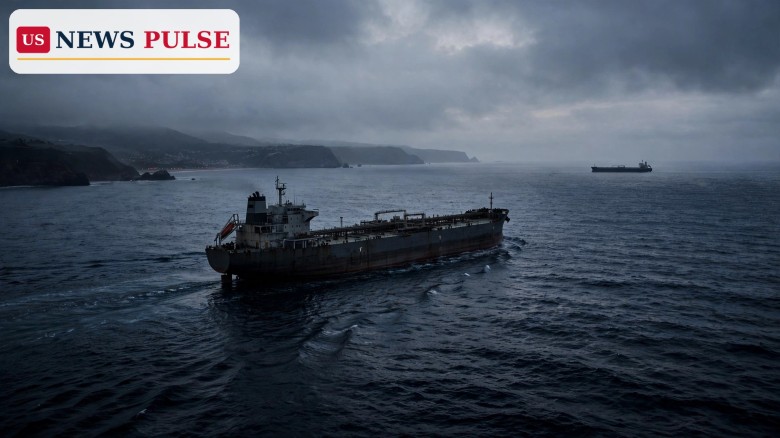
President Donald Trump's plan to bring Russian diesel into the United States appeared to be unravelling this week, after two tankers carrying the fuel turned away from the American Atlantic coast amid warnings of serious legal consequences for handling them. By Thursday, November 5, neither vessel originally bound for the United States was still heading there, and a third ship bound for New York had changed its destination to "for orders". The deal has yet to produce a confirmed delivery to an American port.
Key Points
- Two tankers loaded with Russian diesel at Primorsk in October — the Talisman and the Leruo — turned away from the US coast by Thursday, November 5.
- The Talisman, on US, UK and EU sanctions lists, waited in the Mediterranean off Algeria signalling "awaiting orders"; the Leruo turned toward Brazil.
- A third vessel, the Greek-owned Agioi Fanendes, was still in the North Atlantic but changed its destination from New York to "for orders".
- New Jersey Governor Mikie Sherrill warned port operators on November 2 that profiting from the trade would bring "harsh penalties", and senators from both parties urged Trump to cancel the deal.
- Treasury insists its sanctions exemption is lawful; no court has ruled on it.
What Happened
The Talisman and the Leruo both loaded at Primorsk in October and declared the US Atlantic coast as their destination. By Thursday, November 5, Kpler and MarineTraffic data showed both had turned away: the Leruo, flagged in Sierra Leone, was heading toward Brazil, and the Talisman waited in the Mediterranean off Algeria signalling "awaiting orders".
The third vessel, the Greek-owned Agioi Fanendes, carrying about 40,000 tonnes of diesel, was still in the North Atlantic. But its listed destination was no longer New York — it was "for orders", leaving it unclear where, or whether, it would unload. "Because of regulatory, sanctions concerns, we may not see this cargo discharge on the US Atlantic coast," Kpler analyst Matt Smith said.
The diversions followed warnings that the shipments could break American law. On November 2, Governor Sherrill wrote to New Jersey port and terminal operators, advising them to turn the ships away. "Any effort to profit from the illegal trade in Russian fuel will be met with harsh penalties," she wrote. Senators from both parties urged Trump to cancel the deal, saying the United States "should not provide Putin with a financial lifeline", and lawmakers warned banks, ports and fuel distributors of possible civil or criminal liability.
Background: How the Diesel Deal Took Shape
Trump announced the arrangement with Vladimir Putin on October 9, saying it would make more than 300,000 metric tons of Russian diesel available immediately. US diesel inventories had fallen below 100 million barrels, their lowest in more than 20 years, and diesel prices were at record highs during the war with Iran, which began in February.
Treasury issued a sanctions exemption — a general licence from the Office of Foreign Assets Control — covering Russian diesel until April 7. But it collided with the Ending Importation of Russian Oil Act, passed by Congress in 2022 after Russia's invasion of Ukraine, which bans Russian oil imports and can only be lifted by presidential certification and a 90-day congressional review. Critics said the licence could not override a statute; the administration says it was lawful, and no court has ruled.
Then, on November 5, Trump appeared to open the door to a rethink. Asked in the Oval Office about a tanker carrying Russian diesel across the Atlantic, he said he would "take a look" at the 2022 import ban, calling it "probably" a bad law — though he announced no policy change and set no timetable. Read more: Trump questions fuel import ban
Russian Diesel and the Legal Standoff
At the heart of the standoff is a clash between two instruments of policy. On one side stands the Treasury Department's general licence, which the department said on Thursday was "in compliance with all applicable laws". On the other stands the 2022 congressional ban, which lawmakers and state officials say remains in force regardless of the licence. Governor Sherrill's letter to New Jersey operators, including Kinder Morgan and Phillips 66, was blunt: Russian fuel imports break federal law, and the state would act against anyone who profited.
The senators who urged Trump to cancel the deal framed it as a matter of principle: buying Russian diesel would hand money to Vladimir Putin's government while the US fights a war in the Middle East. For shipowners, insurers and port operators, the conflicting signals from Washington and the warnings from states and Congress appear to have been enough to change course.
Reactions: What Officials and the Kremlin Are Saying
The Kremlin dismissed the reports. Kirill Dmitriev, the Russian president's envoy, wrote on X that the diversions were "Fake. Tankers destined for the US continue on course." The tracking data told a different story: the Talisman and the Leruo were on new headings, and the Agioi Fanendes was no longer bound for New York. In Washington, the Treasury Department stood by the exemption. The White House has not said whether Trump will act on his remark that he would "take a look" at the import ban. Read more: Sherrill warns New Jersey ports
Why It Matters
The faltering deal leaves the original problem unsolved: American diesel inventories remain at their lowest in more than two decades, and prices are still at record highs, with no Russian cargo delivered to ease them. It also exposes a fault line inside the administration's policy — a Treasury licence that says the trade is legal, a statute that says it is not, and a president who now says he will "take a look" at the law itself. If the tankers never dock, the deal will have delivered neither cheaper diesel nor a sanctions victory.
What Happens Next
All eyes are now on the Agioi Fanendes. If it, too, turns away or waits indefinitely for orders, the deal will effectively be dead in the water, with no delivery and no obvious path to one. The Treasury exemption runs until April 7, so imports remain legally possible unless a court intervenes or Congress acts. For now, the tankers — and the deal — are adrift.
Frequently Asked Questions
What is the Russian diesel deal?
An arrangement announced by Donald Trump on October 9, 2026, with Vladimir Putin, to make more than 300,000 metric tons of Russian diesel available to the US, backed by a Treasury exemption until April 7, 2027.
Why did the tankers turn away?
Tracking data showed both tankers changing course by November 5, after officials warned that handling the shipments could bring civil or criminal liability.
Is importing Russian diesel illegal?
That is disputed. Treasury says its exemption is lawful, but the 2022 Ending Importation of Russian Oil Act bans Russian oil imports, and Governor Sherrill and senators from both parties say the exemption cannot override the statute. No court has ruled.
Has any Russian diesel reached the US?
No. The deal has yet to produce a confirmed delivery to an American port, and all three tankers have now changed course or changed their destination to "for orders".
© 2026 US News Pulse. All rights reserved.
 Print
 Save