
Oman and Iran Seek Lasting Deal to Reopen Strait of Hormuz Shipping Lanes
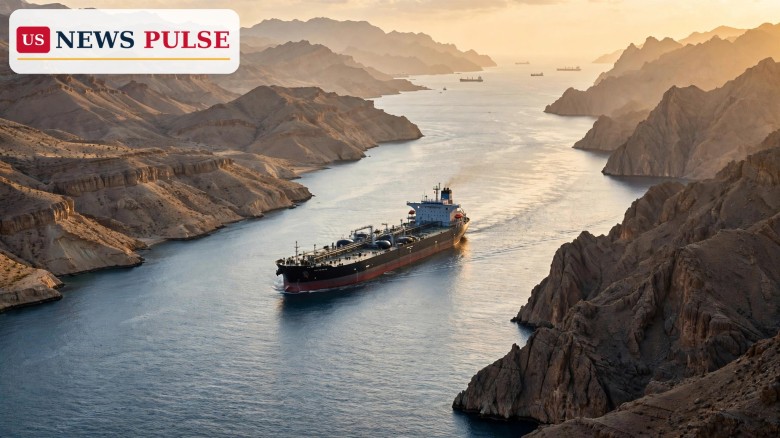
Muscat — Oman and Iran have agreed to pursue lasting understandings to restore safe shipping through the Strait of Hormuz and end the state of war in the region, in the clearest sign yet that diplomacy is gaining ground after eight months of conflict.
The agreement came in a telephone call on Thursday, November 5, 2026, between Omani Foreign Minister Sayyid Badr bin Hamad Al Busaidi and his Iranian counterpart, Seyed Abbas Araghchi. The two ministers reviewed the latest contacts and talks aimed at resuming navigation through the strait without hindrance, according to the Oman News Agency.
Key Points
- Oman and Iran agreed to work toward lasting understandings to secure maritime navigation through the Strait of Hormuz, end the state of war and prevent renewed confrontation.
- Any understandings would rest on practical arrangements for corridor safety and joint technical mechanisms to keep trade and energy flowing.
- The arrangements must respect state sovereignty and the legitimate interests of all parties, and create conditions for renewed dialogue.
- No new transit rules or safe corridor have been announced. Until something is formally agreed, current UKMTO and Joint Maritime Information Centre guidance still applies.
- The call came the same day the Islamic Revolutionary Guard Corps said three vessels caught fire in the strait overnight, as monitors reported four attacks on shipping there in 96 hours.
What Happened
According to the Oman News Agency, Al Busaidi and Araghchi stressed the importance of consolidating sustainable understandings to ensure maritime security, end the state of war and prevent renewed confrontations. The report, also carried by Xinhua, said the understandings should rest on practical arrangements for corridor safety and joint technical mechanisms to keep trade and energy flowing.
The two sides agreed to maintain consultations and coordination and to support diplomatic efforts aimed at regional security and stability. The language is deliberately careful: nothing in the announcement amounts to a signed deal, a timetable or a set of transit rules. What it does amount to is a shared public commitment, from Muscat and Tehran, to keep working toward one.
Background: Eight Months of War in the Strait
Shipping through the Strait of Hormuz has been largely disrupted since the US-Israeli attacks on Iran began on February 28, 2026. Maritime traffic remains significantly below pre-conflict levels, and the strait — carrying about one-fifth of the world's traded oil — has become the central pressure point of the conflict.
The Oman-Iran call is the latest turn in a fast-moving diplomatic sequence. Tehran has put forward a seven-day plan, carried to Washington by Qatari mediators, under which the United States would take steps in the first five days and Iran would reopen the strait on day six. A draft framework reported at the end of October envisaged Iranian uranium moved abroad or enrichment reduced, with US sanctions relief following in phases. Read more: Iran's seven-day Hormuz plan
Qatari mediators have spent long hours in Tehran and Doha, while Washington has sent mixed signals. Vice President JD Vance said on November 2 that the United States had made progress in talks with Iran and set no deadline for a deal, and President Donald Trump said a deal was coming together very nicely. Brent crude fell 7.6 percent on November 2 to $104.77 a barrel, then rebounded to about $106.57 after US strikes on Qeshm Island. Read more: US warns Iran over the Strait of Hormuz
Strait of Hormuz Shipping: What a Lasting Deal Would Need
The ministers' own words point to what a durable arrangement would have to contain. First, practical arrangements to ensure the safety of maritime corridors — how ships move through a narrow, mined and contested waterway without being attacked. Second, joint technical mechanisms to keep trade and energy flowing.
Third, the political conditions: respect for state sovereignty and the legitimate interests of all parties, and renewed dialogue on the issues behind the escalation. That framing treats the strait's closure as a symptom of a wider conflict, not a standalone shipping problem: a deal that reopened the waterway without addressing the war itself would be fragile by design. The obstacles are visible in the same day's news: four attacks on shipping in 96 hours, and three vessels reported on fire overnight.
Reactions and What the IRGC Said
The most striking reaction came from the Islamic Revolutionary Guard Corps, which on Thursday described a violent night in the strait. In a statement on its official media outlet, Sepah News, the IRGC said three vessels, including two supertankers, caught fire in two separate incidents the previous night while crossing the strait through what it called an "illegal and unauthorised" route south of the waterway.
According to the IRGC, one tanker caught fire after hitting naval mines on that route, another was stopped after catching fire east of the waterway, and a tugboat that came to help also caught fire. The IRGC said its naval electronic warfare unit had also seized two "invading" low-cost uncrewed combat attack drones and landed them unharmed, and accused the United States of imposing "very heavy" insurance costs by luring vessels into the mined route. The claims could not be independently verified.
Why It Matters
About one-fifth of global oil trade moves through the Strait of Hormuz, along with large volumes of liquefied natural gas. When shipping there is disrupted, energy prices rise, insurance costs soar and supply chains slow. That is why the call matters even though it produced no signed agreement: it is the first time the two sides have publicly framed the goal as a lasting settlement — an end to the state of war, not merely a pause — tied to the practical mechanics of safe shipping. If the understandings were ever reached and held, they would remove a major source of uncertainty for global energy markets. Read more: Trump warns he may have to destroy the rest of Iran
What Happens Next
The two sides agreed to maintain consultations and coordination, so the next signal to watch for is whether those contacts produce something concrete: a further meeting, a joint statement with specifics, or — most importantly — a formal announcement of transit rules or a safe corridor for shipping. Until then, current UKMTO and Joint Maritime Information Centre guidance and flag-state advice remain in force. Watch too for whether attacks on shipping stop.
Frequently Asked Questions
What did Oman and Iran agree to do?
Their foreign ministers agreed in a November 5 call to pursue lasting understandings to secure Hormuz navigation and end the state of war.
Is the Strait of Hormuz open to shipping now?
No. Shipping remains largely disrupted, with no new transit rules or safe corridor announced.
What does "end the state of war" mean?
The ministers' stated goal: understandings ending the war that began with the US-Israeli attacks on Iran on February 28, 2026.
Why is the Strait of Hormuz so important?
About one-fifth of the world's traded oil, plus large volumes of liquefied natural gas, passes through it.
What happens next?
Oman and Iran agreed to keep consulting. Watch for transit rules, a halt in attacks on shipping, and progress in the wider US-Iran talks.
© 2026 US News Pulse. All rights reserved.
 Print
 Save