
Justice Department Drops California Ballots Lawsuit After Supreme Court Defeat
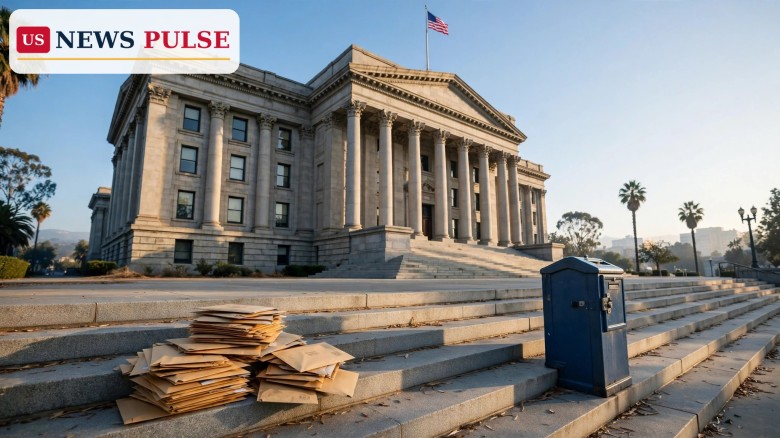
The United States Justice Department has dropped its lawsuit seeking to force California to set aside about 20,000 mail ballots it claimed were cast by noncitizens. In a filing on Friday, November 6, 2026, the department conceded the case can no longer deliver what it asked for, ending a three-week legal fight that reached the Supreme Court days before the midterms, without any court ruling on whether the disputed ballots were lawful.
Key Points
- The Justice Department filed a notice of voluntary dismissal on Friday, November 6, 2026, in the case before US District Judge David O. Carter.
- Assistant US Attorney Julie Hamill wrote that "the relief the United States sought and needed is no longer available — rendering voluntary dismissal necessary".
- By the scheduled November 13 hearing, California will already have mixed the challenged ballots with lawful ones, making segregation impossible, the filing said.
- The suit, filed October 15, 2026, was refused emergency relief by Judge Carter, a Ninth Circuit panel and the Supreme Court, which denied the appeal on November 2 with no noted dissents.
- California Attorney General Rob Bonta welcomed the dismissal, accusing the administration of trying to interfere with the state's elections.
What Happened
The Justice Department moved on Friday to end its own case. In a filing before Judge Carter, Assistant US Attorney Julie Hamill said the government was voluntarily dismissing the lawsuit because the remedy it had sought no longer existed. The department had asked the court to order California to set aside roughly 20,000 mail ballots allegedly cast by noncitizens. By the November 13 hearing, the filing said, California will already have mixed the challenged ballots with lawful ones, leaving nothing to separate.
The move came three days after the midterm elections on Tuesday, November 3, and four days after the Supreme Court refused to intervene. It closes the case without a ruling on the merits.
Background: A Three-Week Legal Fight
The lawsuit was filed on October 15, 2026, as part of a wider administration push on election administration. The Justice Department said a federal list identified about 20,000 mail ballots in California that it believed were cast by noncitizens, and it demanded the state hold those ballots apart while their voters' citizenship was checked. California officials pushed back, saying the list was outdated and included legitimate voters, and warning that pulling ballots out of the count days before an election would disrupt voting.
Judge Carter refused emergency relief, and a Ninth Circuit panel agreed. On Monday, November 2, the Supreme Court denied the administration's emergency appeal, with no noted dissents, leaving Carter's order in place on the eve of the midterms. In a related dispute, Riverside County refused a Justice Department demand to hold 1,355 ballots, citing Carter's October 28 order.
California Ballots Lawsuit: Why the Justice Department Walked Away
The filing gives a practical reason, not a legal one. California counts mail ballots over days and weeks after Election Day, and once a ballot is counted it is mixed in with all the others. Segregation only works if it happens before that process runs its course. By November 13, the challenged ballots would already be part of the counted total, and no court order could unpick them.
That timing problem was there from the start. The suit was filed on October 15, less than three weeks before the election, and the government lost at every stage when it asked courts to act urgently. Each refusal narrowed the window further, and the Supreme Court's decision on November 2 effectively closed it. The dismissal also leaves the central question unanswered: California said the list swept in lawful voters, but no court ever tested that claim.
Reactions and Quotes
The filing itself is the department's only statement on the decision. Hamill's single sentence — that "the relief the United States sought and needed is no longer available" — is the whole of the government's public explanation for walking away from a case it had pursued through three courts in three weeks.
California Attorney General Rob Bonta welcomed the move, accusing the administration of trying to interfere with the state's elections and presenting the dismissal as a vindication of the state's position that the ballots should be counted. Voting-rights groups fighting the department over the same list in separate litigation are expected to call it a significant, if partial, win.
Why It Matters
The dismissal draws a line under the administration's most aggressive attempt to intervene in a state's ballot count during the 2026 midterms. The Justice Department had also pressed other states, including Washington, to set aside ballots from suspected noncitizens, . The California case was the test of whether courts would order a state to pull ballots out of its count on the basis of a federal list. Every court that looked at it said no, at least on an emergency basis.
It also matters for trust in the result. California had processed about 9 million ballots by early Friday, with nearly 5 million still to count. The dismissal removes a legal cloud over that count, at least from this case, without a ruling on the merits. The ballots at issue will simply be counted like all the others.
What Happens Next
With the case dismissed, the November 13 hearing is no longer needed, and the special master's review ends. California will keep counting: nearly 5 million ballots remained unprocessed as of early Friday, and the state's count will continue for days. The wider fight is not finished. The Justice Department remains in litigation with immigrant and voting-rights groups over its use of the suspected-noncitizen list, and that case could still rule on whether the data is reliable.
Frequently Asked Questions
Why did the Justice Department drop the case?
The department said "the relief the United States sought and needed is no longer available". By the scheduled November 13 hearing, California will already have mixed the challenged ballots with lawful ones, so they can no longer be separated.
What did the lawsuit ask for?
Filed on October 15, 2026, it asked a federal court to order California to set aside about 20,000 mail ballots the department alleged were cast by noncitizens, until their status could be verified.
What did the courts decide?
Judge David O. Carter refused emergency relief, a Ninth Circuit panel agreed, and the Supreme Court denied the administration's emergency appeal on November 2, 2026, with no noted dissents. No court ruled on whether the ballots were lawfully cast.
Were the 20,000 ballots cast by noncitizens?
That was never established. California said the list was outdated and included legitimate voters. The dismissal ends the case without a finding either way.
Does the dismissal affect other states?
It ends the California case only. The department pressed similar demands in other states, including Washington, and remains in litigation over its use of the list.
Read More on US News Pulse
- California ballots appeal: DOJ asked court to rule by Friday on 20,000 votes
- Supreme Court rejects Trump bid to set aside California ballots before midterms
- Riverside County refuses DOJ demand to hold 1,355 ballots
Image: mail-in ballot envelopes and a ballot drop box outside a California courthouse.
© 2026 US News Pulse. All rights reserved.
 Print
 Save