
FAA Flight Cuts Begin at 40 Airports as Longest Shutdown Reaches Day 38
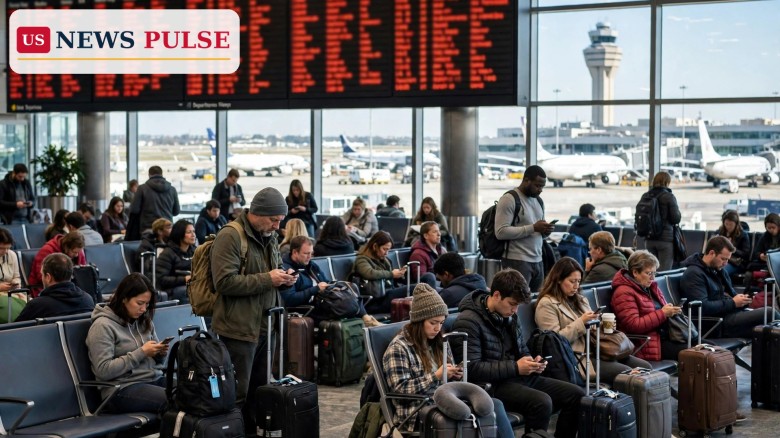
The Federal Aviation Administration's emergency order to cut flights at 40 of the busiest airports in the United States took effect on Friday, November 7, 2026, grounding more than 1,000 flights on day one as the federal government shutdown reached its 38th day, the longest in American history. Airlines must cut 4 percent of domestic flights at the affected airports between 6 a.m. and 10 p.m., with the reductions set to deepen to 6, 8 and 10 percent by November 11, 13 and 14 if the shutdown continues. International flights are exempt, but the disruption stretched beyond the 40 airports, with more than 4,300 flights delayed nationwide.
Key Points
- The FAA's emergency order to cut flights at 40 of the busiest US airports took effect Friday, November 7, 2026, the first nationwide cut since 9/11, as the shutdown hit day 38.
- Airlines must cut 4 percent of domestic flights at the 40 airports between 6 a.m. and 10 p.m., rising to 6, 8 and 10 percent by November 11, 13 and 14 if the shutdown continues. International flights are exempt.
- More than 1,000 flights were cancelled and over 4,300 delayed on day one. SkyWest cancelled 178, Southwest 129, and American and United roughly 80 to 100 each.
- Transportation Secretary Sean Duffy and FAA Administrator Bryan Bedford announced the order Wednesday, November 5, citing safety risks from controller shortages: about 13,000 controllers and 50,000 screeners unpaid.
- Airlines face a $75,000 fine per flight over their limit. Cirium estimated up to 1,800 flights and 268,000 seats a day affected at the full 10 percent cut.
What Happened
The cuts began at 6 a.m. on Friday, and cancellations piled up quickly. FlightAware counted more than 1,000 cancelled flights and more than 4,300 delays across the United States on day one. SkyWest, which operates regional flights for the major carriers, cancelled 178, the most of any airline. Southwest cancelled 129, while American and United each cancelled roughly 80 to 100. Thunderstorms added to the trouble on Friday morning, halting flights at New York's Kennedy, LaGuardia and Newark airports.
The order covers only domestic flights at the 40 airports, between 6 a.m. and 10 p.m., but the effects reached further: a cancelled Atlanta flight can strand a connecting passenger in a city not on the list. The 4 percent cut is only the start.
Background and Context
The shutdown reached its 38th day on Friday, the longest federal government shutdown in American history. About 13,000 air traffic controllers and 50,000 airport screeners are working without pay. Absenteeism has risen above 30 percent at some airports, as unpaid controllers call in sick or take other work. The FAA was already about 3,500 controllers short of its target before the shutdown began.
Duffy and FAA Administrator Bryan Bedford announced the order on Wednesday, November 5, as a safety measure, not a punishment for travellers. Fewer flights means fewer demands on a thinning workforce, they argued; keeping the full schedule with too few controllers would be riskier. Duffy warned of "mass chaos" including delays, cancellations and possible airspace closures if the shutdown drags on.
FAA Flight Cuts: Which Airports and Flights Are Affected
The 40 airports on the FAA's list are the busiest in the country. Atlanta Hartsfield-Jackson, the world's busiest airport, is on the list, along with Dallas-Fort Worth, Denver, Los Angeles and Charlotte. The airports serving New York, Chicago, Washington, Houston, Miami, San Francisco and Orlando are also included, so few travellers can avoid the cuts by choosing a different route.
Only domestic flights count, and airlines decide which to cancel, as long as they stay within the limit. That choice matters: an airline can protect its most profitable routes and cut the thinner ones, so smaller cities and less busy routes are likely to lose service first. Airlines that fly more than their limit face a fine of $75,000 per flight.
Reactions and Quotes
Secretary Duffy was blunt about what travellers should expect, warning of "mass chaos" including delays, cancellations and possible airspace closures if the shutdown drags on, a warning Friday's numbers bore out. The FAA's message is that the cuts are a safety valve: with controllers working without pay and absenteeism climbing, fewer planes in the sky keeps the ones that fly safe.
The airlines have not disputed the safety case, but the cuts leave them choosing which passengers to disappoint. Regional carriers felt day one hardest, with SkyWest alone cancelling 178 flights. Travellers should check flight status before leaving for the airport, allow extra time, and expect changes.
Why It Matters
The cuts convert a political standoff into a daily cost for ordinary people. A cancelled flight is a missed meeting, a ruined holiday, a family kept apart. At the full 10 percent cut, Cirium estimated up to 1,800 flights and 268,000 seats a day affected. The cuts are also a signal: ordering airlines to fly less admits the shutdown has degraded a core public service until the normal schedule is no longer safe.
The order also raises the stakes of the shutdown. Air travel touches every part of the economy, and visible chaos at the nation's airports pressures both parties in Washington in a way closed museums and furloughed office workers did not. The longer the shutdown lasts, the deeper the cuts go.
What Happens Next
The next step comes November 11, when the required cut rises from 4 to 6 percent, then 8 percent on November 13 and 10 percent on November 14 if the shutdown is still going. Each step means more cancellations and longer delays, and airlines keep choosing which routes to protect and which to sacrifice. Duffy has warned that deeper cuts, and even airspace closures, remain possible if more controllers fail to report for work.
Whether the cuts deepen depends on whether Congress and the White House reach a funding deal. Until then, travellers should expect the disruption to grow. The shutdown has lasted 38 days; every additional day costs the travelling public more flights.
Frequently Asked Questions
Which airports are affected by the FAA flight cuts?
Forty of the busiest US airports, including Atlanta, Dallas-Fort Worth, Denver, Los Angeles and Charlotte, plus those serving New York, Chicago, Washington, Houston, Miami, San Francisco and Orlando.
How many flights were cancelled on the first day?
More than 1,000 flights were cancelled and over 4,300 delayed nationwide on Friday, November 7, per FlightAware.
How big will the cuts get?
Airlines must cut 4 percent of domestic flights now, rising to 6, 8 and 10 percent by November 11, 13 and 14 if the shutdown continues.
Are international flights affected?
No. International flights are exempt; the order covers only domestic flights between 6 a.m. and 10 p.m. at the 40 airports.
Why did the FAA order the cuts?
The FAA cited safety risks from controller shortages: about 13,000 controllers and 50,000 screeners unpaid, with absenteeism above 30 percent at some airports.
Related Coverage
Related: House shutdown vote nears as rules panel clears funding bill for Wednesday and Europe bomb threats disrupt flights as six aircraft searched, no explosives found.
© 2026 US News Pulse. All rights reserved.
 Print
 Save