
Massachusetts Voters Reject Question 7 Starter-Home Measure in Tight Vote
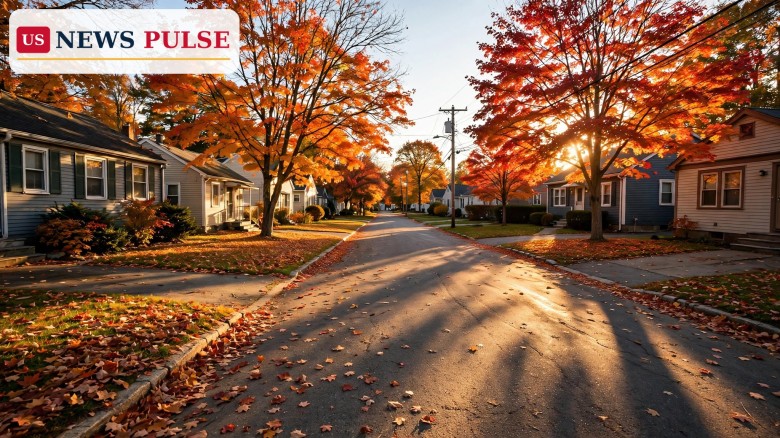
Massachusetts voters have narrowly rejected Question 7, the statewide ballot measure that would have forced cities and towns to allow starter homes on lots as small as 5,000 square feet, keeping the state's strict local lot-size rules in place. The Associated Press projected the failure on Friday, November 6, 2026, after three days of counting, with "No" leading "Yes" by 50.6 percent to 49.4 percent — a margin of just over 30,000 votes out of more than 2.5 million cast.
Key Points
- Massachusetts voters rejected Ballot Question 7 by 50.6 percent to 49.4 percent — a margin of just over 30,000 votes out of more than 2.5 million cast.
- The Associated Press called the result on Friday, November 6, 2026, after three days of counting.
- Question 7 would have required towns to allow homes on lots as small as 5,000 square feet, with 50 feet of frontage and access to public water and sewer.
- More than half of Massachusetts municipalities require lots of at least 40,000 square feet — about an acre — for a single-family home.
- Boston backed the measure by about 120,000 votes to 53,286, while suburbs including Wellesley, Winchester and Lexington rejected it.
What Happened
The outcome was not known on election night. Question 7 was one of the closest contests on the Massachusetts ballot in the November 3 midterm election, and counting ran for three days before the Associated Press called it on Friday. The margin — just over 30,000 votes, about 1.2 percentage points — made it one of the tightest statewide results in recent Massachusetts history.
The geography of the vote told its own story. Boston backed the measure by a wide margin, about 120,000 in favour against 53,286 opposed. The suburbs went the other way: Wellesley rejected it with about 57 percent voting no, and Winchester and Lexington also turned it down.
Question 7 shared the ballot with Question 9, the referendum on the state's gun law, which voters chose to keep — see Massachusetts voters keep 2026 gun law alive in Question 9 referendum win — and the wider midterm picture in Trump absolutely willing to accept midterm results.
Background and Context
Massachusetts has one of the most expensive housing markets in the country. The median listing price is $699,990, about $250,000 above the national median of $415,000, and the state faces a shortage of about 220,000 homes — a gap that has become one of the defining pressures for first-time buyers.
Much of that shortage, supporters argued, is written into local zoning rules. More than half of the state's 351 cities and towns require a minimum lot of at least 40,000 square feet — roughly an acre. On lots that large, developers say, it is rarely worth building the modest homes first-time buyers can afford, so they build bigger, more expensive houses instead, or nothing at all.
The measure was organised by Andrew Mikula, chief housing economist at the Pioneer Institute, with the Homebuilders and Remodelers Association of Massachusetts. A Tufts University study estimated it would produce 3,500 to 12,000 net new homes in the first decade, and up to 320,000 more over time.
Massachusetts Question 7: What the Measure Would Have Changed
Question 7 was a direct challenge to local lot-size minimums. It would have required every city and town to allow single-family homes on lots as small as 5,000 square feet, with at least 50 feet of frontage and access to public water and sewer, overriding any local rule demanding a larger lot.
The measure was aimed squarely at starter homes — the smaller, cheaper houses that were once the normal first step onto the property ladder and have become rare in Massachusetts. Supporters argued the 5,000-square-foot standard would let builders put modest homes where roads, pipes and sewers already exist.
Opponents never disputed that housing is expensive. Their argument was about who decides. The Massachusetts Municipal Association, which led the opposition, said the measure would impose a one-size-fits-all mandate on all 351 cities and towns. A rule that works on a flat street in Boston, they argued, may not work in a hill town with wells and septic systems.
Reactions and Quotes
Supporters framed the measure as a test of whether Massachusetts was serious about its housing shortage. Mikula and the homebuilders argued the 220,000-home shortfall would not close itself, and that lot-size rules were the biggest barrier to the starter homes buyers want. The Tufts estimate of up to 320,000 additional homes was central to their pitch.
The opposition said the measure was too blunt an instrument. Local officials warned that forcing every community to accept 5,000-square-foot lots would strain roads, water and schools, and take planning power away from the towns that must live with the results. That argument appears to have carried the day in the suburbs.
Why It Matters
The rejection of Question 7 leaves the rules that shape Massachusetts housing exactly as they were. Towns that require acre-sized lots can keep requiring them, and the economics that push builders toward large, expensive houses remain. For would-be first-time buyers, the route to a starter home stays as difficult as before.
It also matters as a signal. Even where housing costs dominate debate, voters are wary of mandates that override local control. Boston's strong yes and the suburbs' firm no point to a split any future proposal must bridge.
What Happens Next
With Question 7 defeated, the lot-size rules it targeted remain in force. The debate returns to the State House, where lawmakers have long argued over how far the state should go in setting housing rules for towns, and to the towns themselves, where planning boards will keep deciding lot by lot what gets built.
Supporters have not said whether they will try again. The narrowness of the defeat, a little over one percentage point, may encourage a second attempt aimed at the suburban voters who rejected it this time. For now, the 220,000-home shortage, the $699,990 median price and the acre-sized lot rules all remain.
Frequently Asked Questions
What was Massachusetts Question 7?
A ballot measure that would have required towns to allow single-family homes on lots as small as 5,000 square feet, with 50 feet of street frontage and access to public water and sewer.
How close was the vote?
Very close. "No" won 50.6 percent to 49.4 percent, a margin of just over 30,000 votes out of more than 2.5 million cast. The Associated Press called it on Friday, November 6, 2026.
What happens now that Question 7 has failed?
Nothing changes. Local lot-size rules stay in place, and towns can keep requiring lots of at least 40,000 square feet.
Why did Boston vote yes while the suburbs voted no?
Boston backed it by about 120,000 votes to 53,286, while Wellesley, Winchester and Lexington rejected it. City voters favoured more housing supply; suburban voters wanted to keep local control.
How expensive is housing in Massachusetts?
The median listing price is $699,990, about $250,000 above the national median, and the state faces a shortage of about 220,000 homes.
Image: An original illustration of a Massachusetts suburban street in autumn, not a photograph of a specific town or property.
© 2026 US News Pulse. All rights reserved.
 Print
 Save