
Yemen Airstrikes Kill at Least 25 Near Sanaa, Mostly Women and Children
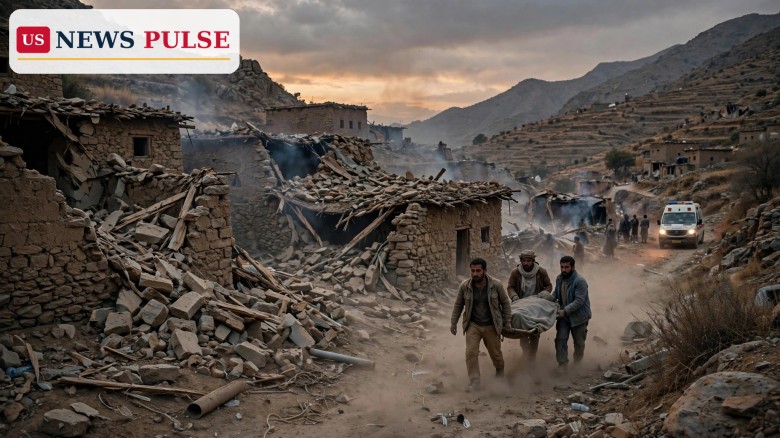
Airstrikes tore through homes in a village outside Yemen's capital on Saturday, killing at least 25 people — most of them women and children — and wounding 30 more, in one of the deadliest single attacks since the country's civil war flared back into open fighting this year.
The strikes hit al-Shariya village in Bani Hushaysh district, about 15 kilometres (10 miles) north-east of Sanaa, the Houthi-run Health Ministry said. Rescue workers spent the day pulling survivors from the rubble, and Houthi media said follow-up strikes targeted paramedics as they worked. The toll rose from 22 in the first reports to at least 25 by evening.
Key Points
- At least 25 people were killed and 30 wounded when airstrikes hit homes in al-Shariya village, about 15 kilometres north-east of Sanaa, on Saturday, November 7, 2026.
- Most of the victims were women and children, according to Houthi-run Health Ministry spokesman Anees Alasbahi. The toll rose from 22 earlier in the day.
- Alasbahi blamed Saudi Arabia. The Associated Press said it could not independently verify the claim, and Saudi Arabia's Information Ministry did not immediately respond.
- Houthi media said follow-up strikes hit paramedics trying to pull survivors from the rubble of destroyed houses.
- It came a day after an airstrike on a market in southern Yemen killed at least 30 people, Houthi officials said.
What Happened
The strikes hit homes in al-Shariya, a village in Bani Hushaysh on the north-eastern edge of the capital. Alasbahi said most of those killed were women and children, and 30 more were wounded. First reports put the toll at 22 dead; it rose to at least 25 as rescuers reached more of the wreckage.
Footage on the Houthi-run Al-Masirah channel showed rescue workers carrying the limp bodies of young children from ambulances and the rubble of destroyed houses. Houthi media said strikes continued while paramedics worked, hitting rescue teams as they pulled survivors from the debris.
Who carried out the strikes could not immediately be verified. Alasbahi accused Saudi Arabia. The Associated Press said it could not independently verify the claim, and Saudi Arabia's Information Ministry did not immediately reply to a request for comment.
Background: Yemen's War Returns
Yemen has been at war since 2014, when Houthi fighters seized Sanaa and drove the internationally recognised government from the capital. A Saudi-led coalition intervened in 2015, and the fighting became one of the world's worst humanitarian crises, killing hundreds of thousands and pushing millions to the edge of famine.
A truce brokered in 2022 largely held for years, sharply reducing airstrikes and ground fighting, though no permanent peace deal was ever signed. That calm ended over the summer of 2026, when the truce collapsed. The United Nations says more than 1,600 people have been killed and more than 300,000 displaced since the fighting restarted.
Yemen Airstrikes Near Sanaa: What We Know
Confirmed so far: the location, the toll and the timing. Homes in al-Shariya were hit on Saturday, at least 25 people were killed and 30 wounded, according to the Houthi-run Health Ministry, the only authority reporting from the scene. Not confirmed is who carried out the strikes: the Houthi spokesman blamed Saudi Arabia, but no evidence has been published and Riyadh has not commented.
Also confirmed is the pattern: Friday's market strike in the south killed at least 30 people, according to Houthi officials, making this one of the bloodiest weekends in Yemen since the truce collapsed. Together, the two attacks killed at least 55 people in about 24 hours, most of them civilians.
Reactions
The Houthi authorities first reported the attack, through the health ministry and Al-Masirah television, which broadcast the rescue scenes from al-Shariya. Their account focused on the civilian toll and the claim that paramedics were hit in follow-up strikes — a charge that, if confirmed, would echo earlier incidents in which rescue workers were struck while responding to an attack.
Saudi Arabia did not immediately respond. No other government or international body had publicly commented by Saturday evening. The United Nations has warned repeatedly that the return of open fighting risks rapidly worsening a humanitarian crisis that never truly ended, and aid agencies say renewed displacement is straining relief operations already short of funding.
Why It Matters
The strike matters first because of who was killed. When most of the dead are women and children in their own homes, it is a civilian tragedy, and the UN figures — 1,600 killed and 300,000 displaced since the summer — show this is part of a war accelerating again after years of relative quiet.
It also matters because of where it happened. Sanaa is the Houthi-held capital, and a deadly strike on its outskirts raises the stakes. If Saudi Arabia was responsible, it would mark a sharp escalation of its direct role; if another actor was responsible, the uncertainty itself is dangerous, inviting retaliation against the wrong target. Yemen also sits on the Bab el-Mandeb strait, a vital shipping chokepoint, so a return to full-scale fighting would add another front to a Middle East already consumed by the war between the United States and Iran and the scramble to end it.
What Happens Next
The immediate priority is the rescue and the wounded: hospitals in Sanaa will treat survivors through the weekend, and the toll may still rise as more rubble is cleared. Attention will then turn to who carried out the attack and what happens in response. The Houthis have a record of retaliating for strikes on their territory with missiles and drones, and any retaliation risks a cycle that has repeatedly pulled outside powers back into Yemen's war. The United Nations is likely to face renewed pressure to push for a ceasefire before the country slides back into the full-scale war the 2022 truce paused.
Frequently Asked Questions
How many people were killed in the Yemen airstrikes near Sanaa?
At least 25 people were killed and 30 wounded, according to Houthi-run Health Ministry spokesman Anees Alasbahi. Most of the dead were women and children. The toll rose from 22 earlier on Saturday.
Where exactly did the strikes hit?
Homes in al-Shariya village, in the Bani Hushaysh district about 15 kilometres (10 miles) north-east of Sanaa, Yemen's capital. The area is in Houthi-held territory.
Who carried out the airstrikes?
That has not been independently confirmed. Houthi officials blamed Saudi Arabia, but the Associated Press said it could not verify the claim, and Saudi Arabia's Information Ministry did not immediately respond to a request for comment.
Why is fighting in Yemen escalating again?
A years-long truce collapsed over the summer of 2026, and fighting resumed across several fronts. The UN says more than 1,600 people have been killed and more than 300,000 displaced since the truce broke down.
What happened in southern Yemen the day before?
On Friday, November 6, an airstrike on a market in southern Yemen killed at least 30 people, according to Houthi officials. Together with Saturday's strike near Sanaa, at least 55 people were killed in about 24 hours.
Related coverage: US Strikes Iran's Qeshm Island in Secret Raids Near Hormuz and Komyshuvakha Bodycam Shows Final Moments Before Double-Tap Strike Killed 40.
© 2026 US News Pulse. All rights reserved.
 Print
 Save