
Musk Offers to Cancel Any SpaceX Government Contract Washington No Longer Wants
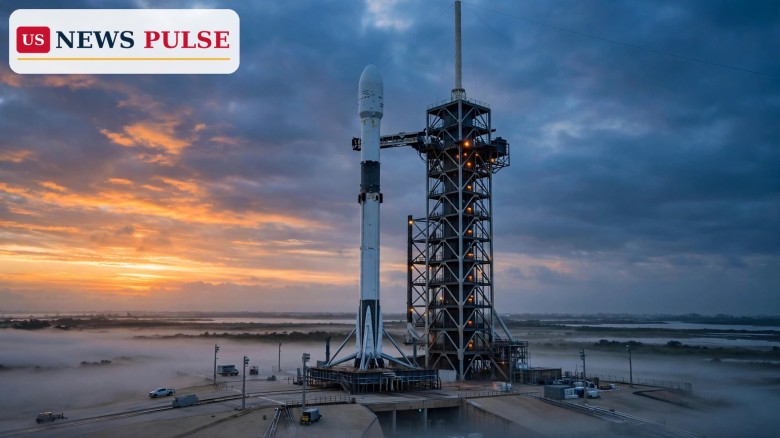
Elon Musk has offered to cancel any SpaceX government contract Washington no longer wants, saying the company's federal business is shrinking fast. The SpaceX chief executive made the offer in a post on X on Friday, November 6, 2026, days after Democrats swept the midterm elections and signalled tougher oversight of his companies from January. Musk said government revenue would be under 10 percent of SpaceX revenue this quarter, and under 5 percent a year from now.
Key Points
- Musk said on X on November 6 that SpaceX government revenue will be under 10 percent of company revenue this quarter and under 5 percent a year from now.
- He offered to cancel any government contract Washington no longer wants: "Happy to cancel any that the government doesn't want. Just say the word!"
- Musk said SpaceX contracts are "BOTH the best product AND the lowest price"; Tesla has no government contracts.
- SpaceX's IPO prospectus put United States federal agencies at about one-fifth of 2025 revenue; third-quarter revenue was $14.58 billion.
- The offer came as Democrats, who won Congress on November 3, signalled oversight of Musk's companies from January, after Tesla and SpaceX shares fell about 12.5 percent in two sessions before rebounding about 6 percent on Friday.
What Happened
Musk was replying on X to user Warren Redlich, who suggested Musk write to Senate and House Democrats on January 1 offering to cancel contracts they object to. Musk took up the idea and went further, framing the offer as open-ended and immediate.
"SpaceX contracts with the government are BOTH the best product AND the lowest price! Moreover government revenue will be less than 10% of SpaceX revenue this quarter and less then 5% a year from now. Happy to cancel any that the government doesn't want. Just say the word!" Musk wrote.
The post put two claims side by side: that the government is already getting the best deal available, and that SpaceX no longer needs the government's business the way it once did. Musk added that Tesla has no government contracts and that President Donald Trump ended federal incentives for electric vehicles.
The timing matters: Democrats won both chambers of Congress on November 3, 2026, and have signalled oversight of Musk's companies when the new Congress convenes in January. Musk's offer reads as a pre-emptive answer to that scrutiny.
Background and Context
SpaceX's relationship with the federal government goes back more than two decades. Its government customers include NASA, the Space Force and the National Reconnaissance Office, which rely on SpaceX rockets for crew and cargo missions, national security launches and intelligence satellites.
That history is why Musk's figures drew attention. The IPO prospectus, known as an S-1 filing, put United States federal agencies at about one-fifth of 2025 revenue. Against third-quarter revenue of $14.58 billion, a government share under 10 percent would be at most about $1.46 billion for the quarter — still large, but a much smaller share of a fast-growing business.
The figures are Musk's own projections and have not been independently verified. They point to a company whose commercial business is growing faster than its government work. The backdrop has also shifted: Tesla and SpaceX lost $456 billion in combined value in two days after the Democrats' midterm sweep, before shares rebounded about 6 percent on Friday.
SpaceX Government Contracts: What the Numbers Show
The gap between the prospectus figure and Musk's projection tells the story. At about one-fifth of 2025 revenue, federal agencies were a major customer last year. At under 10 percent this quarter and under 5 percent a year from now, they would be a minor one.
That shift would change the politics of SpaceX as much as its balance sheet. Government contracts have given critics a lever, arguing a company doing vast business with Washington should face closer scrutiny. A smaller share weakens that argument, and Musk's offer to walk away removes it almost entirely.
It would also change the leverage in the other direction. NASA, the Space Force and the National Reconnaissance Office depend on SpaceX for capabilities few others can provide at the same price or pace. If SpaceX is genuinely willing to cancel contracts, the government would need to weigh whether it could replace that capacity elsewhere, and at what cost. None of this means contracts will actually end: no agency has asked to cancel one, and no lawmaker has yet taken Musk up on the offer.
Reactions and Quotes
Musk's full post was characteristically blunt. "SpaceX contracts with the government are BOTH the best product AND the lowest price! Moreover government revenue will be less than 10% of SpaceX revenue this quarter and less then 5% a year from now. Happy to cancel any that the government doesn't want. Just say the word!"
The exchange began with Warren Redlich, whose suggestion Musk was answering: write to Senate and House Democrats on January 1 offering to cancel contracts they object to. Democrats have not yet responded directly, though their statements since the midterms make clear oversight of Musk's companies is on the agenda. Musk deleted a "vote red today" post after the Democrats' midterm sweep.
Why It Matters
First, it reframes the debate: instead of defending contracts, Musk invites critics to cancel them, shifting the burden onto lawmakers to name any contract they object to. Second, it signals how SpaceX sees its future — a company expecting government work to fall below 5 percent of revenue within a year believes its commercial business can carry it. Third, it tests the incoming Democratic Congress: if January hearings focus on SpaceX contracts, Musk has already answered in public, and lawmakers must decide who would fly NASA astronauts and launch national security satellites instead.
What Happens Next
The immediate question is whether any Democrat takes Musk up on the offer. The new Congress does not take its seats until January, and the oversight agenda is still being drawn up. If a committee chair names a specific contract, the exchange will move from social media to formal letters and hearings. Investors will also watch SpaceX's next disclosures for evidence the government share is falling as fast as Musk claims. For now, no contract has been cancelled.
Frequently Asked Questions
What did Elon Musk offer to cancel?
Any SpaceX government contract Washington no longer wants. He wrote on X on November 6, 2026: "Happy to cancel any that the government doesn't want. Just say the word!"
How much of SpaceX's revenue comes from the government?
Musk said under 10 percent this quarter and under 5 percent a year from now; the IPO prospectus put federal agencies at about one-fifth of 2025 revenue.
Which agencies are SpaceX customers?
NASA, the Space Force and the National Reconnaissance Office, which rely on SpaceX for crew and cargo missions and national security launches.
Does Tesla have government contracts?
According to Musk, no. He noted President Donald Trump ended federal incentives for electric vehicles.
Why did Musk make the offer now?
Democrats won Congress on November 3 and signalled oversight of Musk's companies from January, after Tesla and SpaceX shares fell about 12.5 percent in two sessions before rebounding about 6 percent on Friday.
© 2026 US News Pulse. All rights reserved.
 Print
 Save