
Bulgaria Elects First Female President as Iliana Iotova Wins Runoff in Historic Vote
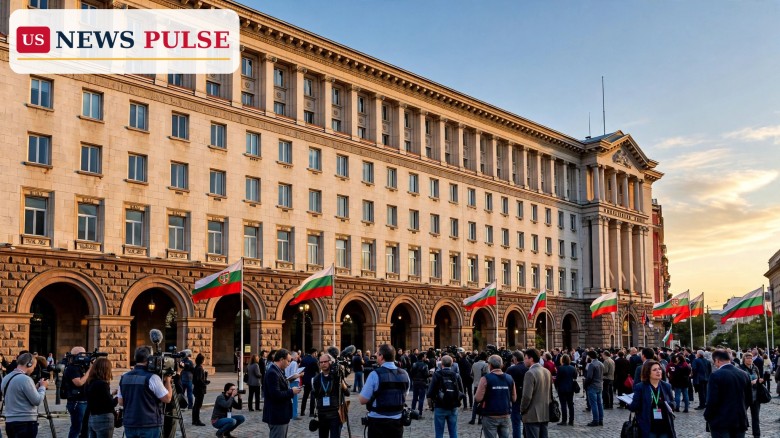
Bulgaria has elected its first female president. Iliana Iotova, the 61-year-old former vice president and former journalist, won Sunday's presidential runoff with 57.6 percent of the vote, the Central Election Commission confirmed on Monday, defeating former caretaker prime minister Andrey Gyurov. She took about 1.09 million ballots to Gyurov's roughly 749,500, becoming Bulgaria's seventh president — and the first woman to win the office. Her five-year term begins on January 22, 2027. The victory also puts the presidency and the government in the hands of the same political camp, giving a boost to Prime Minister Rumen Radev, her ally of nearly a decade.
Key Points
- Iliana Iotova won Bulgaria's presidential runoff on November 1, 2026, with 57.6 percent of the vote, about 1.09 million ballots.
- Former caretaker prime minister Andrey Gyurov took 39.5 percent, about 749,500 votes, and conceded the race.
- Iotova, 61, becomes Bulgaria's first female elected president and its seventh president overall.
- Turnout was a record-low 27 percent, with fewer than three in ten eligible voters taking part.
- Her five-year term begins on January 22, 2027, and her win aligns the presidency with Prime Minister Rumen Radev's government.
What Happened
Bulgarians went to the polls on Sunday, November 1, 2026, to choose between two candidates with long records in national politics. Iotova, backed by Prime Minister Radev, faced Gyurov, a former caretaker prime minister. The commission confirmed on Monday that Iotova had won by 18.1 percentage points, and Gyurov conceded the race.
The low turnout, however, hung over the result. At 27 percent, participation was the weakest in the history of Bulgaria's presidential elections, a sign of voter fatigue after years of political instability and repeated trips to the polls.
Background: Iotova's Path to the Presidency
Iliana Iotova's route to the presidency has been a long one. Before entering politics, she worked as a journalist. She later served as a member of the European Parliament before returning to Bulgarian politics.
In 2017, she became vice president alongside President Rumen Radev, and she held the post for two terms. When Radev resigned in January 2026 to enter — and win — a parliamentary race, Iotova stepped up as acting president, giving her months of experience in the top job before voters were asked to confirm her in it. She campaigned as a safe pair of hands who already knew the office.
Bulgaria First Female President: What the Win Means
The election of Bulgaria's first female president is a landmark for a country that has lagged behind much of Europe in putting women into its highest offices. Bulgaria has had women in senior political roles, but no woman had ever won the presidency before. Iotova's victory breaks that barrier.
The presidency in Bulgaria is a largely ceremonial role, but it is not a powerless one. The president is head of state and commander-in-chief of the armed forces, can veto legislation, can send laws back to parliament, and appoints caretaker governments when parliament cannot form one — a power that has mattered a great deal during Bulgaria's years of political instability.
For much of the past decade, the presidency and the government were held by rival camps, and the tension between them shaped Bulgarian politics. Iotova's win changes that. With Radev now prime minister and his ally in the presidency, the two institutions are aligned. Supporters say that will bring stability; critics worry the system's checks and balances will weaken when the president and the prime minister come from the same camp.
Reactions
Gyurov conceded after the results were confirmed, acknowledging Iotova's clear margin of victory. He had argued that Bulgaria needed a president independent of the government, but voters chose continuity instead.
For Prime Minister Radev, the result is a political triumph. He backed Iotova for the role, and her win means the presidency and the government are now held by the same political camp. The vote also took place against a tense security backdrop: in the past month, drone attacks have hit merchant ships off Bulgaria's Black Sea coast, a reminder of how close the war in Ukraine sits to this NATO and European Union member state.
Why It Matters
Bulgaria matters to the United States and its allies far beyond its size. It is a member of both NATO and the European Union, and it sits on the Black Sea coast, where the war in Ukraine has brought drone strikes and shipping attacks to its doorstep. A stable government in Sofia is something Washington and Brussels have wanted to see after years of Bulgarian political turmoil.
The election also matters for what it says about Bulgarian democracy. The record-low turnout of 27 percent is a warning sign: when fewer than three in ten voters take part in choosing a head of state, questions follow about engagement and trust in institutions. Iotova takes office with a clear mandate from those who voted, but she will lead a country where most citizens did not vote at all.
What Happens Next
Iotova will be sworn in on January 22, 2027, when her five-year term begins. Between now and then, attention will turn to how she plans to use the presidency — above all, whether the alignment with Radev's government brings the stability her supporters promise, or removes a check on power that Bulgarian politics has relied on.
The security situation on the Black Sea will also demand attention. Drone attacks on merchant shipping off the Bulgarian coast in the past month have underlined the risks facing the country, and the president, as commander-in-chief, will have a voice in how Bulgaria responds. For Iotova, the work begins in earnest in January, when she takes the oath as Bulgaria's seventh president and its first woman to hold the job.
Frequently Asked Questions
Who is Iliana Iotova?
Iliana Iotova, 61, is a former journalist and former member of the European Parliament who served as Bulgaria's vice president alongside President Rumen Radev for two terms from 2017. She became acting president in January 2026 after Radev resigned to enter parliament.
When does Iotova's term as president begin?
Her five-year term begins on January 22, 2027. She will be sworn in as Bulgaria's seventh president, and its first female elected president, on that date.
Who did Iotova defeat in the runoff?
She defeated Andrey Gyurov, 50, a former caretaker prime minister. Iotova won 57.6 percent of the vote, about 1.09 million ballots, to Gyurov's 39.5 percent, about 749,500 votes. Gyurov conceded the race.
Why was turnout so low?
Turnout was a record-low 27 percent, with fewer than three in ten eligible voters taking part. Bulgaria has held repeated elections in recent years, and voter fatigue is widely seen as a factor.
What powers does Bulgaria's president have?
The Bulgarian presidency is largely ceremonial, but the president is head of state and commander-in-chief, can veto legislation, can return laws to parliament, and appoints caretaker governments when parliament cannot form one.
Read more on US News Pulse: Melania Trump Ceasefire Brings Hope to Oleshky as Ukraine Aid Mission Begins, Europe Will Join Abu Dhabi Ukraine Talks, France Confirms After Exclusion, and Democrats Weigh $15 Billion Ukraine Aid Package, Energy Help After Midterms.
© 2026 US News Pulse. All rights reserved.
 Print
 Save