
Paraguay Charges Ousted President Santiago Pena and Holds Him at Military Base
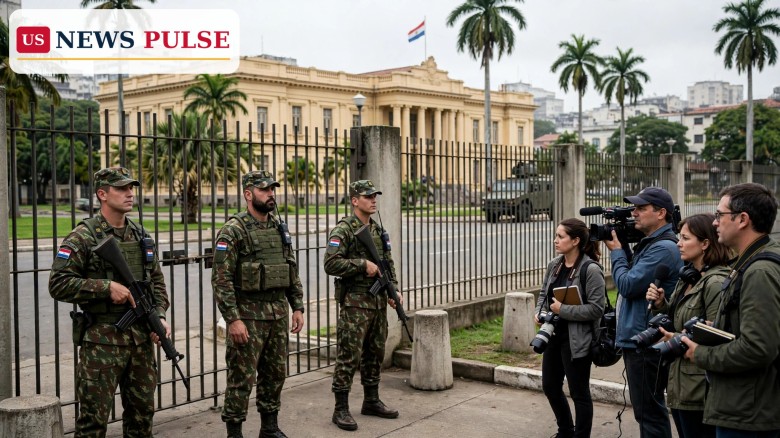
Paraguay has charged its ousted president, Santiago Pena, with crimes linked to the collapse of ueno bank, and a judge has ordered him held in pretrial detention at a military base. It is the sharpest turn yet in a banking crisis that cost Pena the presidency and locked nearly three million Paraguayans out of their savings. Prosecutors announced the charges on Saturday, November 7, 2026, a day after his unanimous removal.
Key Points
- Prosecutors charged former President Santiago Pena on Saturday, November 7, 2026, with breach of trust and administration for personal gain over the collapse of digital lender ueno bank.
- Judge Humberto Otazu ordered Pena held in pretrial detention at the Presidential Escort Regiment headquarters, a military facility, to keep him in the country.
- Each charge carries up to 10 years in prison, and prosecutors have asked to freeze Pena's assets.
- Prosecutors allege Pena steered hundreds of millions of dollars in public funds into ueno, including $355 million from the state pension fund above the legal limit, while shielding it from regulators.
- Former central bank chief Carlos Carvallo was also charged and detained. Pena denies wrongdoing and pleaded not guilty.
What Happened
The charges landed less than 24 hours after Pena lost the presidency, when the Senate voted 44-0 on Friday, November 6, to remove him for "poor performance of duties". Vice President Pedro Alliana was sworn in as president about an hour later, to serve until August 2028.
On Saturday, prosecutors moved from the political case to the criminal one, charging Pena with breach of trust and administration for personal gain over ueno bank, and asking the court to freeze his assets. Judge Humberto Otazu ordered him held in pretrial detention at the Presidential Escort Regiment headquarters, a military facility in Asuncion, rather than in an ordinary jail or under house arrest, to ensure he stays in the country.
Carvallo, the former central bank chief, faces the same two charges plus falsifying documents and was also detained. Prosecutors have charged 27 people linked to ueno in total, and a judge had earlier ordered six bank executives, including founder Miguel Vazquez, into pretrial detention.
Background: The Bank Collapse That Brought Down a President
Ueno was a fast-growing digital lender. Regulators seized it on Tuesday, November 3, 2026, freezing the accounts of nearly three million customers, close to half the country's population. Pensioners, workers and small businesses could not reach their money.
The crisis moved fast. Pena announced his resignation in a video on Thursday, November 5, saying he stepped down "with the stability of our country, social peace, and the need to preserve our democratic institutions in mind". Congress refused it, the Chamber of Deputies voted 78-0 to impeach him the same day, and the Senate opened its trial on Friday. He was removed by unanimous votes in both chambers, a first for a Paraguayan president.
Hours after his removal, prosecutors placed Pena under house arrest on suspicion of breach of trust, and the Attorney General had already opened three criminal investigations into Pena and other former officials. Saturday's formal charges replaced that stopgap with a full criminal case and military-base detention.
Santiago Pena Charged: The Case Against the Former President
At the heart of the case is the claim that Pena used the presidency to feed public money into a bank he had an interest in. Prosecutors allege he steered hundreds of millions of dollars in public funds into ueno, including $355 million from the state pension fund, above the legal limit for such deposits, while shielding the bank from regulatory scrutiny.
Pena held a stake in Grupo Vazquez, ueno's parent company, until March 2025, a connection lawmakers had already cited in the impeachment charges, alongside conflicts of interest, manipulated oversight and diverted pension funds. The bank's solvency ratio had fallen to 5.56 percent, less than half the 12 percent minimum, before regulators intervened.
Pena denies wrongdoing and pleaded not guilty. A key ally of US President Donald Trump, his fall has drawn attention well beyond Paraguay. If convicted on either charge, he faces up to 10 years in prison for each.
Reactions in Asuncion
The detention order deepened the sense in Asuncion that the ueno affair is far from over. Prosecutors have moved steadily from the bank's executives to the central bank and now to the former president, and holding Pena at a military base signals that the courts see a real flight risk.
For savers, the question is their money. The central bank said on Saturday that about $155 million to $160 million had been paid to nearly 1.2 million savers under the deposit guarantee, but millions more are still waiting. The scheme pays up to 10 million guaranies, about $1,565, per customer, and payouts began only on Friday.
Why It Matters
A former president charged and held at a military base is rare anywhere, and marks a new stage for Paraguay's young democracy. The country returned to democratic rule in 1989, and Pena is only the second president removed by impeachment since then, after Fernando Lugo in 2012. The criminal case now tests whether those institutions can also hold him to account in court.
The case also matters for financial regulation. Ueno grew fast by promising easy digital access to savings and credit, and its failure has left millions unable to reach their money. Prosecutors say regulators looked away and pension funds were diverted. The courts' handling of those claims will shape confidence in Paraguay's banks for years.
What Happens Next
Pena remains detained at the Presidential Escort Regiment headquarters while prosecutors build their case and the court weighs freezing assets. Further hearings will set a trial timetable, and Carvallo's case is expected to move alongside it.
Alliana must steady the banking system. Deposit-guarantee payments are under way, but the central bank still has to account for the full scale of ueno's losses and the public money prosecutors say was steered into the bank. The Attorney General's three criminal investigations are still running, and more charges against former officials have not been ruled out.
Frequently Asked Questions
What is Santiago Pena charged with?
Breach of trust and administration for personal gain over the ueno bank collapse. Each charge carries up to 10 years in prison.
Where is Pena being held?
In pretrial detention at the Presidential Escort Regiment headquarters, a military facility, to ensure he remains in Paraguay.
What is Pena accused of doing?
He allegedly steered hundreds of millions of dollars in public funds into ueno, including $355 million from the state pension fund above the legal limit.
Who else has been charged?
Former central bank chief Carlos Carvallo was also charged and detained; prosecutors have charged 27 people linked to ueno in total.
What happened to ueno bank customers?
Regulators seized ueno on November 3, freezing nearly three million customers' accounts. About $155 million to $160 million has been paid to nearly 1.2 million savers under the deposit guarantee.
Read More on US News Pulse
- Paraguay Senate removes President Pena 44-0 as Alliana takes over
- Paraguay impeachment trial opens as Congress refuses Pena resignation
- Paraguay President Santiago Pena resigns after ueno bank collapse
Image: soldiers guard a military facility gate in Asuncion.
© 2026 US News Pulse. All rights reserved.
 Print
 Save