
Lake Powell Rises More Than 20 Feet After Southwest Floods, Still Only a Quarter Full
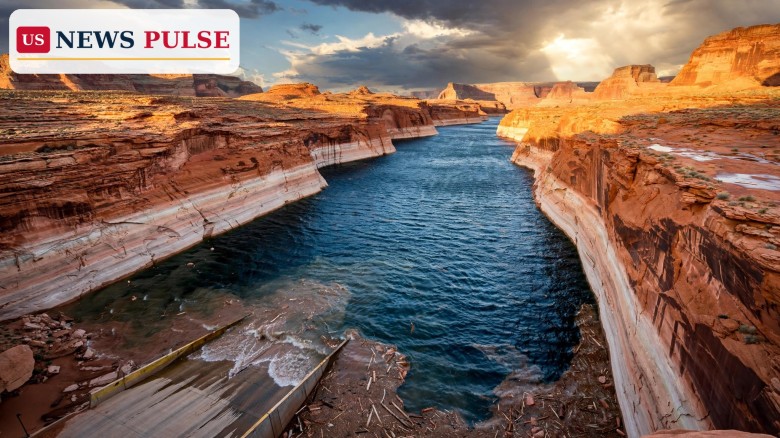
Lake Powell, the second-largest reservoir in the United States, has risen more than 20 feet from its mid-September low after the late-October and early-November storms that drenched the Southwest, climate scientist Martin Hoerling of the University of Colorado Boulder told the Associated Press on Sunday, November 8, 2026. The surge dwarfs the gains the lake made from this year's snowmelt, and floodwaters still moving through the system could add more than 1.2 million acre-feet of water in total, enough for around 4 million average families for a year. Yet the recovery has clear limits: Lake Powell still sits just over a quarter full, roughly 161 feet below full pool and more than six feet lower than a year earlier.
Key Points
- Lake Powell rose more than 20 feet (6.1 metres) from its mid-September low after the late-October and early-November 2026 storms, climate scientist Martin Hoerling of the University of Colorado Boulder told the Associated Press.
- The lake still sits at about 27 per cent of capacity, roughly 161 feet below full pool and more than six feet lower than a year earlier.
- Fifteen of the reservoir's 17 boat launches were unusable as of Friday, November 6, 2026.
- Floodwaters and further rain could add over 1.2 million acre-feet in total, enough water for around 4 million average families for a year, Hoerling estimated.
- Upper Lake Mary, which supplies up to 40 per cent of Flagstaff, Arizona's water, has received more than 3 billion gallons since early October.
What Happened
The same storms that flooded the Southwest in late October and early November delivered an unexpected gift to the region's reservoirs. Torrential rain fell across the Four Corners region of Arizona, Colorado, New Mexico and Utah, pushing more than 10 rivers, creeks and washes past major flood stage. Arizona Governor Katie Hobbs declared a statewide emergency on November 2 as the flooding killed at least two people in Flagstaff.
Much of that water ran into the Colorado River system that feeds Lake Powell. The reservoir, which straddles the Utah-Arizona border behind Glen Canyon Dam, began climbing from its mid-September low and had gained more than 20 feet by the weekend. Hoerling told the AP the rise dwarfed what the lake gained from this year's snowmelt, the slow spring runoff that normally does most of the work of refilling Western reservoirs. Upper Lake Mary, the reservoir that supplies up to 40 per cent of Flagstaff's water, has taken in more than 3 billion gallons since early October.
Background and Context
Lake Powell holds back the Colorado River behind Glen Canyon Dam near Page, Arizona. It is one of the two great storage reservoirs on the river, alongside Lake Mead downstream, and it underpins the water supply, hydropower and recreation of much of the American West.
For more than two decades the lake has been a visible symbol of the region's megadrought. Its level has fallen so far that a pale mineral stain, the so-called bathtub ring, marks the canyon walls far above the current shoreline, showing where the water used to reach. At its low point the lake held barely a quarter of its capacity, and 15 of its 17 boat launches were out of service as of Friday, with ramps ending in dry rock well above the water.
Lake Powell Rises 20 Feet, But the Drought Is Far From Over
A rise of more than 20 feet sounds dramatic, and by the standards of a single storm season it is. But the numbers behind it show how deep the hole still is. At about 27 per cent full and roughly 161 feet below full pool, Lake Powell would need many more wet seasons like this one to return to anything like its old levels. Hoerling's estimate of more than 1.2 million acre-feet of additional water sounds enormous, yet it is a fraction of what the reservoir can hold.
Experts were also quick to say the rain is not a long-term solution to the region's decades-long megadrought. One wet autumn does not undo more than 20 years of drying, and the Colorado River system as a whole remains under strain from hotter temperatures, reduced snowpack and demand that has long outrun supply. The storms bought time and relief, not a cure.
Reactions
Hoerling, the University of Colorado Boulder climate scientist, told the Associated Press that the rise dwarfed the gains from this year's snowmelt, underlining how much water the autumn storms delivered in a matter of weeks.
The US Bureau of Reclamation, which manages Lake Powell and Glen Canyon Dam, is unlikely to change how much water it releases from the reservoir until the snowpack peaks, typically around April, according to the AP report. That means the extra water will sit in the lake through the winter while managers wait to see how much snow the mountains collect.
Why It Matters
Lake Powell matters because the Colorado River matters. The river supplies water to tens of millions of people across seven US states and Mexico, irrigates farmland, generates hydropower at Glen Canyon Dam and supports a recreation economy built around boating, fishing and tourism in the canyon country. When Powell falls, every one of those uses is squeezed.
The rise also matters for towns that depend on smaller reservoirs the storms refilled: Flagstaff's Upper Lake Mary taking in more than 3 billion gallons since early October is a direct gain for a city of more than 75,000 people. It is also a reminder of how volatile the Southwest's water future has become, with the same climate forces deepening the drought and delivering rain in sudden, destructive bursts.
What Happens Next
The Bureau of Reclamation is expected to hold its release schedule steady until the snowpack peaks, typically around April, before reassessing releases. Until then the extra water stays in the reservoir, and the lake's level will be watched closely through the winter.
Further rain could still add to the total. If winter brings a healthy snowpack on top of the autumn rain, the lake could climb further still; if it brings a dry winter, the autumn gains will stand as the year's main refill.
Frequently Asked Questions
How much did Lake Powell rise?
More than 20 feet (6.1 metres) from its mid-September low, according to climate scientist Martin Hoerling of the University of Colorado Boulder.
How full is Lake Powell now?
About 27 per cent full, just over a quarter of its capacity, and roughly 161 feet below full pool.
Is Lake Powell higher than it was a year ago?
No. Despite the rise, it is still more than six feet lower than a year earlier.
Will the Bureau of Reclamation release more water from Lake Powell?
Not immediately. The bureau is unlikely to change water releases until the snowpack peaks, typically around April.
Does the rain end the Southwest drought?
No. Experts say the rain is not a long-term solution to the region's decades-long megadrought.
Related coverage: Southwest flooding turns deadly as 2 die in Flagstaff and Arizona declares emergency; Southwest record flooding as rivers hit record crests; Arizona flash floods, rescues and one death as Southwest braces for more rain.
© 2026 US News Pulse. All rights reserved.
 Print
 Save