
NYC Must Hand ICE Shelter Records to Federal Agents, Judge Rules in Sanctuary Blow
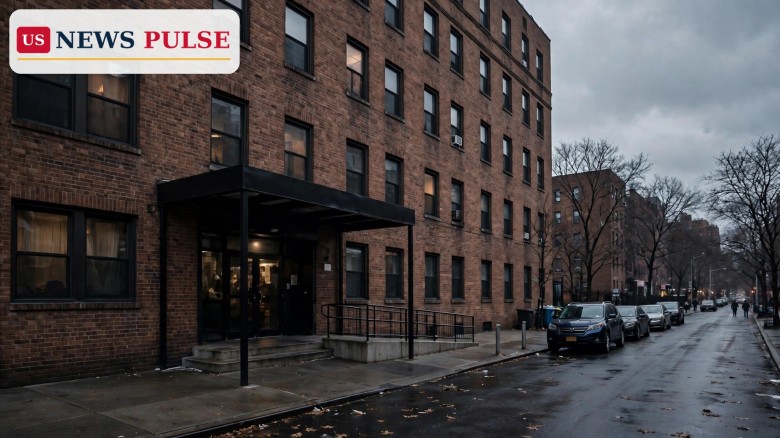
NEW YORK — A federal judge has ordered New York City to hand over ICE shelter records for men at a Bronx homeless shelter accused of violent crimes, rejecting the city’s claim that the demand trampled its sanctuary laws.
US District Judge Lewis A. Kaplan ruled on Friday, November 6, 2026, in a 12-page order in United States v. City of New York, No. 25-mc-559, that the city must comply with an ICE administrative subpoena seeking the names and birth dates of men at the Bruckner shelter, 825 East 141st Street in the Bronx, accused of certain violent crimes.
Key Points
- Judge Lewis A. Kaplan ordered New York City on Friday, November 6, 2026, to comply with an ICE administrative subpoena for shelter records (United States v. City of New York, No. 25-mc-559).
- The subpoena seeks the names and birth dates of men at the Bruckner shelter, 825 East 141st Street in the Bronx, accused of specified violent crimes.
- Kaplan rejected the city’s “fishing expedition” argument, finding the demand “material and relevant to the enforcement of the federal immigration laws” under 8 U.S.C. 1225(d)(4).
- ICE agreed to a court-appointed special master to screen the records, so only residents charged with one of eight listed offence categories are handed over.
- The city and the federal government have 14 days to submit a plan for the special master, and Attorney General Letitia James is reviewing a possible appeal.
What Happened
The fight began in August 2025, when ICE first demanded identifying information for men at two city shelters. Over several rounds, the demand was narrowed to residents accused of specified violent offences, and the case came down to one question: could the federal government compel a sanctuary city to hand over shelter records at all?
Kaplan said yes. The order covers only men at the Bruckner shelter accused of crimes in eight listed categories, among them murder, rape, burglary and assault on a law enforcement officer. It lands as Mayor-elect Zohran Mamdani prepares to take office on January 1, 2027, having campaigned on defending the city’s sanctuary policies.
Background: Sanctuary Laws Meet a Federal Subpoena
New York City’s sanctuary laws limit how far city agencies may go in helping federal immigration enforcement, including by restricting the sharing of information about people in city custody or city services. The city argued the subpoena crossed that line, seeking personal information about shelter residents, many of whom have not been convicted of anything.
The narrowing mattered to the outcome: Kaplan treated the subpoena as a targeted law-enforcement demand, not a dragnet, and pointed to the statute authorising immigration subpoenas as the legal basis for compelling compliance. The ruling fits a wider pattern, as the Trump administration presses sanctuary jurisdictions with lawsuits, funding threats and subpoenas, and courts have split on those efforts.
What the ICE Shelter Records Order Requires
The order does not give ICE the shelter’s full roster. ICE agreed to a court-appointed special master who will screen the records first, and only the names and birth dates of residents charged with one of the eight listed offence categories will be turned over. Everyone else at the Bruckner shelter stays out of the disclosure.
That safeguard was central to the ruling: it let Kaplan frame the subpoena as proportionate, giving the government what it says it needs against people accused of serious violent crimes while most residents keep their privacy. The order does not strike down New York’s sanctuary laws, nor does it give ICE a free hand to demand records from any city service, but it establishes that a federal judge in Manhattan will enforce a properly narrowed immigration subpoena against a sanctuary city.
Reactions and Quotes
New York Attorney General Letitia James said her office is reviewing the possibility of an appeal. A challenge would go to the Second Circuit, which has handled a string of immigration and federalism disputes, and could keep the records frozen while the case plays out.
The city has argued throughout that sanctuary policies exist to keep immigrants willing to use city services, including shelters, without fear that a bed for the night leads to a knock from immigration officers. The federal position, as accepted by the court, is that the subpoena is a lawful enforcement tool, aimed at people accused of violent crimes, and that the special master removes the risk of over-collection.
Why It Matters
The ruling sets a precedent inside the Southern District of New York, one of the most closely watched federal courts in the country, that a targeted immigration subpoena can beat a sanctuary-city objection. Other cities with similar laws, and other federal prosecutors with similar demands, will read it closely.
It also tests the incoming Mamdani administration before it takes office, and the special-master compromise may become a template: a neutral screener, a defined list of offences and no bulk disclosure is a model the administration could offer in other sanctuary fights, and courts could demand it.
What Happens Next
The immediate deadline is the 14-day plan for the special master: the city and the federal government must propose how the screener is chosen, what the screening looks like and who pays. If they cannot agree, Kaplan will decide, and once the special master is in place the covered names and birth dates can be handed to ICE.
Meanwhile, the Bruckner shelter carries on. The men who live there, including those accused of no crime at all, are not part of the disclosure, and the order does not authorise enforcement action inside the shelter. But for residents covered by the eight categories, their names and birth dates will reach federal immigration officers.
Frequently Asked Questions
What exactly did the judge order New York City to do?
To comply with an ICE subpoena for the names and birth dates of men at the Bruckner shelter accused of specified violent crimes, after a special master screens the records.
Where is the Bruckner shelter?
At 825 East 141st Street in the Bronx. The subpoena covers men there accused of crimes in eight listed categories, including murder, rape and burglary.
What is a special master?
A neutral person appointed by the court to screen the shelter records, so only the information covered by the subpoena reaches ICE.
Will the city appeal the ruling?
Attorney General Letitia James said her office is reviewing a possible appeal to the Second Circuit Court of Appeals. None had been filed when the ruling was reported.
Does this ruling end New York City’s sanctuary policies?
No. It decides one subpoena on its facts and leaves the sanctuary laws intact, but it limits how far those policies reach.
Related reading: Appeals Court Clears Mamdani’s Pied-à-Terre Tax on New York Second Homes • DOJ: FBI and ICE Agents Will Not Watch Midterm Polls • Kathy Hochul Wins Second Full Term as New York Governor
© 2026 US News Pulse. All rights reserved.
 Print
 Save