
Trump Says 'No Amnesty' After MAGA Backlash Over 60 Minutes Immigration Talk
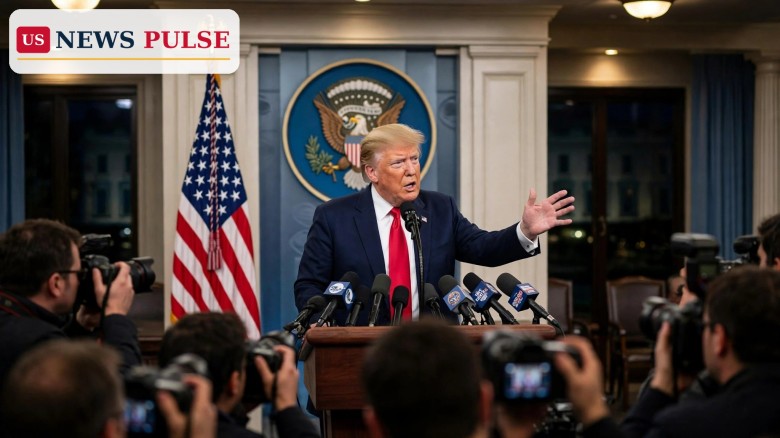
President Donald Trump moved fast on Monday night to shut down the fiercest backlash of his second term from his own supporters, declaring flatly that there will be no amnesty for people living in the United States illegally. The reversal came less than 24 hours after his CBS 60 Minutes interview aired, in which he said his deportation drive had been “too tough” and offered to work with Democrats on a deal for long-term residents without criminal records. Speaking at an impromptu White House press conference late on Monday, November 9, 2026, Trump left no room for doubt.
Key Points
- At a late-night White House press conference on Monday, November 9, 2026, Trump said: “There’s no amnesty. ... There won’t be amnesty.”
- The reversal followed his CBS 60 Minutes interview, aired Sunday, November 8, in which he said his deportation push had been “too tough” and offered to “work a deal” for people in the US illegally for “10 and 15 years”.
- The 31-member House Freedom Caucus led the backlash, posting “NO AMNESTY. NO AMNESTY GARBAGE UNDER ANY OTHER NAME”.
- Homeland Security Secretary Markwayne Mullin said enforcement “isn’t going to change” and “we’re never going to allow amnesty to happen”, while leaving the door open to a DACA pathway.
- Trump insisted the deportation policy stays strong, saying “we focus on the worst of the worst”.
What Happened
Trump called reporters together without warning late on Monday evening, and the first question went straight to the storm that had consumed conservative media all day: had he really opened the door to amnesty? The president did not hesitate. “There’s no amnesty,” he said. “There won’t be amnesty. Somebody suggested, will there be amnesty? No.” He then restated the enforcement-first position that has defined his immigration policy since he returned to office. “We have a very strong deportation policy,” Trump said. “We keep that, but we focus on the worst of the worst.”
Background: The 60 Minutes Interview That Started It
The trouble began on Sunday evening, when the full 60 Minutes interview aired. Trump told Douthat that his deportation push had been “too tough” and that it had hurt Republicans in the November 3 midterm elections, in which Democrats swept back into control of both the House and the Senate. He said he would “love” to work with Democrats on a deal for people in the United States illegally for “10 and 15 years” without other crimes.
The remarks cut against the core promise of Trump’s second term. Mass deportation was the centrepiece of his 2024 campaign, backed by an enforcement drive that has arrested not only people with criminal records but also otherwise law-abiding residents — a point Trump himself acknowledged. The White House first insisted the word amnesty never appeared in the exchange. That defence did not calm the reaction.
Trump’s “No Amnesty” Reversal
Monday night’s press conference was the correction. Trump’s language was absolute: no amnesty, no deal that could be described as amnesty, no change to the deportation policy. The phrase “worst of the worst” — his shorthand for prioritising the removal of people with serious criminal records — was back at the centre of his message.
The reversal fits a familiar pattern: Trump floats a position, measures the reaction, and retreats fast when his base revolts. What made this episode different was the speed and scale of the revolt — within hours, hardline members of his own party were publicly warning him, and leading conservative voices were using the word “betrayal”.
Reactions: From the Freedom Caucus to the Cabinet
The backlash was led by the House Freedom Caucus, the 31-member group of hardline conservatives. Its official account posted: “NO AMNESTY. NO AMNESTY GARBAGE UNDER ANY OTHER NAME.” The message was unmistakable: any proposal giving legal status to people in the country illegally, whatever it is called, would face organised opposition from the right flank of Trump’s own party.
Conservative commentator Megyn Kelly wrote: “And now amnesty. Seriously?” Nalin Haley, wife of former South Carolina governor Nikki Haley, said Trump had “betrayed his base”. Tomi Lahren said deportations “haven’t gone nearly far enough”, while Steve Cortes warned softening enforcement “will be a disaster”.
Inside the administration, the message was mixed. Homeland Security Secretary Markwayne Mullin said enforcement “isn’t going to change” and “we’re never going to allow amnesty to happen”. But Mullin also said Trump had encouraged him to work with Democrats who reached out about immigration reform, and that Congress could consider a pathway to permanent legal status for DACA recipients.
Why It Matters
Immigration defines Trump’s presidency more than any other issue, and it is the one on which his coalition is most sensitive to compromise. The November 3 midterms showed the limits of that coalition: Democrats won both chambers, and Trump himself told 60 Minutes that his deportation drive had hurt his party. After the defeat, his instinct was to soften the message and look for a deal; his base’s instinct was to hold the line. For the millions of people living in the United States without legal status, the message is now clear: whatever was hinted at on Sunday night, there will be no amnesty.
What Happens Next
The immediate question is whether the reversal holds. Trump has now said, on the record and on camera, that there will be no amnesty — a commitment his base will hold him to. Any future immigration talks with Democrats will have to be framed as enforcement first, with legal status for DACA recipients as the only concession Mullin has publicly floated. When the new Democratic Congress takes office in January, Monday showed how quickly his own side can turn on him when he reaches across the aisle.
Frequently Asked Questions
What did Trump say about amnesty on Monday?
At an impromptu White House press conference late on Monday, November 9, 2026, he said: “There’s no amnesty. ... There won’t be amnesty.” He added that the deportation policy stays strong and focuses on “the worst of the worst”.
What did he say in the 60 Minutes interview?
In the interview aired Sunday, November 8, he said his deportation push had been “too tough”, hurt Republicans in the midterms, and that he would “love” to work with Democrats on a deal for people in the US illegally for “10 and 15 years” without other crimes.
Who criticised him?
The House Freedom Caucus posted “NO AMNESTY. NO AMNESTY GARBAGE UNDER ANY OTHER NAME”. Megyn Kelly wrote “And now amnesty. Seriously?” and Nalin Haley said he had “betrayed his base”.
What did Homeland Security Secretary Markwayne Mullin say?
Mullin said enforcement “isn’t going to change” and “we’re never going to allow amnesty to happen”, but said Congress could consider a pathway to permanent legal status for DACA recipients.
Does this kill any immigration deal with Democrats?
Not entirely. Trump has ruled out amnesty, but Mullin left open a narrow DACA pathway. Any deal would now have to be framed as enforcement first.
Read more: Trump 60 Minutes Interview: Deportations ‘Might Be Too Tough,’ Iran Call Again and House Freedom Caucus Rejects Trump’s Amnesty Pitch as ‘Total Betrayal’. (Sources: USA Today, CNN, Washington Examiner, November 9, 2026.)
© 2026 US News Pulse. All rights reserved.
 Print
 Save