
Foundayo Pill Cuts Sleep Apnea Episodes by 44% in Lilly Phase 3 Trials
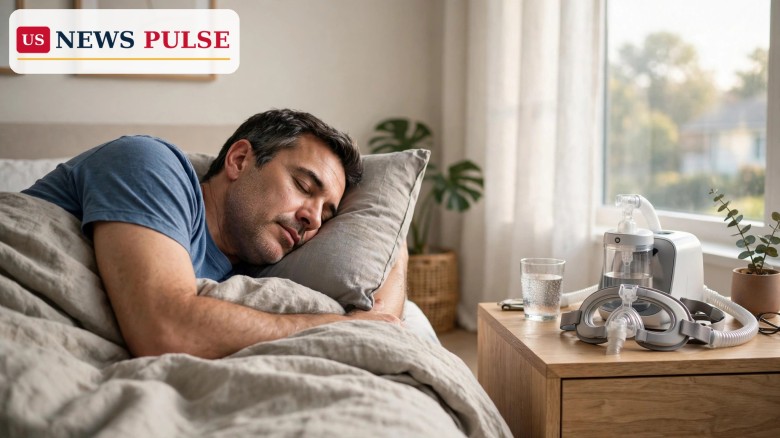
Eli Lilly's once-daily weight-loss pill Foundayo cut sleep apnea episodes by up to 44% in late-stage trials, new results showed on Monday, raising hopes that a simple daily tablet could help millions of Americans who cannot tolerate the breathing machines that are today's standard treatment.
The findings, from two Phase 3 trials in 712 adults with moderate-to-severe sleep apnea and overweight or obesity, were presented at the American Heart Association meeting in Chicago and published in JAMA. Lilly said it will ask the FDA to approve Foundayo for sleep apnea by the end of 2026.
Key Points
- Foundayo, also known as orforglipron, cut breathing interruptions by 43.8% in adults who did not use positive airway pressure (PAP), and by 27.5% in those who stayed on it.
- Nearly a third of non-PAP participants — 31.5% — reached remission or mild disease, against 19.6% of those who kept using PAP.
- Sleep apnea-related oxygen deprivation, or hypoxic burden, fell by 55.9% in the non-PAP group and 45.8% in the PAP group.
- Participants lost about 11% of their body weight, around 28 pounds, over the 52 weeks of the trials.
- Foundayo is already approved in the US for obesity, but not yet for sleep apnea — and most participants still had sleep apnea at the end: a major improvement, not a cure.
What Happened
Lilly announced the results on Monday, November 9, 2026, from its ATTAIN-OSA programme, two year-long trials of the same once-daily pill in different groups. One enrolled 363 adults who could not or would not use PAP therapy, the pressurised-air treatment given through a mask at night; the other enrolled 349 adults who kept using PAP throughout.
Doctors measure sleep apnea with the apnea-hypopnea index, or AHI, counting how many times breathing pauses or grows shallow in an hour of sleep. In the non-PAP group, Foundayo cut that score by 21.1 events per hour — a 43.8% fall from 50.7 — against 4.3 on placebo. In the PAP group, it cut events by 18.3 per hour, or 27.5%, from 57.6, against 5.5 on placebo. Foundayo users also lost 11.5% of body weight in the non-PAP group and 11.2% in the PAP group.
Background: What Sleep Apnea Is, and Why CPAP Is Hard to Stick With
Obstructive sleep apnea is a breathing disorder in which the muscles and soft tissues of the upper airway relax during sleep, narrowing or briefly blocking the airway. Breathing pauses again and again, disrupting sleep and cutting blood oxygen. Common symptoms include loud, constant snoring, gasping or choking during sleep, waking up often, morning headaches, daytime sleepiness and difficulty concentrating.
Left untreated, it raises the risk of high blood pressure, heart disease and stroke. The standard treatment is CPAP, a machine that sends a steady flow of air through a mask to keep the airway open. It works when used, but many find the mask uncomfortable and stop using it, or wear it only part of the night. Excess weight is a main risk factor, as fat around the neck makes the airway more likely to collapse — and Foundayo, an oral GLP-1 drug that curbs appetite, attacks that driver directly.
Foundayo Sleep Apnea Results: What the ATTAIN-OSA Trials Showed
The headline result is the size of the fall in breathing interruptions, but the detail underneath is just as important. In the non-PAP group, almost one in three participants finished the year in remission or with only mild disease, a result that would have seemed out of reach for a pill. In the PAP group, 19.6% reached the same point, on top of the benefit the machine already gave them.
Oxygen levels improved sharply too: hypoxic burden fell 55.9% without PAP and 45.8% with it, and repeated oxygen drops are thought to drive much of the heart damage linked to untreated sleep apnea. But limits remain: even after a year, most participants still had sleep apnea, and doctors will want full safety data and real-world results before deciding who should take it.
Reactions and Quotes
Vaishnavi Kundel, the study's presenting author at the Icahn School of Medicine at Mount Sinai, said the results point to a new kind of option for patients. "If approved to treat obstructive sleep apnea, orforglipron could be a promising oral pharmacologic option for people with overweight or obesity and this condition," she said. "A convenient daily pill may help expand access to treatment for sleep apnea, and it could potentially be used with CPAP or other therapies to better meet individual patient's needs." Her caution matters: the trials do not show patients can stop using CPAP. For people who use their machine well, the pill may be an addition, not a replacement — and for those who cannot use CPAP at all, it may be the first drug treatment that genuinely helps. The news adds to a strong run for Lilly, which reported a record third quarter driven by Mounjaro and Zepbound.
Why It Matters
Sleep apnea is one of the most common and most undertreated chronic conditions in the United States. Millions live with it without knowing, and many diagnosed give up on CPAP within months. A daily pill that cuts breathing interruptions by more than 40% in people who do not use a machine would change the options for that whole group. It also shows how far GLP-1 medicines have travelled: drugs built for diabetes, then weight loss, now ease the conditions obesity causes. If regulators agree, it would be one of the first oral medicines approved for sleep apnea, treated for decades with machines, mouth devices and surgery.
What Happens Next
Lilly plans to submit the ATTAIN-OSA findings to the FDA by the end of 2026, seeking approval for Foundayo for moderate-to-severe obstructive sleep apnea in adults with overweight or obesity. The agency will review the full trial data, including safety, before deciding, and a decision could come during 2027. Doctors and patients will watch who benefits most, side effects with longer use, cost, and whether insurers cover it for sleep apnea as well as obesity. For now, the message is clear: a daily pill cut sleep apnea episodes by up to 44%. Read more in our health coverage of new US drug policies.
Frequently Asked Questions
What is Foundayo?
Foundayo, generic name orforglipron, is Eli Lilly's once-daily oral GLP-1 weight-loss pill, approved by the FDA for obesity in April 2026 — but not yet for sleep apnea.
How much did Foundayo cut sleep apnea episodes?
They fell by 43.8% in adults not using PAP and by 27.5% in adults who stayed on it, over 52 weeks.
Can Foundayo replace CPAP?
Not on the current evidence. The pill helps with or without CPAP, but the trials do not show patients can stop using their machine. It may be used alongside CPAP.
When could Foundayo be approved for sleep apnea?
Lilly plans to file with the FDA by the end of 2026. A decision would follow the agency's review, possibly during 2027.
Does the pill cure sleep apnea?
No. Most participants still had sleep apnea after a year, although it was much milder for many, and about a third of non-PAP users reached remission or mild disease.
© 2026 US News Pulse. All rights reserved.
 Print
 Save