
Ron Johnson Senate Leadership Walkout Threat Shakes GOP Vote on Tuesday
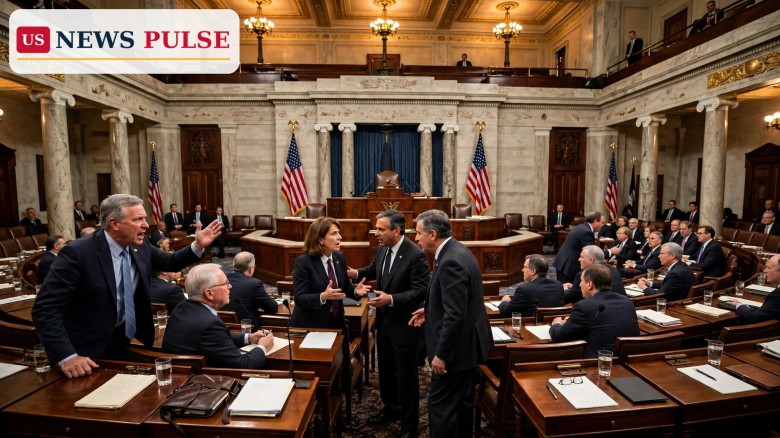
Wisconsin Republican Sen. Ron Johnson says he will walk out of the room if Senate Republicans hold their leadership elections on Tuesday, November 10, calling it "obnoxious" to choose leaders so soon after the party's midterm losses. Johnson told the Washington Examiner on Monday that he would refuse to take part in the secret-ballot vote, a rare public boycott threat against his own party's leadership. Seven Republican senators are pushing to postpone the election, turning a routine internal vote into the latest test of a party still arguing over what went wrong on November 3.
Key Points
- Sen. Ron Johnson (R-Wis.) said on Monday, November 9, 2026, that he will leave the room if Senate Republicans hold leadership elections on Tuesday, November 10.
- Johnson gathered the five signatures needed to force a Tuesday-morning conference meeting on the party's midterm losses before any vote.
- Seven Republican senators want a delay, per Axios; Sens. Rick Scott, John Kennedy, Ted Budd and Mike Lee signed Johnson's letter calling a rushed vote "political malpractice".
- Delaying the secret-ballot elections needs majority support in the conference; the decision rests with Conference Chair Tom Cotton.
- Johnson ruled out challenging Majority Leader John Thune, running unopposed, who would become minority leader when Democrats take control in January.
What Happened
Johnson's threat came in a Monday interview with the Washington Examiner, a day before Senate Republicans were due to pick their leaders for the next Congress. "If you hold the election, I'll leave the room. I'm not going to participate in elections for leadership tomorrow," Johnson said. He called the vote "obnoxious" — barely a week after voters handed Democrats the Senate.
Johnson is not acting alone. He collected the five signatures required to force a meeting of the full Republican conference on Tuesday morning, so senators can discuss the losses before the scheduled vote. Per Axios, seven Republican senators are pressing for the election itself to be postponed, and four of them — Scott of Florida, Kennedy of Louisiana, Budd of North Carolina and Lee of Utah — signed Johnson's letter. Postponing the vote would need a majority of the conference, and the decision rests with Conference Chair Tom Cotton of Arkansas.
Background and Context
The fight is the latest aftershock of the November 3 midterms, in which Democrats picked up at least seven Senate seats and flipped the chamber. When the new Congress convenes on January 3, 2027, Republicans will be in the minority, and Thune — the current majority leader — would become minority leader if re-elected on Tuesday. Johnson's argument: work out why it lost before deciding who leads it into the minority.
Johnson has been one of the loudest Republican critics of the party's campaign. He blamed the losses on the Iran war, tariff uncertainty and the failure to keep the Make America Healthy Again movement inside the Republican fold — the same grievances behind his accusation on Saturday that the Trump administration was captured by corporate interests. The unrest is not limited to the Senate: in the House, Speaker Mike Johnson announced last week that he will not seek the Republican leadership job, while seven incoming Democratic senators have refused to back Chuck Schumer.
Ron Johnson Senate Leadership Walkout: What the Boycott Would Mean
A walkout by Johnson would be symbolic rather than decisive. Leadership elections are decided by secret ballot, so one senator refusing to vote would not by itself change the result — and Thune is running unopposed. The point of the threat is pressure: by publicly refusing to take part, Johnson is telling his colleagues that a vote held on Tuesday would lack legitimacy,
Johnson has also made clear what he is not doing. He ruled out challenging Thune himself, saying: "I don't think so. It's not my intention. I don't want to be leader." That makes it a protest about process and timing, not a contest for the job. Whether the delay happens comes down to numbers: seven senators are publicly pushing for a postponement, but a delay needs a majority of the conference. If Cotton keeps the vote on schedule, Johnson will have to decide whether to carry out the walkout he has promised.
Reactions and Quotes
Sen. Mike Lee of Utah, one of the signatories to Johnson's letter, backed the delay in blunt terms, writing that Republicans have "no business holding Senate Republican leadership elections" until they have discussed what happened in the midterms and know who will be in the conference.
Johnson's own words have done the most damage to the leadership's timetable. "If you hold the election, I'll leave the room. I'm not going to participate in elections for leadership tomorrow," he told the Washington Examiner. The letter calls a rushed vote "political malpractice" — language that turns a scheduling dispute into a charge about the party's judgment. Neither Thune nor Cotton had publicly answered Johnson's threat by Monday evening.
Why It Matters
Leadership elections are usually the quietest business in the Senate: unopposed incumbents are re-elected by acclamation and nobody outside the chamber notices. This one matters because it has become a proxy for a much larger argument about why Republicans lost both chambers and who should be blamed. Johnson's walkout threat forces that argument into the open one week after the election, instead of letting a routine vote settle it quietly. It also sets the tone for the next two years: the minority leader negotiates with a Democratic majority, and a leadership team chosen in a rush, over its own members' objections, starts weakened.
What Happens Next
First comes the Tuesday-morning conference meeting Johnson forced with his five signatures. Senators will debate the losses — and whether to vote at all — before the scheduled election. If a majority backs a delay, the vote moves; if not, the secret ballot goes ahead and Johnson must decide whether to walk out.
Second, the count of dissenters matters. If the seven grows overnight, Cotton may postpone the vote himself rather than risk a public split. House Republicans pick their leaders on November 18 and 19, and the new Congress convenes on January 3, 2027. However Tuesday ends, the question Johnson is asking will not be settled by one vote.
Frequently Asked Questions
Who is Ron Johnson?
A Republican senator from Wisconsin, first elected in 2010 and up for re-election in 2028, and a longtime Trump ally turned vocal internal critic since the midterms.
What did Johnson threaten to do?
He said he will walk out if Senate Republicans hold their leadership elections on Tuesday, November 10, 2026, calling the timing "obnoxious" so soon after the party's losses.
How many senators want to delay the vote?
Seven, according to Axios. Sens. Rick Scott, John Kennedy, Ted Budd and Mike Lee signed Johnson's letter calling a rushed vote "political malpractice".
Who decides whether the vote goes ahead?
Conference Chair Tom Cotton. A delay would require majority support in the Republican conference.
Is Johnson challenging John Thune for leader?
No. Johnson said he has no intention of running for leader and does not want the job. Thune is running unopposed and would become minority leader when Democrats take control in January.
© 2026 US News Pulse. All rights reserved.
 Print
 Save