
Colorado Voters Approve Proposition 135 Banning Gender Surgeries for Minors
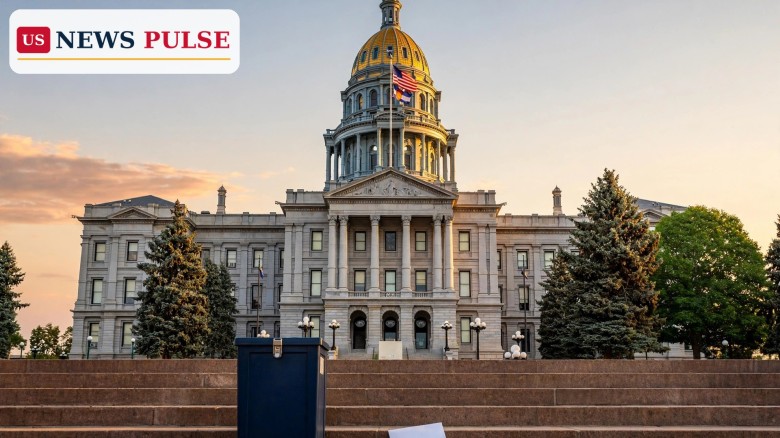
DENVER — Colorado voters have approved Proposition 135, a citizen-initiated measure that bans surgeries on minors performed to alter biological sex characteristics in response to a young person's perception of sex or gender, the Associated Press called on Friday, November 6, 2026. The result leaves voters, rather than lawmakers, to decide the limits of gender-related medical care for children in Colorado.
The measure passed with 52.03 percent voting yes (1,338,255 votes) against 47.97 percent voting no (1,233,751 votes). Voters also approved companion Proposition 134, on school sports by sex assigned at birth, by nearly 53 percent. Proposition 135 takes effect on January 1, 2027, although results will not be certified until November 30. Because both measures are statutory, the legislature can amend or repeal them with a simple majority vote.
Key Points
- Colorado voters approved Proposition 135 by 52.03 percent to 47.97 percent — 1,338,255 yes votes against 1,233,751 no — the Associated Press called on November 6, 2026.
- The statute bans surgery on minors to alter biological sex characteristics in response to a minor's perception of sex or gender.
- It also bars state and federal funding, Medicaid reimbursement and insurance coverage for the prohibited surgeries.
- It does not restrict non-surgical care such as puberty blockers, hormone treatment or counselling.
- The companion Proposition 134, on school sports by sex assigned at birth, also passed, at nearly 53 percent, and opponents of both measures conceded defeat on November 6.
What Happened
The Associated Press called Proposition 135 on Friday, November 6, three days after the November 3 election. The yes side held a steady lead of just over four percentage points as the final ballots were tallied, and opponents conceded defeat on Thursday, November 6, before the formal call.
Proposition 135 reached the ballot through a citizen initiative, with supporters gathering the required signatures to put the question directly to voters. The measure prohibits surgery on patients under 18 to alter biological sex characteristics in response to the minor's perception of sex or gender, and bars state and federal funding, Medicaid reimbursement and insurance coverage for it.
Exceptions cover male circumcision and treatment for specified developmental or acquired medical conditions. It places no restriction on non-surgical care, so puberty blockers, hormone treatment and counselling for young people remain lawful in Colorado.
Background and Context
Colorado entered the election as a state where transgender young people have had broad access to gender-affirming care. Yet the practical effect may be narrower than the campaign suggested: according to the official voter guide, Colorado's three largest paediatric surgical providers already do not perform gender- or sex-based surgeries on transgender patients under 18.
The measure lands in the middle of a national fight, as dozens of states have debated or enacted restrictions on gender-related care for minors. Colorado is unusual in that the question was decided by a direct public vote rather than by legislation, in a state that has trended Democratic.
Colorado Proposition 135: What the New Law Does and Does Not Do
The statute applies only to surgical procedures on minors intended to alter biological sex characteristics because of the patient's perception of sex or gender. It does not ban counselling, puberty blockers or hormone therapy, and it does not prevent doctors from treating the medical conditions listed in its exceptions.
The funding provisions are broad: by barring public funding, Medicaid reimbursement and insurance coverage for the prohibited surgeries, the measure aims to make the ban effective even if a provider elsewhere were willing to perform them. In practice, their reach will depend on how state agencies interpret them and on whether the law is challenged in court.
Enforcement is an open question: how violations would be identified and penalised will fall to regulators and, potentially, to the courts. Similar laws in other states have drawn lawsuits within weeks of passage, and legal observers expect Proposition 135 to face the same scrutiny.
Reactions and Quotes
Opponents of both measures conceded defeat on Thursday, November 6. Their concession came a day after governor-elect Phil Weiser, who opposed both measures, said on Wednesday, November 4, that they need "a long, hard look" and that adjustments may be necessary — a signal that the incoming administration does not regard the measures as the final word.
Weiser's comment is the most significant political reaction so far: he will lead the state government when the measures take effect and oversee the agencies that must carry them out, and his suggestion points toward a legislative debate in the 2027 session.
Supporters welcomed the result as a clear message that minors should be protected from irreversible decisions, and read the four-point win as evidence that public opinion has moved faster than the political establishment. Opponents, including LGBTQ advocacy groups and many medical organisations, argued throughout the campaign that the measures single out a small and vulnerable group of young people, and that the decisions at issue are rare, made only after extensive assessment, and should remain with families and clinicians.
Why It Matters
Proposition 135 matters beyond Colorado: restrictions on gender-related care for minors can win at the ballot box even in a state that is not a conservative stronghold. Campaign strategists will study the result as they weigh similar measures elsewhere.
It also matters because of what it does not do. By leaving puberty blockers, hormone treatment and counselling untouched, it draws a line between surgical and non-surgical care that is likely to shape future debates. For families and clinicians, the practical consequences will become clearer as hospitals and insurers await guidance on what is now prohibited.
What Happens Next
The next step is certification: results will not be certified until November 30, after which the outcome becomes official. Proposition 135 then takes effect on January 1, 2027, giving state agencies two months to prepare guidance for hospitals, insurers and providers.
The 2027 legislative session will be the next arena. Weiser's remark points to a debate over whether the measures should be amended; any change would need a simple majority in both chambers, but supporters will press lawmakers to respect the voters' decision. Legal challenges are also likely: similar restrictions elsewhere have been challenged on constitutional grounds, and advocacy groups are reviewing their options in Colorado.
Frequently Asked Questions
What does Proposition 135 ban?
It bans surgeries on minors performed to alter biological sex characteristics in response to the minor's perception of sex or gender, and bars public funding, Medicaid reimbursement and insurance coverage for them.
Does Proposition 135 ban puberty blockers or hormone treatment?
No. Puberty blockers, hormone treatment and counselling remain lawful in Colorado.
When does Proposition 135 take effect?
January 1, 2027. Results will not be certified until November 30, 2026.
Can the Colorado legislature change Proposition 135?
Yes. Both measures are statutory, so lawmakers can amend or repeal them with a simple majority and the governor's signature.
What was the result of the vote?
It passed with 52.03 percent yes (1,338,255 votes) to 47.97 percent no (1,233,751 votes). The Associated Press called it on November 6, 2026; Proposition 134 also passed, at nearly 53 percent.
Related coverage: Transgender sports ballot measures face voters in four states on Nov. 3, and more in Elections 2026.
© 2026 US News Pulse. All rights reserved.
 Print
 Save