
Firm Linked to Trump's Sons Won Nearly $40M in Federal Ebola Contracts
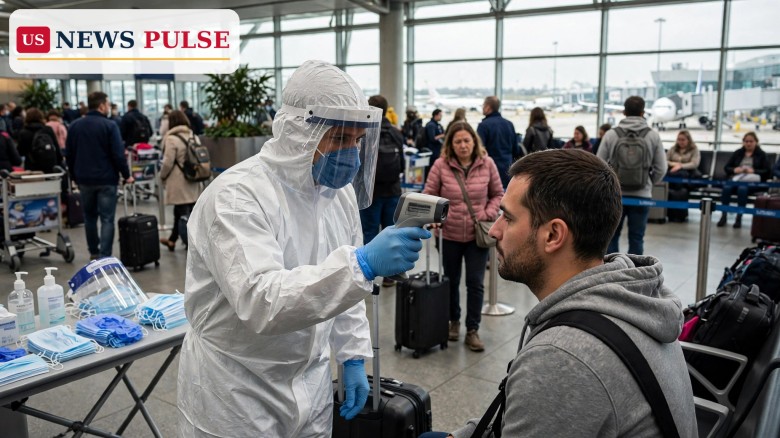
A company with close financial ties to President Donald Trump's sons has won nearly $40 million in federal contracts to screen travellers for Ebola and respond to the outbreak in the Democratic Republic of Congo, a ProPublica investigation published on Monday found.
The contracts went to XpresTest, the biosecurity arm of XWELL, a company founded in 2006 to run airport spas. The firm has never worked with Ebola and has never provided biosecurity services outside the United States — a fact its own chief executive acknowledged when he called the Congo assignment a gamble.
Key Points
- The CDC awarded XpresTest $18.8 million in June 2026 for "Ebola entry screening services" at several US airports.
- The State Department awarded $20 million from September 2026 for outbreak response in the Democratic Republic of Congo, where Ebola has killed more than 5,000 people this year.
- The $38.8 million combined is seven times all the government contracts the company had directly received before.
- In February 2026, the American Ventures fund invested about $30 million in XWELL, then valued at just $3 million and close to bankruptcy.
- American Ventures was launched by Dominari Holdings, which hired Donald Trump Jr. and Eric Trump as advisers and gave them a stake of more than 10 per cent.
What Happened
ProPublica's investigation, published on Monday, November 9, traced two federal awards to XpresTest in three months. In June, the CDC signed an $18.8 million contract for Ebola entry screening at several American airports, to keep the Congolese outbreak from reaching the United States. In September, the State Department awarded $20 million for outbreak response in the Democratic Republic of Congo.
The scale is striking against the company's history. Before 2026, XWELL had directly received only about $5.5 million in government contracts in total. The two Ebola awards, worth $38.8 million combined, are roughly seven times that lifetime figure.
The awards followed an investment that changed the company's fortunes. In February 2026, American Ventures put about $30 million into XWELL, taking roughly a 10 per cent stake in a company then valued at just $3 million. Chief executive Ezra Ernst told ProPublica: "We were so cash-strapped, close to bankrupt." American Ventures was launched by Dominari Holdings, which hired Donald Trump Jr. and Eric Trump as advisers and gave the president's sons a stake of more than 10 per cent in Dominari.
Background: From Airport Spas to Ebola Screening
XWELL was founded in 2006 as a chain of airport spas, and for most of its life that is what it remained. Its biosecurity subsidiary, XpresTest, does have years of experience running Covid-19 screening at airports — but Covid testing is a very different task from Ebola work.
Ebola is one of the world's most dangerous pathogens, and the current outbreak in the Democratic Republic of Congo is the deadliest and fastest-growing in the country's history. More than 10,000 cases have been confirmed and more than 5,000 people have died in 2026, most from the rare Bundibugyo strain, for which there is no approved vaccine or treatment.
XpresTest has never worked with Ebola and has never provided biosecurity services abroad, ProPublica found. "This is a risky contract. I'm not sure we can do it," Ernst said. In July 2026, XWELL announced plans to sell XpresTest and its spas for $13 million, contracts included.
How the XWELL Ebola Contracts Were Awarded
The central question is how a near-bankrupt spa company with no Ebola experience won contracts worth nearly $40 million. The State Department told ProPublica its $20 million award went through a competitive process, but gave no further detail. The CDC did not respond to questions about its $18.8 million award.
Dominari chief executive Anthony Hayes said he had never seen the Trump brothers use the family name to influence a contract. A spokesperson for Donald Trump Jr. and Eric Trump said the two are "merely passive, minority investors" in Dominari, with no involvement in or knowledge of the contracts. ProPublica does not allege the awards were unlawful, and no evidence has emerged that the president's sons intervened — but the pattern is the kind that draws scrutiny in Washington.
Reactions and Quotes
The Trump sons' spokesperson stressed distance from the deals, describing them as "merely passive, minority investors" with no involvement in or knowledge of the contracts. The State Department defended its award as competitive, while the CDC declined to answer questions at all.
Ernst was frank about both the company's finances and the Congo work. "We were so cash-strapped, close to bankrupt," he said of the period before the investment. On the Congo contract: "This is a risky contract. I'm not sure we can do it."
Why It Matters
First, Ebola is not a routine government contract. The Congo outbreak has killed more than 5,000 people this year, and the screening and response work is meant to protect both Congolese communities and the American public. When that work goes to a firm with no Ebola experience, the quality of the response itself becomes a public health question.
Second, the contracts raise familiar questions about conflicts of interest. Federal contracting rules are designed to keep politics out of procurement, and the State Department says its process was competitive. But when a company tied financially to the president's family wins $38.8 million after years of winning almost nothing, lawmakers and watchdogs are likely to ask for the paperwork.
What Happens Next
The contracts are in force: airport screening is under way and the Congo response work has begun. Attention now turns to oversight. Members of Congress may seek the award documents from both agencies, and the planned $13 million sale of XpresTest — with the contracts attached — will draw scrutiny.
For XWELL, the immediate question is whether it can do the work it has been paid to do. Its chief executive has already said he is not sure. If the Congo operation falters, the contracts will test not only the company's competence but the government's judgment in choosing it.
Read more: CDC Ebola attestation rule for US-bound travellers explained; Congo Ebola outbreak passes 10,000 cases as deaths near 4,900; British doctor with Ebola evacuated from DR Congo to London.
Frequently Asked Questions
How much did XpresTest win in federal Ebola contracts?
Nearly $40 million: $18.8 million from the CDC in June 2026 for airport Ebola screening, and $20 million from the State Department from September 2026 for outbreak response in the Democratic Republic of Congo.
What is the connection to President Trump's sons?
American Ventures, which invested about $30 million in XWELL in February 2026, was launched by Dominari Holdings. Dominari hired Donald Trump Jr. and Eric Trump as advisers and gave them a stake of more than 10 per cent. The sons' spokesperson says they are passive, minority investors.
Has XpresTest worked with Ebola before?
No. It has years of experience with Covid-19 screening at airports, but ProPublica found it has never worked with Ebola or provided biosecurity services outside the United States.
How deadly is the Congo Ebola outbreak?
More than 5,000 people have died in 2026, with over 10,000 confirmed cases — the deadliest and fastest-growing Ebola outbreak in the Democratic Republic of Congo's history.
© 2026 US News Pulse. All rights reserved.
 Print
 Save