
ICE Recruits With Misconduct Records: 19 New Officers Had Red Flags, Post Finds
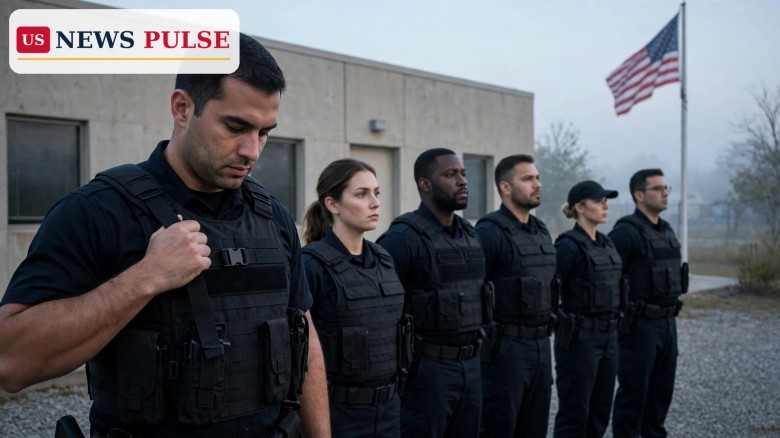
At least 19 newly hired US Immigration and Customs Enforcement officers arrived at the agency with documented records of misconduct, criminal charges, use-of-force incidents or lawsuits that ended in settlements, a Washington Post investigation published on Tuesday found. The findings raise fresh questions about how the Trump administration vetted the thousands of officers rushed into service this year — and what happens when people carrying a gun and a badge were flagged as risks before they were hired.
Key Points
- The newspaper vetted about 300 of the new hires. At least 19 of them had documented misconduct, criminal charges, use-of-force incidents or lawsuits that ended in settlements.
- At least six of the recruits had previously been fired, stripped of their certification or pushed to resign by earlier employers. At least five had use-of-force histories, and five were named in lawsuits that produced settlements.
- At least two of the recruits were involved in shootings in recent months, including one in Maine in which Johan Sebastián Durán Guerrero, 25, a young Colombian father, was killed on July 13.
- The Post could check the backgrounds only because activists hacked a Department of Homeland Security employee database in late October — the “Icepick” dump — and published details on thousands of workers, including about 1,500 ICE officers hired in Trump’s second term.
- The hires came in a recruiting drive offering bonuses of up to $50,000. By January, the department said it had hired 12,000 officers — and ICE has since let go of some recruits after belatedly finding problems.
What Happened
The Washington Post published its findings on Tuesday, November 10, after matching the leaked personnel records against court files and employment histories. It vetted about 300 of the roughly 1,500 ICE officers hired in Trump’s second term whose details appeared in the hacked database. The review found at least 19 whose pasts raised clear warnings. Six had been fired, stripped of certification or pushed to resign by previous employers. Five had histories of using force. Five more had been named in lawsuits that ended in settlements. At least two had been involved in shootings in recent months. One of those shootings took place in Biddeford, Maine, on July 13, when Johan Sebastián Durán Guerrero, a 25-year-old Colombian father, was killed. The Post described a pattern: people who had already lost jobs in law enforcement, or paid out settlements over their conduct, were nonetheless handed federal badges and guns. ICE has since dismissed some recruits after belatedly discovering problems — a sign vetting missed warnings already on the public record.
Background: A Hiring Surge at Full Speed
The hiring drive behind the findings was one of the fastest in the agency’s history. After President Trump returned to office, the Department of Homeland Security called on Americans to “defend the homeland” and offered signing bonuses of up to $50,000 to new immigration officers. By January, the department said it had brought on 12,000 officers, part of a much larger enforcement expansion funded by Congress. The speed of that build-up is now the central question: hiring 12,000 officers in months leaves little time for the careful background checks that normally screen out troubled candidates — and the Post’s findings suggest some failed. The records reached the newspaper only because of a hack: in late October, activists broke into a DHS employee database and published details on thousands of workers — the “Icepick” dump, covering roughly 1,500 ICE officers hired in Trump’s second term. What the Post did next was different: it checked those names, one by one, against the public record.
ICE Recruits and the Red Flags the Post Found
The 19 recruits the Post identified were not flagged for minor blemishes. The newspaper’s categories were the ones that matter most for armed federal officers: people fired or pushed out of earlier jobs, people stripped of their law enforcement certification, people with records of using force, and people sued over their conduct in cases that ended with settlements. A single old complaint might be explained away. A firing, a lost certification or a settlement is a documented judgment — the kind of record hiring is supposed to catch. That some were hired anyway, and that ICE has since dismissed some after discovering the problems, points to vetting that moved too fast. The Post could check only about 300 of the roughly 1,500 new hires named in the leak, which means the 19 it found may not be the full count. If the same rate held across all 1,500, the number with red flags could be far higher.
Reactions and Quotes
Former Department of Homeland Security Inspector General John Roth was one of three experts who reviewed the findings for the Post. “This is a pretty bad list of conduct,” Roth said. “They have no business having a gun and a badge in the federal workforce.” Former ICE labour chief Peter Mina said lawsuits against applicants should at minimum be “flagged to ICE and reviewed” before anyone is hired. The problem, both said in effect, is not only that troubled recruits were hired, but that the warning signs were already documented. The findings also land in a heated political fight over the agency.
Why It Matters
Immigration officers carry guns, make arrests and use force in homes, workplaces and streets across the country. The public trusts them to exercise that power lawfully — and that trust depends on the people holding it having been properly screened. When officers with documented misconduct are hired anyway, every arrest and every use of force carries a shadow of doubt. The Maine shooting shows why the stakes are not abstract. Vetting is not paperwork: it is the first line of protection for the public and for the agency itself.
What Happens Next
The Post’s findings are likely to draw questions in Congress, where Democrats have already been pressing the administration over immigration enforcement. Lawmakers may ask how many of the 19 are still serving, what ICE knew when it hired them, and whether vetting has changed. The department may also face pressure to re-check the roughly 1,200 remaining new hires the Post did not vet. For now, the 19 cases test whether speed or standards will define the largest immigration-enforcement expansion in a generation.
Frequently Asked Questions
How many ICE recruits had red flags?
At least 19 of the roughly 300 new hires the Post vetted.
What kind of misconduct was found?
Firings, lost certifications, use-of-force histories, criminal charges and lawsuits that ended in settlements.
How did the Post get the records?
From the “Icepick” dump, a hacked DHS employee database published by activists in late October.
What happened in the Maine shooting?
On July 13 in Biddeford, Johan Sebastián Durán Guerrero, 25, a Colombian father, was killed in a shooting involving a recruit.
Has ICE dismissed any of the recruits?
Yes — ICE has let go of some recruits after belatedly discovering problems.
Read more: ICE custody deaths hit a record high | Jeffries vows “no dime” for Trump’s deportation machine | Democrats gear up for immigration fight
© 2026 US News Pulse. All rights reserved.
 Print
 Save