
US Postal Service Warns of Deep Post Office Cuts Without Congress Action
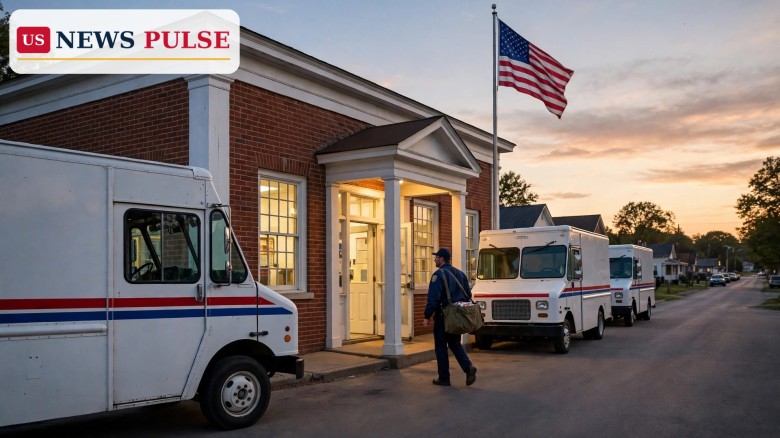
The head of the United States Postal Service warned on Tuesday, November 10, 2026, that the agency will be forced to slash the number of retail post offices across America unless Congress acts, after reporting a $6.5 billion annual loss and a cash crisis that threatens its ability to meet its obligations to employees and the public.
Postmaster General David Steiner delivered the warning at a meeting of the Postal Service's governing board, saying the agency has run out of savings it can find on its own. Without help from lawmakers, he said, the country's mail carrier will have to shrink its footprint and scale back the services Americans rely on every day.
Key Points
- The Postal Service posted a loss of $6.5 billion for the year ending September 30, 2026, against $9 billion in 2025 — but much of the improvement was a paper accounting gain, not lower costs.
- Postmaster General David Steiner warned the agency must cut retail post office locations and marketing mail service levels without action from Congress.
- USPS cut 19 million work hours in fiscal 2026 while consolidating its processing and transportation networks, yet compensation and benefits costs still rose $456 million.
- The Postal Service's inspector general reported in October that the agency faces a $104 billion retirement funding shortfall.
- USPS is pressing Congress to raise its $15 billion debt limit — unchanged since 1992 — and to change how pension costs are shared with the Treasury.
What Happened
Steiner laid out the numbers at the board meeting on Tuesday. For the 12 months ending September 30, 2026, the Postal Service recorded a net loss of $6.5 billion, against $9 billion the year before. But much of the smaller loss came from a non-cash $2.4 billion workers' compensation revaluation, a change in estimates rather than lower costs.
Behind the headline figure, the trend is still going the wrong way. The Postal Service cut 19 million work hours in fiscal 2026 and consolidated its processing and transportation networks, yet compensation and benefits costs rose by $456 million. The agency worked fewer hours and still paid more. That is why Steiner's warning focused on the retail network and marketing mail, a large share of postal revenue. No closure list has been released, but the changes would be drastic, not marginal.
Background and Context
The United States Postal Service is an independent agency of the federal government, funded almost entirely by the postage and services it sells rather than by tax dollars. It carries a universal service obligation: it must deliver to every address in the country, six days a week, at uniform rates, whether that address is a Manhattan apartment block or a farmhouse at the end of a dirt road in Montana.
That mission has grown harder to pay for. First-class mail volume has fallen for years as Americans pay bills online, while package delivery is fought over by private competitors. The agency has lost money in recent years, and its borrowing is capped by a $15 billion debt limit unchanged since 1992. Congress gave some relief with the Postal Service Reform Act of 2022, but the law did not close the gap.
US Postal Service Faces a $104 Billion Retirement Funding Gap
The deepest hole in the Postal Service's books is not this year's operating loss but the money it owes its workforce in retirement. The inspector general reported in October that the agency faces a $104 billion retirement funding shortfall — the gap between what it has set aside and what it will owe workers in pensions and health care.
That shortfall is the backdrop to the accounting gain that flattered the 2026 result. The $2.4 billion revaluation was a change in estimates, not cash in the bank. The agency wants Congress to change how the older Civil Service Retirement System costs are split with the Treasury, and to raise the $15 billion debt limit — but borrowing is not a cure, since every dollar borrowed must be repaid from postage revenue.
Reactions and Quotes
Steiner put the choice before Congress in plain terms. "We will need to make drastic changes in the number of Post offices and marketing mail service levels, and we will need to look at other areas to generate the cash we need to meet our obligations to our employees and to the American public," the postmaster general said at the meeting.
The Postal Service is pressing Congress for two reforms: raising the $15 billion debt limit, frozen since 1992, and changing how Civil Service Retirement System pension costs are divided with the Treasury. Both need legislation, and neither has advanced to a vote.
Why It Matters
A post office is often the only federal presence in a small town. Rural communities depend on theirs for prescription deliveries, government mail and the packages small businesses send across the country. For older Americans and people without reliable broadband, the post office is still how the world arrives.
Marketing mail matters too. The flyers and catalogues in mailboxes are a major source of postal revenue, and small businesses depend on cheap bulk rates. Cutting service levels would raise costs for small businesses. The retirement gap is a promise to workers: if the agency cannot fund it, the pressure falls on employees, retirees and, eventually, taxpayers.
What Happens Next
The next move belongs to Congress. The Postal Service wants a higher debt limit and a new split of pension costs with the Treasury, and lawmakers must decide whether to take up postal reform. If they do not, the agency says it will draw up plans to cut post offices and scale back marketing mail service levels. No closure list has been published.
Frequently Asked Questions
How much money did the Postal Service lose?
USPS reported a net loss of $6.5 billion for the year ending September 30, 2026, against $9 billion the year before, helped by a non-cash $2.4 billion accounting revaluation.
Will my local post office close?
No closure list has been released. Steiner said drastic changes to the number of post offices are coming without action from Congress, decided location by location.
What is the $104 billion retirement shortfall?
The gap between what the Postal Service has set aside and what it owes current and retired workers in pensions and health care, per the inspector general in October 2026.
What does the Postal Service want from Congress?
To raise its $15 billion debt limit, unchanged since 1992, and to change how Civil Service Retirement System pension costs are shared with the Treasury.
Will mail delivery stop?
No. The Postal Service says it will keep delivering mail. The warning covers post office locations and marketing mail service levels, not an end to delivery.
Related reading: Postal worker shoots two co-workers at Des Moines post office, police say · US inflation rose 0.4% in October, hotter than forecast, as core prices climb again
© 2026 US News Pulse. All rights reserved.
 Print
 Save