
Seattle Prosecutors Stop Defending Many ICE Cases as Habeas Flood Grows - US News Pulse
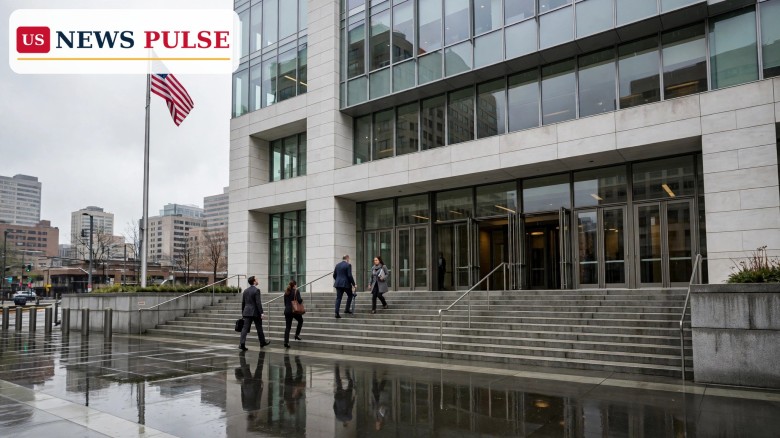
Federal prosecutors in Seattle have told the courts they can no longer defend every immigration detention case in their district, a striking admission that the flood of habeas corpus petitions challenging ICE detention has overwhelmed one of the busiest federal prosecutor's offices in the country.
The United States Attorney's Office for the Western District of Washington said on Monday, November 9, 2026, that it will stop entering appearances in many of the habeas cases filed by detained immigrants. Federal judges will now decide those petitions on the detainee's papers alone, with no government lawyer arguing the other side.
Key Points
- Seattle federal prosecutors say they lack the staff to defend every immigration detention case, and will stop appearing in many habeas petitions.
- Acting US Attorney Charles Neil Floyd warned in an October 26 letter that the cases involve "protracted litigation" that has "severely impacted the government's ability to respond".
- If no government lawyer appears within seven court days of a scheduling order, a judge may rule on the petition using only the petitioner's papers.
- The first detainee freed under the new approach was Baljit Singh, an asylum seeker from India, released on Saturday, November 7.
- About 2,000 immigration habeas petitions were filed in western Washington from January 2025 through November 3, 2026, and nearly 100,000 nationwide.
What Happened
Floyd set out the change in an October 26 letter to Chief US District Judge David Estudillo. He wrote that the office "does not have the available resources, at this juncture, to continue entering AUSA appearances in every one of the dozens of [habeas] petitions filed each week". The cases, he said, involve "protracted litigation" that "consumes substantial AUSA time".
Under the new approach, the government will simply not appear in many cases. If no assistant US attorney files a notice of appearance within seven court days of a scheduling order, the court may decide the petition on the petitioner's papers alone. Floyd also encouraged judges to email the Northwest ICE Processing Center in Tacoma directly when a detainee is to be released, cutting out a step that once ran through his office.
Background and Context
The move follows a surge in habeas petitions that began with the Trump administration's immigration enforcement drive in early 2025. A habeas corpus petition is the legal tool a detained person uses to ask a federal judge to order their release, arguing that their detention is unlawful. Detainees at the Northwest ICE Processing Center in Tacoma, the region's main immigration detention facility, have filed them in large numbers.
About 2,000 immigration habeas petitions were filed in western Washington from January 2025 through November 3, 2026, according to ProPublica figures. Nationwide, nearly 100,000 such cases have been filed in federal district courts since January 2025. Border czar Tom Homan said last week that courts face about 85,000 immigration habeas cases, a caseload that has strained prosecutors, judges and detention staff alike.
The Seattle ICE Habeas Cases: What the Numbers Show
The western Washington numbers show why the Seattle office gave way first. Two thousand petitions in less than two years means dozens of new cases every week, each one demanding a government response, a court filing and often a hearing. Floyd's letter makes clear the office tried to keep up and could not.
The national picture is the same story at a larger scale. With nearly 100,000 habeas cases filed since January 2025, federal courts across the country are carrying a detention docket unlike anything in recent memory. Seattle is the first district where prosecutors have formally told the courts they will stop contesting many of them, but it may not be the last.
Reactions and Quotes
Floyd's letter is blunt about the strain. He told Judge Estudillo the office "does not have the available resources, at this juncture, to continue entering AUSA appearances in every one of the dozens of [habeas] petitions filed each week", and that the litigation "consumes substantial AUSA time" and has "severely impacted the government's ability to respond".
The first test of the new approach came quickly. Baljit Singh, an asylum seeker from India, was released on Saturday, November 7, by US District Judge Tiffany M. Cartwright, five days before the government's answer was due, with final judgment entered on Monday. No government opposition was heard. Homan's figure of about 85,000 pending cases frames the pressure behind the decision, though the administration has not said whether it will send more prosecutors to Seattle.
Why It Matters
For detained immigrants, the change could mean faster releases. A judge deciding a habeas petition with only the petitioner's papers before the court is more likely to order release than one hearing a full government defence. For the government, it means giving up cases it might have won, simply because it cannot staff them.
For the courts, it raises a harder question. Habeas review is meant to test whether detention is lawful, and it works best when both sides are heard. A system in which one side stops showing up may move faster, but it also shifts the burden entirely onto judges, who must now decide liberty cases on a one-sided record.
What Happens Next
More releases are likely in the coming weeks as judges work through the pending petitions. Each case will turn on its own facts, but the government's absence will be felt in every one of them. The Tacoma facility will now take release instructions directly from judges by email, under the procedure Floyd proposed.
The wider question is whether other districts follow Seattle's lead. If the national caseload keeps growing, more US attorney's offices may face the same choice. The Justice Department has not said whether it will add staff, reassign prosecutors, or change detention policy to slow the flow of new petitions.
Frequently Asked Questions
What is a habeas corpus petition?
It is a legal filing in which a detained person asks a federal judge to order their release, arguing that their detention is unlawful. Immigration detainees use it to challenge their continued detention by ICE.
Why did Seattle prosecutors stop defending these cases?
Acting US Attorney Charles Neil Floyd said his office lacks the staff to appear in every one of the dozens of habeas petitions filed each week, and the workload has "severely impacted the government's ability to respond".
What happens if no government lawyer appears?
If no assistant US attorney files a notice of appearance within seven court days of a scheduling order, the judge may rule on the petition using only the petitioner's papers.
Who was the first detainee freed under the new approach?
Baljit Singh, an asylum seeker from India, was released on Saturday, November 7, 2026, by US District Judge Tiffany M. Cartwright, five days before the government's answer was due.
How many immigration habeas cases have been filed?
About 2,000 in western Washington from January 2025 through November 3, 2026, and nearly 100,000 in federal courts nationwide since January 2025, according to ProPublica figures.
Read more: Seattle judge blocks DOJ from forcing Washington to set aside ballots; Trump calls Habba $50 million contract 'unacceptable' after pardon report; Rubio: no need for major combat operations against Iran as sanctions bite.
© 2026 US News Pulse. All rights reserved.
 Print
 Save