
Washington Voters Reject Repeal of 9.9% Millionaire Tax in Initiative 645 Vote
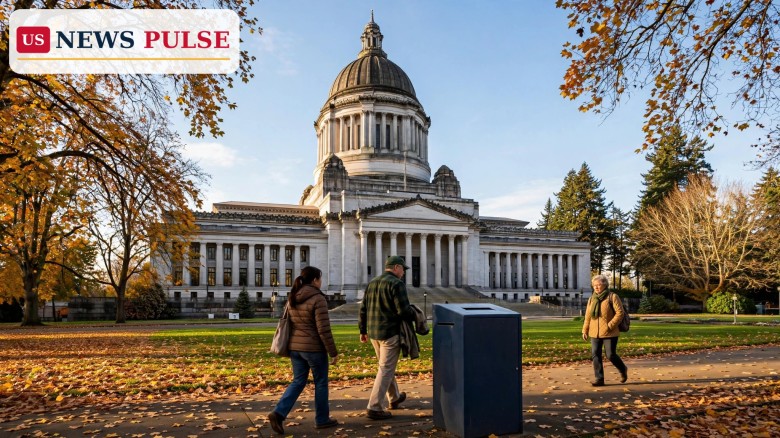
Washington voters have rejected Initiative 645, the ballot measure that would have repealed the state's new 9.9% tax on millionaires, keeping Washington's first income tax on track to take effect in 2028. The Associated Press reported the repeal failing by 58% to 42% with 78% of ballots counted, a decisive margin that backers conceded within days of the November 3 vote.
The result marks the second time in two years that Washington residents have backed a tax aimed at high earners, and it contrasts sharply with California, where voters rejected a one-time billionaire tax in the same election. For Governor Bob Ferguson and the Democratic majority in the legislature, the vote removes the most direct political threat to a tax they say will raise billions for public services.
Key Points
- Washington voters rejected Initiative 645, the bid to repeal the 9.9% tax on annual household income above $1 million, by 58% to 42% according to the Associated Press.
- The tax, passed by the Democratic-majority legislature and signed by Governor Bob Ferguson on March 30, 2026, takes effect January 1, 2028, with first collections due in 2029.
- It applies only to income above the $1 million threshold and affects roughly 30,000 people, with forecasts of about $3.5 billion in the 2027-29 budget cycle.
- Repeal backers conceded defeat on November 5-6, saying a gap of more than 350,000 votes could not be overcome.
- A constitutional challenge filed in April in Klickitat County Superior Court is still pending and is expected to reach the Washington Supreme Court.
What Happened
Initiative 645 asked Washington voters to do two things: repeal the 9.9% tax on annual household income above $1 million, and bar the state and local governments from imposing personal income taxes in the future. Voters said no to both. By the evening of November 5, about 57.6% of counted ballots opposed repeal, and the margin held as counting continued.
Backers conceded defeat on November 5-6, acknowledging that a gap of more than 350,000 votes could not be overcome. The initiative was sponsored by Let's Go Washington, the political action committee of hedge fund manager Brian Heywood, the state's most active sponsor of ballot measures aimed at rolling back Democratic tax and climate policies.
Background: Washington's First Income Tax
The tax was passed by the Democratic-majority legislature and signed by Governor Bob Ferguson, a Democrat, on March 30, 2026, as Senate Bill 6346. It imposes a 9.9% rate on annual household income above $1 million, leaving income below that threshold untouched. Only about 30,000 people in a state of nearly 8 million are expected to pay it.
Washington has long been one of the few states with no personal income tax of any kind, and voters have rejected income tax proposals repeatedly. That history is why the new tax was designed as a narrow levy on income above a high threshold, and why its supporters described it as a millionaire tax rather than a general income tax.
Washington Millionaire Tax: What the Numbers Show
State forecasters expect the Washington millionaire tax to raise about $3.5 billion in the 2027-29 budget cycle and about $9.4 billion in the following two-year period, making it one of the most significant new revenue sources in state history.
That money arrives as Washington, like many states, faces rising costs for schools, health care and social services. Supporters say the revenue will help close budget gaps without cutting services or raising taxes on middle-income households. Critics say the forecasts are uncertain, because the tax depends on the incomes of a small number of very wealthy people whose earnings can swing sharply from year to year.
The margin matters politically too. Losing by 16 points in a midterm electorate, typically older and more conservative than in a presidential year, suggests broader support than opponents expected. The result also contrasts with California, where voters rejected Proposition 40, a one-time tax on billionaires, showing voters draw distinctions between different kinds of taxes on the wealthy.
Reactions
Backers of the repeal conceded defeat on November 5-6, saying the gap of more than 350,000 votes could not be overcome as the remaining ballots were counted. The concession came quickly, reflecting the size of the margin and the fact that the trend had been against repeal from the first results.
Supporters welcomed the outcome as confirmation that voters want the wealthiest residents to contribute more. Opponents, including business groups and the Let's Go Washington campaign, had warned the levy would harm the state's economy; with repeal defeated, their focus shifts to the courts, where a constitutional challenge is already pending.
Why It Matters
The vote matters first for Washington's budget. With about $3.5 billion expected in the first budget cycle and $9.4 billion in the next, the tax gives the state a major new source of revenue, and how that money is spent will be a central debate in the next legislative session.
It also signals shifting attitudes toward taxing the wealthy: a state that has rejected income taxes for decades has now twice in two years endorsed taxes aimed at high earners. Other states will note the design, a high threshold, a single rate and a delayed start date that gave voters time to consider the measure.
What Happens Next
The most immediate next step is in the courts. A constitutional challenge to the tax, filed in April in Klickitat County Superior Court, is still pending and is expected to reach the Washington Supreme Court. That case, not the ballot, is now the main threat to the tax.
Meanwhile, the revenue department will keep preparing to administer the tax, and lawmakers will debate how to spend the expected revenue. But after a 16-point defeat at the ballot box, a fresh repeal attempt looks unlikely in the near term.
Frequently Asked Questions
What was Initiative 645?
A ballot measure asking voters to repeal the 9.9% tax on household income above $1 million and bar personal income taxes in future. Voters rejected it, 58% to 42%.
Who pays the Washington millionaire tax?
Only households with annual income above $1 million, and only on income above that threshold. About 30,000 people are expected to be affected.
When does the tax take effect?
January 1, 2028, with first collections due in 2029. Governor Bob Ferguson signed it on March 30, 2026, as Senate Bill 6346.
How much money will the tax raise?
About $3.5 billion in the 2027-29 budget cycle and about $9.4 billion in the following two-year period, according to state forecasters.
Is the tax facing a legal challenge?
Yes. A constitutional challenge filed in April in Klickitat County Superior Court is still pending and is expected to reach the Washington Supreme Court.
Read more: California voters rejected a one-time billionaire tax in the same election in our Proposition 40 coverage, and Ron DeSantis on the November 3 results.
© 2026 US News Pulse. All rights reserved.
 Print
 Save