
House Democrats Plan Trump Spy Agencies Investigation, Incoming Chair Himes Says
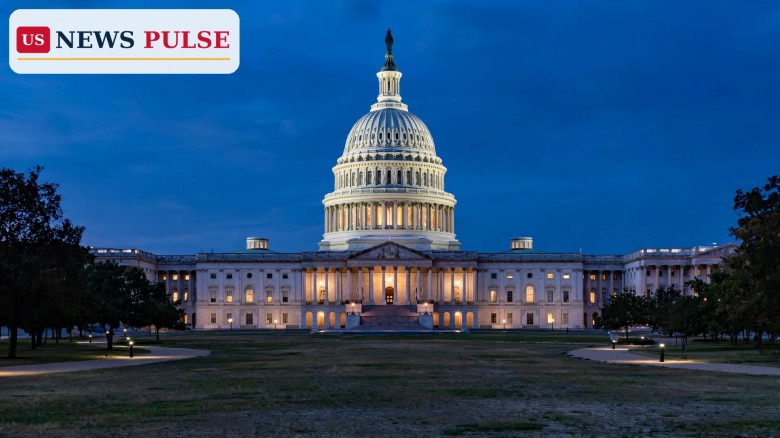
House Democrats are preparing a sweeping investigation into what they say was President Donald Trump’s politicisation and gutting of America’s spy agencies, the incoming House Intelligence Committee chairman has told Reuters.
Representative Jim Himes of Connecticut, who takes the committee’s gavel in January after Democrats swept the November 3 midterms, said the inquiry will examine retaliatory firings, pressure on analysts and the sharp cuts imposed on the intelligence community in Mr Trump’s second term. “There’s absolutely evidence that analysts are hesitant to write on topics that they think might be controversial,” Mr Himes said. “There’s absolutely evidence of a decline in morale in the analytic community because of the pressures that they are under.”
Key Points
- House Democrats will investigate President Trump’s politicisation and gutting of US spy agencies when they take control of key committees in January.
- Incoming House Intelligence Committee chairman Jim Himes told Reuters on Tuesday, November 10, 2026, that analysts have grown hesitant to write on controversial topics.
- Mr Himes said the inquiry will tell “the story of the patriots who were fired because they said something that was inconsistent with what the president wanted to be true”.
- The Trump administration fired or forced out hundreds of intelligence officers in the president’s second term, disrupting analysis on key issues including Iran.
- Tulsi Gabbard cut her intelligence agency’s staff by about 40 percent, while CIA Director John Ratcliffe pledged to cut more than 1,000 positions.
What Happened
Mr Himes laid out the planned investigation in an interview with Reuters on Tuesday, November 10, 2026, a week after Democrats won the House. He becomes chairman when the new Congress is seated in January, giving Democrats the power to call hearings, demand documents and compel testimony from intelligence officials for the first time since Mr Trump returned to office.
The central charge, as Mr Himes described it, is that the administration punished intelligence professionals whose work clashed with the president’s views. He said he had reviewed a mandated survey of the intelligence workforce showing officers began to “feel very real political pressure” in 2025, and that he is working to declassify other internal reporting on the firings so the committee can publish what it finds.
Background: A Workforce Cut and Reshaped
Ms Gabbard cut her agency’s staff by about 40 percent last year, shrinking the office that coordinates the country’s 18 intelligence agencies. At the Central Intelligence Agency, Mr Ratcliffe pledged to cut the workforce by more than 1,000 positions over several years. The administration fired or forced out hundreds of intelligence officers in Mr Trump’s second term, disrupting analysis on key issues including Iran, at a time when the United States has been at war with Iran since February 28, 2026.
The pressure was not only about numbers. At least two fired analysts were involved in an assessment contradicting White House policy on Venezuela, a case Democrats cite as evidence that dissenting analysis carried a career cost. The Republican-run Congress provided little scrutiny of the changes, leaving the intelligence community largely without an outside check on the cuts and firings.
Trump Spy Agencies Investigation: What the Committee Will Examine
The inquiry will have several strands. The first is the firings: who was removed, what they had written or said, and whether their departures followed analysis that contradicted administration policy. The second is the climate inside the agencies, where Mr Himes says analysts grew reluctant to put unwelcome findings in writing. The third is the effect on the work, including whether assessments on Iran and other sensitive subjects were delayed, softened or set aside.
The committee will also probe the administration’s relationships with defence and intelligence contractors, how contracts were awarded and whether political loyalty played a part, and US covert efforts overseas, overseen in classified session. The Intelligence Committee is the House’s main oversight body for the spy agencies, and its chairman controls the hearing schedule, document demands and declassification. Read more: US Intelligence Sharing Fractured in CIA-ODNI Turf War, Officials Report.
Reactions and Quotes
Mr Himes’s comments were the most detailed public account yet of the incoming majority’s oversight plans. On the firings, he was blunt about the committee’s purpose. “We’re going to tell the story of the patriots who were fired because they said something that was inconsistent with what the president wanted to be true,” he said. The administration has not responded publicly to his remarks.
The planned inquiry is one of several investigations Democrats have promised for January. The White House has warned that some could amount to improper pressure on executive branch officials, a warning Democrats have rejected. Read more: White House Warns Democrats Their Planned Probes Could Be ‘Blatant Criminality’.
Why It Matters
Intelligence only works if analysts believe they can tell the truth. When officers fear an unwelcome finding will cost them their jobs, the assessments reaching the president, Congress and military commanders can grow cautious, incomplete or simply wrong. Mr Himes’s survey evidence suggests that is what happened in 2025, and the committee will now test whether the pattern holds across the agencies.
It also matters because the cuts were so large. A 40 percent cut at the Director of National Intelligence’s office and more than 1,000 planned CIA cuts remove experience that takes years to replace. If the committee finds the reductions fell hardest on analysts who challenged administration policy, the case will be that the cuts were not only about efficiency but about control. Read more: Trump Says He Does Not Recall Rubio Memo Warning of Huang Spy Affair.
What Happens Next
The investigation cannot begin in earnest until January, when the new Congress is seated and Mr Himes takes the chairman’s gavel. Until then, Democrats are expected to prepare document requests and a hearing schedule, and Mr Himes is working to declassify internal reporting on the firings. Once the committee is in place, the first steps are likely to be letters demanding personnel records and the survey data, followed by hearings with current and former intelligence officials.
Frequently Asked Questions
Who is Jim Himes?
Jim Himes is a Democratic representative from Connecticut who becomes chairman of the House Intelligence Committee in January, after Democrats won the House in the November 3, 2026 midterms.
What will House Democrats investigate?
They will investigate the alleged politicisation and gutting of US spy agencies under President Trump: retaliatory firings, pressure on analysts, staff cuts, contractor deals and covert operations overseas.
How many intelligence officers were fired?
Hundreds of intelligence officers were fired or forced out in President Trump’s second term. Tulsi Gabbard cut her agency’s staff by about 40 percent, and CIA Director John Ratcliffe pledged to cut more than 1,000 positions.
What evidence does Himes cite?
Mr Himes cited a mandated intelligence-community survey showing the workforce began to “feel very real political pressure” in 2025, and said he is working to declassify other internal reporting on the firings.
When will the investigation begin?
The committee can begin in January, when the new Congress is seated and Mr Himes takes over as chairman.
© 2026 US News Pulse. All rights reserved.
 Print
 Save