
11 NSA Cyber Command Workers Died by Suicide in a Year, Bloomberg Finds
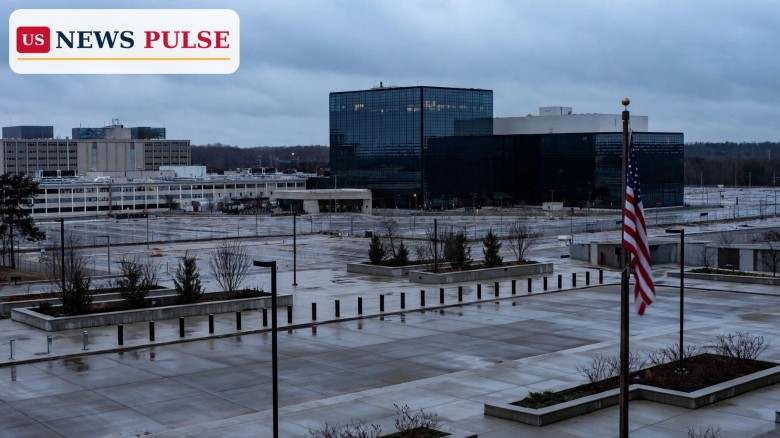
At least 11 people working for the National Security Agency and US Cyber Command died by suicide over a single year, according to a Bloomberg News investigation published on Tuesday, November 11, 2026 — a previously unreported toll that has drawn urgent questions from military commanders, Congress and the White House.
The NSA Cyber Command suicides cover the 12 months ending in September 2026, Bloomberg reported, citing US officials and public records. The dead include military personnel, civilian employees and contractors at the two linked organisations, based at Fort Meade, Maryland.
Key Points
- At least 11 NSA and US Cyber Command workers died by suicide in the 12 months ending in September 2026, Bloomberg News reported on November 11, 2026.
- Ten deaths occurred around Fort Meade, Maryland, home to both agencies, and one near an NSA facility in Georgia.
- Five deaths happened between early June and early July, a stretch military officials identified as a possible suicide cluster.
- Military commanders, congressional committees and White House officials have privately sought explanations from agency leadership.
- General Joshua Rudd, who took charge in March, had requested $11 million in April for cyber personnel’s mental health.
What Happened
Bloomberg pieced together the toll from US officials and public records. Until its publication, the deaths had not been reported as a group, and the scale of the loss inside two of the country’s most secretive agencies was not publicly known.
Ten of the 11 deaths occurred around Fort Meade, Maryland, where both agencies are based. The eleventh happened near an NSA facility in Georgia. The dead span the agencies’ whole workforce: uniformed personnel, civilian employees and contractors.
The pattern alarmed officials. Five deaths took place between early June and early July, a concentration military officials identified as a possible suicide cluster — a term for several deaths close together in time and place, raising fears one loss can influence others. The deaths continued into September, when a 21-year-old Army signals intelligence analyst and a 59-year-old NSA civilian employee also died.
The report landed as the agencies face intense strain. The NSA collects foreign signals intelligence, while Cyber Command runs military operations in cyberspace, both around the clock and stretched by years of high-tempo operations.
NSA Cyber Command Suicides: The Pressure Behind the Numbers
The NSA and Cyber Command are unusual corners of the US military and intelligence world. Much of their work is classified, employees cannot discuss their jobs with family and friends, and the missions rarely pause. Analysts and operators work long shifts in secure facilities, often overnight, watching foreign networks and defending American ones.
That secrecy carries a cost. Unlike troops in conventional units, cyber personnel often cannot share a stressful day with anyone outside a small circle of colleagues with the same clearances.
A Pentagon report recorded more than 23 suicides per 100,000 service members in 2024, nearly twice the US population rate. The Bloomberg findings suggest the toll in the small, specialised cyber workforce is similarly troubling, with each loss felt across tightly knit teams.
General Joshua Rudd, who took charge of both agencies in March, requested $11 million in April to address mental health challenges among cyber personnel, and military leaders mandated rest limits and expanded mental health access. That the deaths continued through the summer and into September is part of what has made the report so hard for officials to explain.
Reactions and Demands for Answers
The response from Washington has been swift, if largely behind closed doors. Military commanders, congressional committees and White House officials have privately sought explanations from agency leadership about what happened and what is being done to stop it, according to Bloomberg.
Representative Sarah Elfreth, a Democrat whose Maryland district includes Fort Meade, has signed letters urging action, pressing the agencies and the Pentagon to confront the toll and explain the support available to the workforce. Fort Meade is one of the region’s largest employers, and the deaths have hit a community where many families depend on the agencies.
Neither agency has publicly released a detailed account of the deaths. The secrecy around their missions also surrounds their personnel problems, which is why the Bloomberg report — built from officials and public records, not an official disclosure — has become the main public record of what happened. Read more: Pentagon Cannot Account for 17,000 F-35 Parts Worth $13 Billion, GAO Finds.
Why It Matters
The deaths matter first as a human tragedy: 11 people — soldiers, civilians and contractors — died in a single year inside two organisations meant to look after their own. Each death leaves behind colleagues who worked alongside the person in secure rooms they cannot describe, and families who may never fully know what their loved one was carrying.
They also matter for national security. The NSA and Cyber Command employ some of the most highly trained technical specialists in the US government, people who take years to recruit, clear and train. Losing them weakens the country’s ability to defend its networks and understand its adversaries.
Finally, the episode tests whether the military’s mental health system works for its most secretive workforce. Rest limits and expanded access are the standard responses, but the deaths continued after they were ordered. Congress will want to know whether the measures reached the people who needed them.
What Happens Next
Congressional scrutiny is the most likely next step. Committees overseeing the intelligence community and the armed services have already asked questions privately, and the public reporting gives lawmakers a basis to demand formal answers, including briefings from General Rudd and Pentagon health officials. Representative Elfreth’s letters suggest the pressure will continue.
The agencies face a harder question: how to change a working culture built on secrecy and relentless tempo. Further steps could include more time off between demanding assignments, deeper mental health staffing inside secure facilities, and clearer protections for employees who seek help. Whether any of that follows will become clear in the coming weeks. Read more: Trump Vows Total Victory Over Iran in Veterans Day Address at Arlington.
Anyone in the United States who is struggling can call or text 988, the Suicide and Crisis Lifeline, at any time, free of charge. Read more: Pentagon-Anthropic Talks Put Claude Military Limits to Friday Test.
Frequently Asked Questions
How many NSA and Cyber Command workers died by suicide?
At least 11 NSA and US Cyber Command workers died by suicide in the 12 months ending in September 2026, Bloomberg News reported on November 11, 2026.
Where did the deaths happen?
Ten occurred around Fort Meade, Maryland, home to both the NSA and US Cyber Command. One happened near an NSA facility in Georgia.
Who were the people who died?
The dead include military personnel, civilian employees and contractors. Among those identified are a 21-year-old Army signals intelligence analyst and a 59-year-old NSA civilian employee, both of whom died in September 2026.
What is being done about mental health in the cyber workforce?
General Joshua Rudd, who took charge in March, requested $11 million in April for cyber personnel’s mental health. Military leaders have also mandated rest limits and expanded mental health access.
© 2026 US News Pulse. All rights reserved.
 Print
 Save