
Twice-Deported United Flight 2174 Suspect Was Granted Asylum, DHS Reveals
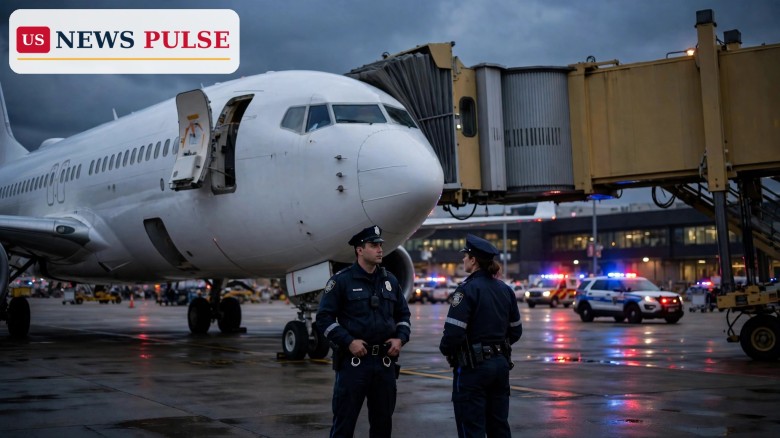
The Department of Homeland Security has confirmed that the man accused of trying to storm the cockpit of a United Airlines flight while claiming to have a bomb was granted asylum in the United States after telling an immigration judge he feared being killed in Honduras because he is transgender. Rony Alexander Gomez-Alberto, 34, a Honduran national, had already been deported twice before re-entering in 2019 and winning asylum, DHS said, releasing an excerpt of his application.
Key Points
- DHS confirmed Gomez-Alberto was granted asylum by an immigration judge after entering a third time in 2019, claiming he feared being killed in Honduras because he is transgender.
- In his application excerpt, he wrote: "I am also afraid that I will be killed — either by private citizens or the police — in both of these countries because I am transgender."
- He was deported twice — in September 2011 near El Indio, Texas, and in October 2014 near Columbus, New Mexico — and re-entered in 2019 through San Ysidro.
- He is accused of trying to enter the cockpit of United Flight 2174 on November 9, 2026, claiming to have a bomb, and is held without bond in Jefferson Parish.
- DHS Secretary Markwayne Mullin blamed a "weak asylum system", and ICE lodged a detainer on November 10.
What Happened
The disclosure came on Wednesday, November 11, 2026, two days after the scare aboard United Flight 2174, a Newark-to-New Orleans service carrying 46 passengers and six crew. Gomez-Alberto is accused of claiming there was a bomb on board and trying to force his way into the cockpit, prompting the pilots to issue a hijacking alert. The plane landed safely at Louis Armstrong New Orleans International Airport, and he was arrested by the Jefferson Parish Sheriff's Office.
DHS then confirmed the part of his history now at the centre of the story. According to the department, he entered a third time in 2019, was taken into custody, and was ordered released by an immigration judge in January 2020 while proceedings continued. He later won asylum. The department released an excerpt of his application, including the passage in which he said he feared being killed in Honduras because he is transgender. The New York Post first reported the grant, and the Daily Wire, citing law-enforcement sources, reported he told federal authorities he was HIV positive.
Background: Two Deportations and a Third Entry
His immigration history stretches back 15 years. He was first apprehended near El Indio, Texas, in September 2011 and deported, then again near Columbus, New Mexico, in October 2014 and deported a second time. DHS confirmed both removals on November 10, 2026.
He re-entered a third time in 2019, crossing at San Ysidro, California. An immigration judge ordered his release from ICE custody in January 2020 while proceedings continued, and later granted him asylum. The grant meant he could remain lawfully, despite the two earlier deportations, because the judge accepted he faced persecution if returned.
US asylum is granted to people who show a well-founded fear of persecution because of race, religion, nationality, membership of a particular social group or political opinion. Claims based on gender identity have been recognised in US asylum law.
Gomez-Alberto Asylum Grant: What DHS Disclosed
Releasing an excerpt of the application is unusual, and it is the detail driving the political reaction. In the passage DHS released, Gomez-Alberto wrote that he feared being killed, "either by private citizens or the police", in the countries he had lived in, "because I am transgender". DHS presented the passage as evidence of the claim on which his asylum rested.
The department did not release the full application, or say what other evidence the judge considered, or whether the government appealed. What it did make clear is its view. Secretary Markwayne Mullin said: "This twice-deported criminal illegal alien was allowed into our country because of a weak asylum system that allowed him to game the system."
Reactions: DHS Blames the System as the Case Fuels the Asylum Debate
The strongest reaction so far has come from DHS itself. Mullin's statement tied the asylum grant directly to the flight incident, arguing that a man deported twice should never have been allowed back. It is the latest use of an individual criminal case to argue for a broader crackdown on asylum.
United Airlines confirmed the disturbance in a statement after the incident but has not commented on the asylum disclosure. The Jefferson Parish Sheriff's Office has said he is being held without bond.
Why It Matters
The case sits at the intersection of two of the most contested issues in American politics: aviation security and the asylum system. A bomb threat on a passenger flight is serious on its own, and the suspect's history makes it a test case for both sides of the immigration argument.
For the administration, the grant is evidence the system is broken and can be exploited. For supporters of the process, asylum is granted by a judge after a hearing, on evidence, and a later crime does not retroactively prove the original claim was false.
What Happens Next
Gomez-Alberto remains in custody in Jefferson Parish, held without bond on charges including felony bomb threat and terroristic threats. His criminal case in Louisiana will move first.
ICE has lodged a detainer, asking local authorities not to release him without notifying the agency, so federal officers can take him into custody if he is freed. The disclosure is also likely to keep the case in the political spotlight as the administration presses for tighter asylum rules — a change that would need Congress.
Frequently Asked Questions
Who is Rony Alexander Gomez-Alberto?
He is a 34-year-old Honduran national accused of trying to storm the cockpit of United Flight 2174 on November 9, 2026, while claiming to have a bomb. DHS says he was deported twice, in 2011 and 2014, before re-entering in 2019 and being granted asylum.
What happened on United Flight 2174?
On Monday, November 9, 2026, he allegedly claimed there was a bomb on the Newark-to-New Orleans flight and tried to enter the cockpit. The pilots issued a hijacking alert, and the plane landed safely in New Orleans, where he was arrested.
How was he granted asylum after two deportations?
After re-entering in 2019, an immigration judge ordered his release from ICE custody in January 2020, and later granted asylum after he said he feared being killed in Honduras because he is transgender. A prior deportation does not bar a later asylum claim from being heard.
What did DHS release about the case?
DHS confirmed the grant and released an excerpt of his application, in which he wrote he feared being killed "either by private citizens or the police" because he is transgender. Secretary Mullin said a "weak asylum system" had allowed him to "game the system".
What charges does he face now?
He is held without bond in Jefferson Parish, Louisiana, on charges including felony bomb threat, terroristic threats, terrorizing and communicating false information about planned arson. ICE has also lodged a detainer.
Related coverage: Flight 2174 bomb-threat case; Trump told aides Miller went too far on deportations; Farm and construction leaders blast Miller promotion.
© 2026 US News Pulse. All rights reserved.
 Print
 Save