
Houthis Claim Attacks on Saudi Pipeline, Yanbu Oil Site and Aramco as Oil Jumps $3
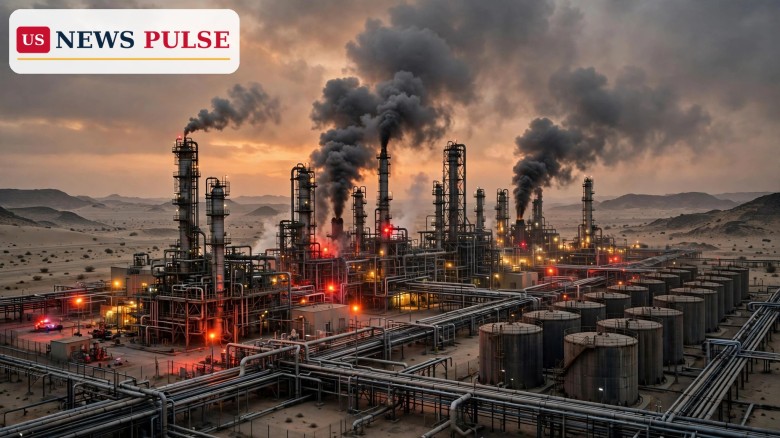
Yemen's Houthis said on Thursday, November 12, 2026, that they attacked three Saudi energy targets in a single day — a pumping station on the kingdom's East-West oil pipeline, an oil facility in the Red Sea port city of Yanbu, and a Saudi Aramco building in Riyadh. The claims, which Saudi Arabia did not immediately confirm, sent oil prices jumping, with Brent crude settling more than $3 a barrel higher. The Saudi-led coalition said it intercepted two Houthi drones, but gave no immediate confirmation of damage from the claimed strikes.
Key Points
- Yemen's Iran-aligned Houthis said on Thursday, November 12, 2026, that they attacked a pumping station on Saudi Arabia's East-West oil pipeline, an oil facility in Yanbu and a Saudi Aramco building in Riyadh.
- The Saudi-led coalition said it destroyed two Houthi drones, one in the Riyadh region and one in the Eastern Province, with no immediate confirmation of damage.
- Brent crude settled at $95.82 a barrel, up $3.06 or 3.3 percent, and US West Texas Intermediate closed at $88.74, up $2.21 or 2.6 percent.
- Both benchmarks were still down about 2.5 percent for the week, despite the single-day jump, as traders weighed the attacks against ample supply.
- The escalation came the same day Iran said four oil tankers had been hit by explosions in the Strait of Hormuz.
What Happened
The Houthis announced the three claimed attacks on Thursday, saying their forces had struck a pumping station on the East-West pipeline, which carries Saudi crude from the Gulf coast to the Red Sea, an oil facility in Yanbu, the Red Sea port at the pipeline's western end, and a Saudi Aramco building in Riyadh. The Iran-aligned group has stepped up attacks since the 2022 truce broke down in July 2026.
The Saudi-led coalition gave its own account of the day's fighting, saying its air defences had intercepted and destroyed two Houthi drones, one in the Riyadh region and another in the Eastern Province, home to most of the kingdom's oil fields. The coalition did not say whether any of the three claimed targets had been damaged, and the claims could not be independently verified. The same day, Iran said four oil tankers had been hit by explosions in the Strait of Hormuz.
Background and Context
The Houthi campaign against Saudi Arabia has intensified through the autumn. On November 7, the coalition said it shot down a Houthi cruise missile and a drone aimed at the Riyadh region. The following day, the Houthis claimed six missile and drone operations against Saudi Arabia, including King Khalid International Airport in Riyadh and Aramco facilities, and debris from intercepted missiles damaged an Aramco building in the capital.
On Monday, November 9, the East-West pipeline itself was attacked in the Madinah region, which Saudi Arabia said caused only a limited fire. Then on Wednesday, November 11, the coalition said it destroyed three cruise missiles headed for the Riyadh region, two drones aimed at Mecca and southern areas, and two more missiles pointed west.
Houthi Saudi Oil Attacks: Why the Market Moved
Oil traders reacted fast because the targets sit at the heart of the world's largest oil-exporting system. The East-West pipeline, also known as Petroline, runs about 1,200 kilometres from the Gulf coast to Yanbu on the Red Sea, carrying roughly 4 million barrels a day. It lets Saudi crude bypass the Strait of Hormuz, which normally carries about a fifth of the world's oil. Hitting the pipeline, Yanbu and the capital in one day suggests the Houthis can reach the bypass route as well as the strait.
The market move was sharp but measured. Brent crude settled at $95.82 a barrel, up $3.06, or 3.3 percent, and US West Texas Intermediate closed at $88.74, up $2.21, or 2.6 percent. Even so, both were still down about 2.5 percent for the week, and OPEC+ data showed crude output rose in October on higher Saudi production.
Reactions and Statements
The Houthis presented the three claimed attacks as a single coordinated operation against Saudi energy infrastructure, which they say are retaliation for Saudi airstrikes on Yemen. Their claims are routinely unverified, and Riyadh often disputes them.
The coalition said only that its defences had destroyed two drones, one near Riyadh and one in the Eastern Province. Neither Saudi authorities nor Aramco immediately confirmed any damage.
Why It Matters
Three targets in one day would mark a widening of the campaign toward direct claims on the infrastructure that moves Saudi oil. The pipeline is Saudi Arabia's insurance against a Hormuz closure, so hitting it carries more weight than hitting a single city.
They came the same day as the four-tanker explosions in Hormuz, so both Gulf oil routes were under attack within 24 hours. That is the scenario energy markets fear most, even when the damage is limited.
What Happens Next
The first question is verification: whether Saudi Arabia confirms any damage at the pipeline pumping station, the Yanbu facility or the Aramco building, or whether the claims join the long list of Houthi announcements that produced no confirmed damage.
Riyadh has answered recent attacks with airstrikes on Yemen, and more retaliation is likely if the claims are confirmed. Traders will watch whether attacks continue next week and whether insurers raise Gulf premiums; if the campaign pauses, prices should drift back.
Frequently Asked Questions
What did the Houthis claim to have attacked on Thursday?
A pumping station on Saudi Arabia's East-West oil pipeline, an oil facility in Yanbu, and a Saudi Aramco building in Riyadh on Thursday, November 12, 2026.
Did Saudi Arabia confirm the attacks?
No. The coalition said it destroyed two Houthi drones, one in the Riyadh region and one in the Eastern Province, but confirmed no damage from the claimed strikes.
How did oil prices react?
Brent settled at $95.82, up $3.06 or 3.3 percent, and WTI closed at $88.74, up $2.21 or 2.6 percent, though both were still down about 2.5 percent for the week.
Why does the East-West pipeline matter?
The roughly 1,200-kilometre pipeline carries about 4 million barrels of Saudi crude a day from the Gulf coast to Yanbu, letting exports bypass the Strait of Hormuz.
Is this part of a wider war?
Yes. The attacks come in the ninth month of the US-Iran war, which began February 28, 2026, the same day Iran said four tankers were hit in the Strait of Hormuz.
Read more: Saudi East-West Pipeline Attack in Madinah Region: Fire Out, Oil Flows Unaffected | Saudi Arabia Intercepts Houthi Missiles Aimed at Riyadh, Mecca on Second Day | Four Tankers Hit by Explosions in Strait of Hormuz as Iran Says Two More Strike Mines
© 2026 US News Pulse. All rights reserved.
 Print
 Save