
US Shoots Down Two Iranian Drones Headed for Bahrain as CENTCOM Rejects Radar Claim
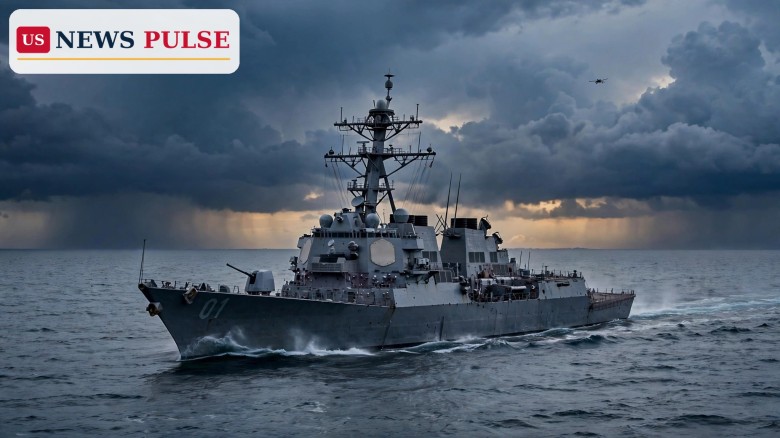
United States forces shot down two Iranian drones headed for Bahrain on Friday, November 13, 2026, US Central Command said, rejecting Tehran's claim that it had destroyed an American radar system in the Gulf kingdom. The interception caused no injuries and no damage, but it marked Iran's first attempt to strike an American military facility in a Gulf state in more than two months. The clash came a day after President Donald Trump said on social media that Washington does not need a deal with Iran.
Key Points
- US Central Command said American forces shot down two Iranian one-way attack drones launched toward Bahrain on Friday, November 13, 2026, with no injuries or damage reported.
- CENTCOM said Iran's claim that its forces had destroyed a US early-warning radar system in Bahrain was false.
- Iran's Revolutionary Guard said it targeted the radar in retaliation for what it called an "enemy" attack on a communications tower in the southern Iranian port of Sirik.
- The incident is Iran's first attempt to strike a US military facility in a Gulf state in more than two months, according to CNN.
- It came a day after President Donald Trump wrote "We don't need a deal with Iran" and told Vice President JD Vance to shift his focus from the Iran talks to crime in Democratic-run cities.
What Happened
US Central Command said later on Friday that American forces had shot down two drones launched by Iran toward Bahrain. The drones, one-way attack aircraft sent by Iran's Islamic Revolutionary Guard Corps, were intercepted before they could reach the island kingdom, which hosts the headquarters of the US Navy's Fifth Fleet in Manama. CENTCOM reported no injuries or damage, and said the Iranian radar claim was false.
Hours earlier, the Revolutionary Guard had said through the semi-official Tasnim news agency that its aerospace forces had "targeted and destroyed" a US early-warning radar in Bahrain. The Guard said the strike was retaliation for what it called an "enemy" aerial attack on a communications tower in the southern Iranian port of Sirik, and described it as "a serious warning" to Washington. Tehran offered no evidence, and no independent confirmation followed.
The two accounts could hardly be further apart: Iran described a successful strike on a high-value American sensor, while the United States described a failed drone attack and a false boast. Iran's army also claimed separately that it had shot down an American MQ-1 drone near Sirik, a claim covered in a separate report on this site.
Background: Nine Months of War in the Gulf
The United States and Iran have been at war since February 28, 2026, now in its ninth month. Washington has imposed a naval blockade on Iranian ports, while Tehran has answered with attacks on shipping in the Strait of Hormuz, the narrow waterway carrying a large share of the world's oil. Shipping attacks there hit a record 37 in October, according to Lloyd's List, with at least 14 more in November.
Tehran had largely refrained from direct attacks on American military facilities in Gulf states since early September, focusing instead on disrupting shipping. The lull broke this week: the United States struck targets on Iran's Qeshm Island, and on Monday President Trump said a deal was "coming together very nicely". By Thursday his tone had changed. On Truth Social he wrote that the United States does not need a deal with Iran, and ordered Vice President JD Vance to turn his focus to corruption and crime in Democratic-run cities and states.
US Shoots Down Iranian Drones Headed for Bahrain: What CENTCOM Said
The American denial was blunt: the radar claim was false, and the drones never reached their target. Bahrain matters because it is home to the US Navy's Fifth Fleet, the command for American naval operations across the Middle East, and an early-warning radar there is part of the shield watching for missile and drone attacks from across the Gulf.
By announcing the interception the same day, CENTCOM reassured Gulf allies that American defences around Bahrain work, and undercut Tehran's attempt to present the day as an Iranian success. Within hours, Iran went from announcing a destroyed American radar to having two of its own drones shot down.
Reactions and Quotes
Iran's Revolutionary Guard framed its claimed strike as payback, saying its aerospace forces had "targeted and destroyed" the American radar in retaliation for the attack on the communications tower in Sirik, and calling it "a serious warning" to Washington.
President Trump's message the day before set the political tone. "We don't need a deal with Iran," he wrote on Truth Social, before directing Vice President Vance to leave the Iran file and focus on crime in Democratic-run cities and states instead.
The incident also landed as Israeli Prime Minister Benjamin Netanyahu presses the Trump administration to return to war with Iran; Israeli spy chief Roman Gofman was in Washington on Friday, expected to meet CIA Director John Ratcliffe. Gulf allies, by contrast, have urged restraint.
Why It Matters
The shootdown is the first time in more than two months that Iran has tried to hit an American military facility in a Gulf state, breaking a period in which Tehran confined its campaign to shipping in the Strait of Hormuz. That shift raises the stakes for every Gulf capital hosting American forces, above all Bahrain, and tests whether the defences around the Fifth Fleet can hold if the attacks continue.
It also comes at a fork in American policy: back to the negotiating table, where Qatari mediators are still working, or back to war, which Netanyahu is pressing for and which Trump has threatened to resume "without hesitation" if Iran threatens American allies or vessels. Friday's exchange shows how quickly one drone launch can push the choice toward war.
What Happens Next
The immediate question is whether Iran tries again. A second attempt on Bahrain or another Gulf host would show Tehran is willing to keep testing American defences, while a pause would suggest the shootdown and the public denial had their intended effect. Mediators in Doha are still working, and neither side has formally closed the door on talks, but with Vance pulled off the file it is unclear who in Washington now leads the diplomatic effort.
Frequently Asked Questions
Did Iran destroy a US radar in Bahrain?
No. CENTCOM said the claim was false, and no independent evidence supports it.
Was anyone hurt in the incident?
No. CENTCOM reported no injuries and no damage from the drone attack.
Why is Bahrain important to the US military?
Bahrain hosts the US Navy's Fifth Fleet headquarters in Manama.
Is this the first Iranian attack of its kind in months?
Yes. According to CNN, it is Iran's first attempt to strike a US military facility in a Gulf state in more than two months.
Does this mean the Iran talks are over?
Not formally. Mediators are still working, but Trump has said the US does not need a deal and moved Vance off the Iran file.
© 2026 US News Pulse. All rights reserved.
 Print
 Save