
Supreme Court to Decide Fate of Trump's Asylum Ban at US-Mexico Border
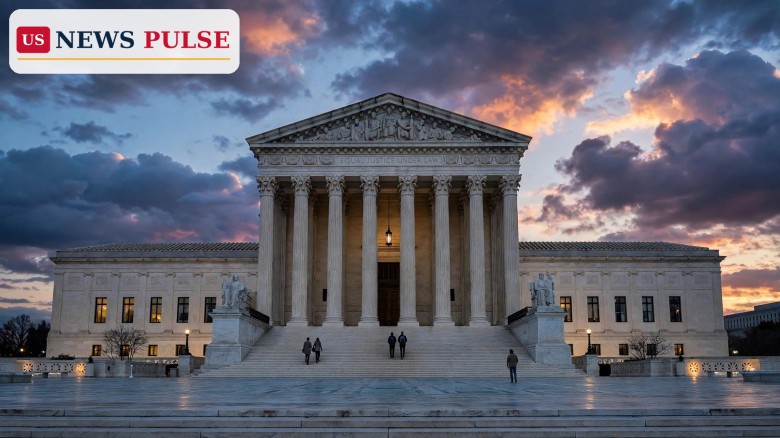
The Supreme Court agreed on Friday to decide whether President Donald Trump's ban on asylum for migrants who cross the US-Mexico border illegally can stand, taking up the court's most consequential immigration case. The justices will hear arguments in the coming months and rule by the end of June, settling whether a president can use emergency powers to shut off asylum for an entire class of migrants.
Two lower courts ruled against the administration: a federal judge held last year that Trump lacked the "sweeping authority" he asserted, and an appeals court agreed in April that the president cannot enact a categorical ban on asylum requests.
Key Points
- The Supreme Court agreed Friday, November 13, 2026, to review President Donald Trump's asylum ban at the US-Mexico border.
- The policy, issued hours into Trump's second term on January 20, 2025, bars migrants who cross the border illegally from applying for asylum.
- Lower courts ruled Trump exceeded his authority: a federal judge said he lacked "sweeping authority", and an appeals court said a categorical ban "cannot be squared with the statute".
- The government says the ban cut border apprehensions by 93 percent; challengers say crossings had already fallen more than 90 percent from their peak.
- A decision is expected by the end of June, alongside rulings on detention without bond hearings and third-country deportations.
What Happened
The court announced on Friday that it would review the administration's appeal, brought by thirteen individuals and three immigrant rights groups who argue Trump is eviscerating protections Congress created for people fleeing persecution or torture.
The policy was issued on January 20, 2025, hours into Trump's second term, in a proclamation declaring that border crossings amounted to an "invasion" and seeking to stop many arriving immigrants from applying for asylum. The administration has defended it as the "most important and effective" piece of its border-security efforts, and Solicitor General D. John Sauer has called the asylum measures a "cornerstone" policy.
An appeals court upheld that ruling in April 2026, finding the policy violated the Immigration and Nationality Act, but stayed its decision, letting the administration keep enforcing the ban while it appealed. Writing for the appeals court, Judge Michelle Childs said that barring people physically present in the United States from applying for asylum "cannot be squared with the statute".
Background and Context
Asylum is one of the oldest protections in American immigration law: federal law lets anyone in the country, or at an official port of entry, apply for asylum if they face persecution or torture at home. Congress created that right decades ago, and it survived every administration until Trump moved to switch it off for migrants who cross illegally.
The January 2025 proclamation suspended entry for migrants "engaged in the invasion across the southern border" and restricted asylum until the president finds the invasion has ceased. The government says apprehensions fell 93 percent under the policy; challengers say crossings had already fallen more than 90 percent from their peak. The case lands before a 6-3 conservative court that has been largely deferential to Trump on immigration in his second term.
Supreme Court Asylum Ban Case: What the Justices Will Decide
At the heart of the case is one legal question: does the Immigration and Nationality Act let a president suspend asylum for an entire category of migrants, or did Congress reserve that decision for itself?
The Justice Department argues presidents have inherent authority to secure the border and protect national security. The challengers argue the opposite: Congress wrote the asylum right into law in plain terms — anyone physically present in the United States may apply — and a president cannot erase it by proclamation. The appeals court agreed, holding that the statute does not permit a categorical ban, even when the president invokes national security.
The ruling will shape presidential emergency powers. If the court upholds the ban, future presidents will have a tested template for suspending asylum by declaration. If it strikes the ban down, the administration must process asylum claims from migrants who cross illegally, as the law has long required.
Reactions and Quotes
The administration has made no secret of how central it considers the policy: the Justice Department has called it the "most important and effective" piece of the president's border-security efforts, and Sauer described the asylum measures as a "cornerstone" policy. The lower courts were equally direct: the federal judge who first ruled against the ban said Trump lacked the "sweeping authority" he asserted, and Judge Childs said a categorical ban "cannot be squared with the statute".
Immigrant rights groups and the migrants who sued argue Trump is eviscerating protections Congress created for people fleeing persecution or torture. The court has already backed the administration on border enforcement this term, clearing a border wall through a national park in Texas.
Why It Matters
The ruling will decide the fate of asylum at the southern border for years to come. If the ban stands, the United States will have, for the first time, a presidential power to switch off asylum for illegal crossers — a group that has historically included many of the people most in need of protection, from families fleeing gang violence to dissidents escaping repressive governments.
It also matters for the broader immigration docket: the court will decide this term whether the administration can detain millions of immigrants without a bond hearing, and whether it can deport immigrants to third countries without letting them argue they could be persecuted or tortured there. While the case is pending, the ban stays in effect.
What Happens Next
Both sides will file briefs over the coming months, and the court will set oral arguments, most likely early next year. A decision is expected by the end of June. If the court upholds the ban, it becomes a permanent feature of American border policy. If it strikes the ban down, the government will have to resume processing asylum claims from migrants who cross illegally — and Congress may face renewed pressure to write new rules for the border.
Watch, too, for the related immigration cases on the court's docket. The asylum system itself is already under strain, and the rulings on detention and third-country deportations will land alongside the asylum decision.
Frequently Asked Questions
What did the Supreme Court decide on Friday?
The court agreed to review the ban — it has not ruled on its legality. A decision is expected by the end of June.
What is Trump's asylum ban?
A January 20, 2025 proclamation, issued hours into Trump's second term, declaring border crossings an "invasion" and barring migrants who cross the US-Mexico border illegally from seeking asylum.
Why did lower courts block the ban?
A federal judge said Trump lacked the "sweeping authority" he asserted, and an appeals court held the ban violated the Immigration and Nationality Act.
How much did border crossings fall?
The government says apprehensions fell 93 percent under the ban; challengers say crossings had already fallen more than 90 percent from their peak.
When will the Supreme Court rule?
Arguments are expected early next year, with a decision by the end of June; the ban stays in effect meanwhile.
© 2026 US News Pulse. All rights reserved.
 Print
 Save