
Hassan Probes $495 Million CoreCivic ICE Facility Purchase in Minnesota
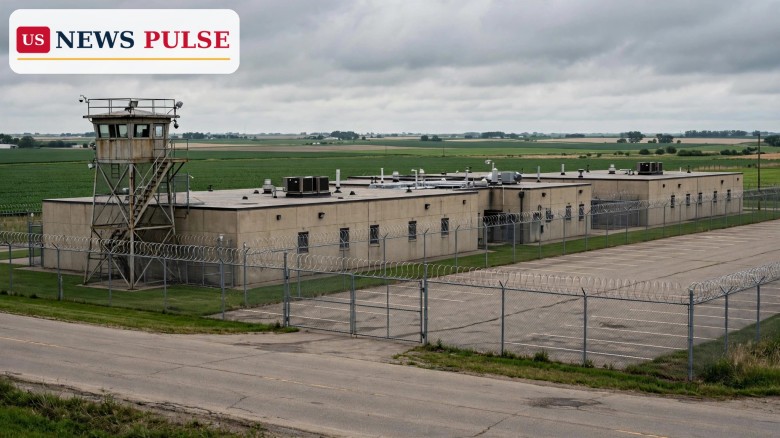
Senator Maggie Hassan has opened an investigation into the Trump administration's purchase of a Minnesota immigration detention facility from private prison operator CoreCivic, questioning why the Department of Homeland Security paid $495 million for a site the state of Minnesota declined to buy for $75 million. The CoreCivic ICE facility purchase, made in 2025, is now under scrutiny from the senator set to chair the Senate's homeland security panel when Democrats take control of Congress in January.
Hassan's office sent letters dated November 11, made public Friday, November 13, 2026, to CoreCivic and the Department of Homeland Security, calling on both to preserve their records. The probe spotlights the price gap at the heart of the deal and the growing business between the federal government and private detention companies.
Key Points
- Senator Maggie Hassan (D-N.H.) is investigating the Trump administration's $495 million purchase of the Prairie Correctional Facility in Appleton, Minnesota, from CoreCivic.
- Minnesota declined to buy the same facility for $75 million shortly before DHS paid $495 million for it in 2025.
- Hassan sent letters dated November 11, made public Friday, November 13, to CoreCivic and DHS calling on both to preserve their records.
- The Appleton facility holds up to 1,600 detainees, and CoreCivic is one of the largest US prison operators, with 69 correctional and reentry facilities nationwide.
- CoreCivic shares fell about 2.5% in New York trading Friday morning, though they are up about 64% this year, and revenue rose 28%.
What Happened
The investigation was made public on Friday, November 13, 2026, when Hassan's office released letters to CoreCivic and to the Department of Homeland Security dated November 11. The letters call on both to preserve their records relating to the sale, the standard first step when a congressional committee is preparing to examine a deal in detail.
At the centre of the probe is a striking price gap. "In 2025, DHS reportedly purchased the Prairie Correctional Facility from CoreCivic, a major immigration detention contractor, for $495 million — shortly after Minnesota declined to purchase the same facility for $75 million," Hassan's office said on Friday. That is more than six times the price the state was offered.
The Appleton facility holds up to 1,600 detainees and is one of the sites the administration has used as it expanded immigration enforcement. Representatives from CoreCivic and DHS could not immediately be reached for comment, Reuters reported.
Background: A New Chair, a New Oversight Agenda
Hassan is the top Democrat seeking to lead the Senate Homeland Security and Governmental Affairs Committee when Democrats take control of Congress in January, after winning the November 3, 2026 midterms. The committee oversees the Department of Homeland Security, covering immigration enforcement, border security, cybersecurity and disaster response.
The probe is part of a wider Democratic oversight push that began even before the new majority takes its seats. Earlier this week, Hassan told former DHS adviser Corey Lewandowski to preserve his records as the Justice Department examines department contracting in the first year of Trump's second term. US News Pulse reported on Hassan's preservation demand to Lewandowski and on the 185,000 administrative subpoenas DHS has sent since Trump took office.
CoreCivic, based in Brentwood, Tennessee, is one of the largest US prison operators, with 69 facilities nationwide; its main rival is the GEO Group. Prison operators' shares initially fell after the Democratic midterm sweep, seen as a backlash to the immigration crackdown, before recovering.
CoreCivic ICE Facility Purchase: The $495 Million Question
The central question Hassan is asking is simple: why did the federal government pay $495 million for a facility the state had just passed on at $75 million? The letters do not accuse anyone of wrongdoing. They demand the records — the negotiations, the valuations and the approvals — so the committee can judge whether the price was justified.
The deal is part of a larger pattern. CoreCivic reported third-quarter results days after the midterms, saying revenue rose 28% year over year, beating expectations, driven by increased ICE demand and by the sale of four detention facilities to the federal government for $2.21 billion in total. Appleton was one of those deals.
The company's president, Lucibeth Mayberry, told investors that ICE had begun to increase its enforcement activity and already had funding to continue to do so. On the purchase of new detention centres, she said: "We would urge the ICE administration to move quickly." That urgency, and the money flowing to private operators, is exactly what Hassan's probe is designed to examine.
Reactions and Quotes
Hassan's office framed the probe around the price. Its statement on Friday laid out the two numbers side by side: $495 million paid by DHS in 2025, and $75 million at which Minnesota had declined the same facility shortly before. The preservation letters to CoreCivic and DHS are the opening move, not a conclusion.
CoreCivic and DHS did not respond to requests for comment. The market reacted quickly: CoreCivic shares, up about 64% this year, were down about 2.5% in New York trading midmorning Friday. The company has not said whether it will cooperate with the records request.
Why It Matters
The $420 million gap is the heart of the story. If the federal government overpaid, taxpayers bore the cost — and Appleton may not be the only case. CoreCivic sold four detention facilities to the federal government for $2.21 billion in total, and Hassan's committee can ask the same question about each of them.
The probe also tests how the new Democratic Congress will use its oversight powers. From January, Hassan will hold the committee gavel, with power to compel testimony and documents. The preservation letters are meant to make sure the evidence is still there when that power arrives.
What Happens Next
Hassan takes the committee chair in January. The committee is then expected to press CoreCivic and DHS for the records behind the Appleton purchase, and can issue subpoenas if either side does not cooperate.
Watch for responses from CoreCivic and DHS in the coming days, and for whether the probe widens to the other detention facilities sold to the federal government. The Justice Department's separate examination of DHS contracting continues alongside the congressional inquiry.
Frequently Asked Questions
What is the Prairie Correctional Facility?
A detention facility in Appleton, Minnesota, that holds up to 1,600 detainees. DHS bought it from CoreCivic in 2025 for use in immigration enforcement.
Why is the $495 million price in question?
Minnesota declined to buy the same facility for $75 million shortly before DHS paid $495 million for it, a gap of more than six times that Senator Hassan wants explained.
Who is Senator Maggie Hassan?
A New Hampshire Democrat seeking to lead the Senate Homeland Security and Governmental Affairs Committee when Democrats take control of Congress in January 2027.
What has CoreCivic said?
CoreCivic could not immediately be reached for comment. Its president recently told investors ICE enforcement activity is increasing and urged the agency to move quickly on buying new detention centres.
What happens next?
Hassan chairs the committee from January and can seek the records under subpoena if needed. The committee may also examine the other detention facilities CoreCivic sold to the federal government.
© 2026 US News Pulse. All rights reserved.
 Print
 Save