
Trump May Hold Off Iran Attacks If Tehran and Houthis Stay Quiet, Reuters Reports
President Donald Trump has told senior advisers he may hold off on attacking Iran if Tehran and the Iran-backed Houthis in Yemen launch no new provocations, Reuters reported on Saturday, November 14, 2026. Citing three people familiar with the matter, the report says Trump has swung between threats to escalate the war and signals that he wants to wind it down, and that, according to current and former officials, he has not made up his mind. The account comes days after Trump publicly declared the war "effectively over."
Key Points
- Trump told senior advisers he may hold off on attacking Iran if the United States faces no new provocations from Tehran or the Houthis in Yemen, three people familiar with the matter told Reuters.
- In calls over the past two weeks, Trump sought the views of Saudi Crown Prince Mohammed bin Salman and Turkish President Tayyip Erdogan — and both urged him not to resume the attacks.
- Trump told bin Salman on October 31 that he planned to attack after the elections, but the crown prince pleaded with him to hold off, arguing sanctions against Iran were working.
- US intelligence agencies assess the naval blockade and sanctions are hurting Iran's economy and will keep pressuring Tehran.
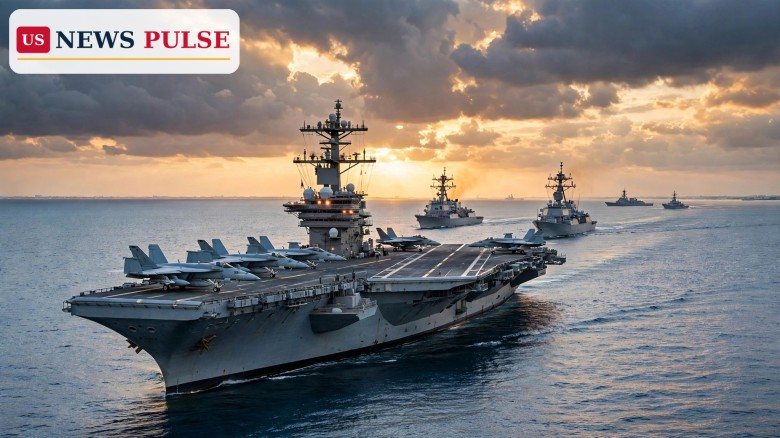
- A third US aircraft carrier is moving into the Middle East to replace one of the two carriers there, though all three could stay.
What Happened
Reuters published the account on Saturday, November 14, 2026, drawing on three people familiar with Trump's private discussions. The conditional pause is not a decision to end the war: the sources stressed Trump has alternated between threats of escalating it and of winding it down, and current and former officials said he has not made up his mind.
The report also details the quiet diplomacy around the decision. In calls over the past two weeks, Trump asked bin Salman and Erdogan for their opinions, and both urged him not to resume attacks. Trump told bin Salman on October 31 that he planned to attack after the elections; the crown prince pleaded for him to hold off, arguing sanctions were working. Trump has spoken with Erdogan three times since October 28, according to Turkey's presidency. A third aircraft carrier is moving into the Middle East to replace one of the two operating there, Reuters reported, but all three could stay if needed. The war, launched in February 2026 alongside Israel, is now in its ninth month.
Background and Context
The Reuters account follows a week of mixed public signals. On November 12, Trump said Gulf allies had asked him to pause the strikes and boasted of a three-day blitz, and he has called the war "effectively over" — covered in our earlier report, Trump Says Gulf Allies Asked Him to Pause Iran Strikes, Boasts of Three-Day Blitz.
Diplomacy has run on several tracks. Vice President JD Vance said on November 2 that Washington had made "progress" in talks with Iran and set "no strict deadline" for a deal, while demanding a firm, verifiable commitment that Iran will not rebuild its nuclear programme — as reported in Vance Says US-Iran Talks Are Making Progress, With No Deadline for a Deal. US envoys Steve Witkoff and Jared Kushner held talks in Abu Dhabi on November 10-11. The fighting has included secret US strikes on Iran's Qeshm Island near the Strait of Hormuz — see US Strikes Iran's Qeshm Island in Secret Raids Near Hormuz, WSJ Reports — alongside the blockade and sanctions Washington says are squeezing Tehran.
Trump May Hold Off Iran Attacks: Inside the Private Deliberations
What makes the Reuters report significant is what it reveals about how the decision is being made. Rather than a single settled strategy, it describes a president testing his options in real time: threatening escalation one day, talking about winding the war down the next, and asking the two regional leaders with the most at stake — bin Salman and Erdogan — what they think. Both told him the same thing: do not resume the attacks.
US intelligence agencies assess the blockade and sanctions are hurting Iran's economy and will keep pressuring Tehran, giving Trump a case for patience that does not depend on trusting Iran. But the pause is conditional, not permanent. If Tehran or the Houthis launch a new provocation, the restraint would fall away — and with a third carrier on its way, the means to resume strikes will be in place.
Reactions and Quotes
Trump hinted at the pause in public on Thursday, telling sports broadcaster Stephen A. Smith: "I could end it immediately, but at the request of the nations that I am looking to protect, we are doing it a little bit longer way, a bit more civilly." The remark, made two days before the Reuters report, now reads as the public version of the private message he gave his advisers.
The regional leaders Trump consulted have not publicly commented on their private advice, but their positions are well known: Saudi Arabia and Turkey have both pressed Washington against a wider war. Vance has struck a similar note of cautious optimism, saying on November 2 that he and Trump "both feel pretty good about the prospects for potentially coming to a negotiated settlement." No new public comment from Tehran was reported alongside the Reuters account.
Why It Matters
The report matters because the war's next phase is genuinely undecided at the top. A president who has publicly declared the conflict "effectively over" is privately telling advisers he may still resume attacks, and privately telling regional leaders he is listening to their pleas for restraint. For the Gulf states facing Iranian retaliation, for shipping in the Strait of Hormuz, and for Iranians living under sanctions, the difference between a pause and a resumption is the difference between a war winding down and a war reigniting.
What Happens Next
Everything now turns on whether Tehran and the Houthis stay quiet. If there is no new provocation, the pause could hold, giving the Abu Dhabi talks room to produce a deal. If there is a new attack — a missile launch, a drone strike, a move in the Strait of Hormuz — the restraint would fall away, and the third carrier arriving in the region would be in position to act.
Frequently Asked Questions
Is the war with Iran over? Not formally. Trump has publicly called it "effectively over," but Reuters says he has privately told advisers he may still resume attacks.
What would trigger new US attacks? A new provocation from Tehran or the Iran-backed Houthis in Yemen, according to the three sources who spoke to Reuters.
What did bin Salman and Erdogan tell Trump? Both urged him not to resume attacks in calls over the past two weeks; bin Salman argued sanctions against Iran were working.
Why is a third US carrier heading to the Middle East? To replace one of the two carriers currently operating there, Reuters reported — though all three could remain if needed.
© 2026 US News Pulse. All rights reserved.
 Print
 Save